Core Principles Of Ultrasonic Atomization
Ultrasonic atomization is a process that uses high-frequency sound waves to break down a liquid into very fine droplets. Think of it like a tiny, high-speed vibration that shatters a liquid surface. This happens because the ultrasonic transducer, the heart of the system, vibrates at a frequency typically between 1 and 3 megahertz (MHz). When this vibration is transmitted to a liquid surface, it creates ripples and then tiny bubbles. These bubbles grow and collapse rapidly, a process called cavitation. The energy released during this collapse is what actually breaks the liquid into a mist.
- High-frequency vibrations are key to the process.
- Cavitation is the mechanism that drives droplet formation.
- The resulting droplets are much smaller than those produced by other methods, often in the micrometer range.
This method is different from mechanical spray nozzles that rely on pressure or impact. It’s a gentler, more controlled way to create a fine spray, which is why it’s useful in so many different areas.
The Role Of The Transducer In Mist Generation
The transducer is the component that actually makes the mist. It’s essentially an energy converter. Electrical energy is supplied to the transducer, and it converts this into mechanical vibrations. These vibrations are then passed to the liquid. Without the transducer, there would be no ultrasonic waves, and therefore, no atomization. It’s the engine that powers the entire mist-making process. The design and material of the transducer directly influence how efficiently this conversion happens and, consequently, the quality and quantity of the mist produced.
Key Components Of An Ultrasonic Atomizer Transducer
An ultrasonic atomizer transducer is usually made up of a few main parts working together:
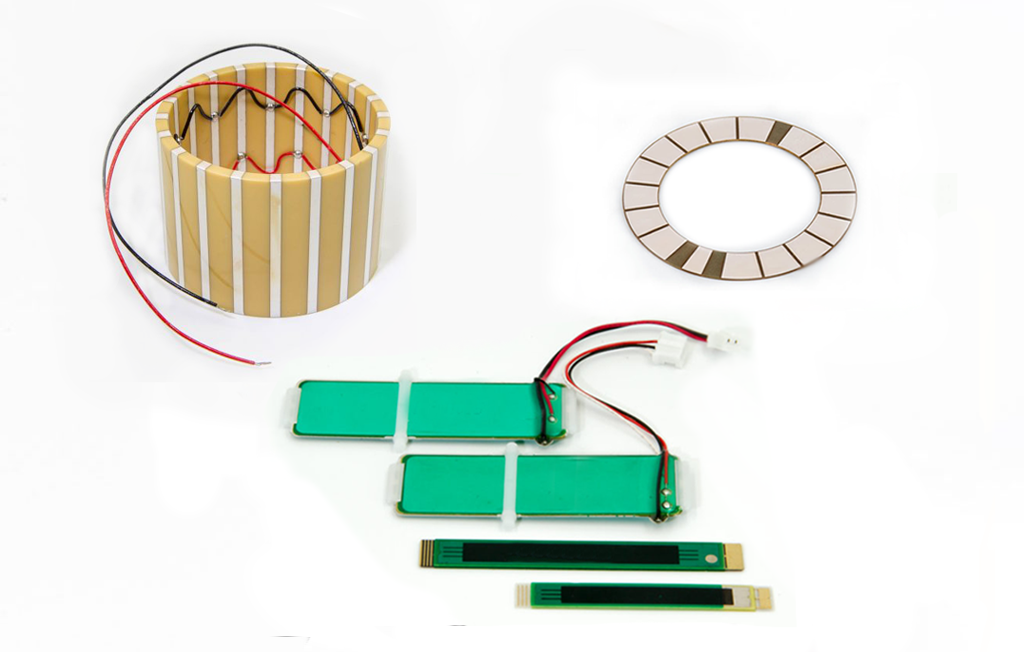
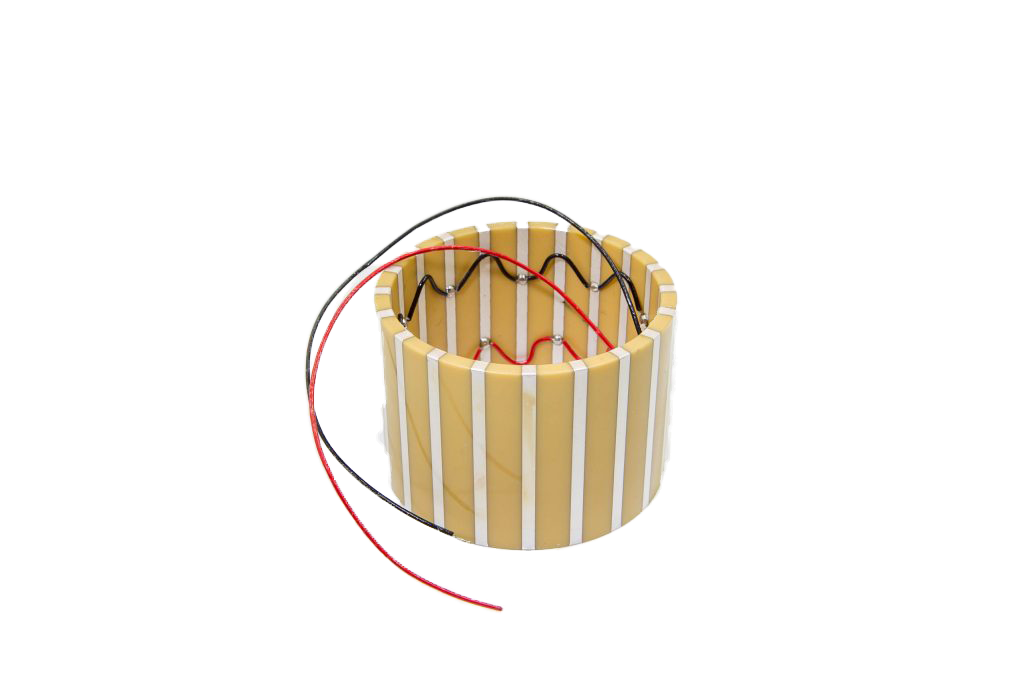
- Piezoelectric Element: This is the core material that vibrates when an electric voltage is applied. Common materials include PZT (lead zirconate titanate).
- Booster/Horn: This part amplifies the vibrations from the piezoelectric element and directs them to the atomizing surface.
- Atomizing Surface: This is the thin metal or ceramic disk at the very tip of the transducer where the liquid is applied and atomized. It needs to be durable and able to withstand constant vibration.
- Housing: This protects the internal components and provides a way to mount the transducer.
These components are carefully assembled to ensure that the electrical energy is converted into the precise mechanical vibrations needed for effective atomization. The way these parts are put together, and the materials used, really matter for how well the transducer performs.
Mechanisms Of Fine Mist Formation
So, how does an ultrasonic piezo atomizer actually turn liquid into that super-fine mist we’re after? It’s not just magic; there’s some pretty neat science at play. The whole process hinges on a few key physical phenomena that work together to break down larger liquid volumes into tiny droplets.
Cavitation and Bubble Dynamics
At the heart of ultrasonic atomization is a process called cavitation. When the transducer vibrates at high frequencies, it creates rapid pressure changes in the liquid. These pressure fluctuations cause tiny vapor bubbles to form and then violently collapse. This isn’t just a gentle popping; the collapse is so intense it generates localized shockwaves and micro-jets of liquid. These powerful forces are what initially start to disrupt the liquid surface. Think of it like a tiny, controlled explosion happening millions of times a second right at the liquid’s surface. The size and frequency of these collapsing bubbles directly influence the initial droplet size. It’s a delicate balance; too much or too little cavitation can affect the mist quality.

Surface Tension and Droplet Breakup
Once those cavitation events create initial disturbances, surface tension comes into play. Surface tension is what makes liquids want to hold together, forming droplets. However, the energy imparted by the ultrasonic vibrations and the resulting cavitation is enough to overcome this cohesive force. The liquid is essentially stretched and torn apart. Smaller droplets are more stable due to their lower surface area to volume ratio. The process continues, with larger liquid masses being broken down into progressively smaller droplets until they reach a size that’s stable in the air. This is where the fine mist aspect really takes shape.
Acoustic Streaming Effects
Beyond just breaking up the liquid, the ultrasonic vibrations also create a phenomenon called acoustic streaming. This is essentially a steady flow of liquid generated by the sound waves. It helps to continuously bring fresh liquid to the surface where atomization is occurring and also helps to transport the newly formed droplets away from the transducer. This constant movement is important for maintaining a consistent output of mist and preventing the buildup of liquid or droplets in the atomization zone. It’s like a gentle, continuous current that keeps the whole operation running smoothly. This effect can also influence the direction and spread of the mist, which is something to consider for specific applications, like ensuring even coverage in certain industrial processes.
The interplay between cavitation, surface tension, and acoustic streaming is what allows ultrasonic atomizers to produce such remarkably small and uniform droplets. Each element plays a specific role in the transformation of bulk liquid into a fine aerosol.
Here’s a quick look at the key forces at work:
- Cavitation Collapse: Generates shockwaves and micro-jets that disrupt the liquid surface.
- Surface Tension: The force that holds liquid together, which is overcome by the ultrasonic energy.
- Droplet Instability: Smaller droplets are favored due to lower surface energy.
- Acoustic Streaming: Creates fluid motion that aids in continuous atomization and mist transport.
Materials And Design Considerations
Piezoelectric Materials For Transducers
The heart of any ultrasonic atomizer transducer is its piezoelectric element. This is the component that actually vibrates at ultrasonic frequencies when an electrical voltage is applied. The choice of piezoelectric material significantly impacts the transducer’s efficiency, durability, and the fineness of the mist it can produce.
Commonly used materials include:
- PZT (Lead Zirconate Titanate): This is a workhorse in the piezoelectric world. It offers a good balance of properties, making it suitable for many general-purpose atomization tasks. It’s relatively affordable and can be manufactured into various shapes.
- Lithium Niobate (LiNbO3): Known for its higher Curie temperature and lower dielectric loss compared to PZT, Lithium Niobate can handle higher operating temperatures and offers better stability. This makes it a good choice for applications requiring long-term, consistent performance.
- Quartz: While less common for high-power atomization due to its lower piezoelectric coupling coefficient, quartz is extremely stable and has excellent dielectric properties. It’s often found in more specialized, high-precision applications.
The material’s electromechanical coupling coefficient (k) is a key factor; a higher k means more of the electrical energy is converted into mechanical vibration, leading to more efficient atomization.
Substrate And Electrode Selection
Beyond the piezoelectric ceramic itself, the materials used for the substrate and electrodes are also important. The substrate provides mechanical support and can influence the vibration modes of the piezoelectric element. Common substrate materials include ceramics like alumina or even certain polymers, chosen for their mechanical strength and compatibility with the piezoelectric material.
Electrodes are typically made from conductive metals like silver, gold, or nickel. Their primary role is to apply the electrical field across the piezoelectric material. The thickness, conductivity, and adhesion of these electrodes are critical. Poorly applied or low-conductivity electrodes can lead to energy loss and reduced performance. For demanding applications, materials resistant to corrosion and high temperatures are preferred.
Optimizing Transducer Geometry For Performance
The physical shape and dimensions of the piezoelectric transducer play a huge role in its performance. Think of it like tuning a musical instrument – the size and shape determine the resonant frequency and how it vibrates.
- Thickness: The thickness of the piezoelectric element directly relates to the frequency of vibration. Thinner elements vibrate at higher frequencies, which generally leads to smaller droplet sizes and finer mists.
- Diameter/Area: The surface area influences the overall power output and the volume of mist generated. Larger diameters can produce more mist but might require more power.
- Shape: While discs are common, other shapes like rings or even more complex geometries can be used to focus the ultrasonic energy or create specific spray patterns. For instance, a concave surface can help focus the ultrasonic waves towards a central point, improving atomization efficiency.
Designing an ultrasonic transducer involves a careful balancing act. You’re trying to maximize the conversion of electrical energy into mechanical vibration at the desired frequency, while also ensuring the device is robust enough for its intended environment. It’s a mix of material science and mechanical engineering, all aimed at creating that perfect, fine mist.
Applications Of Ultrasonic Atomizer Transducers
Ultrasonic atomizer transducers are showing up in all sorts of places, doing jobs that need really fine mists. It’s not just about making fog anymore; these devices are getting pretty sophisticated.
Medical and Healthcare Uses
In the medical field, these transducers are a big deal for drug delivery. Think about inhalers that can deliver medication directly to the lungs. Ultrasonic atomizers can create droplets so small they can reach deep into the respiratory system. This means more effective treatment and fewer side effects because you’re not using as much drug. They’re also being looked at for wound care, where a fine mist can help apply topical treatments evenly and gently.
- Pulmonary Drug Delivery: Precise droplet size for targeted lung deposition.
- Wound Care: Gentle and uniform application of topical agents.
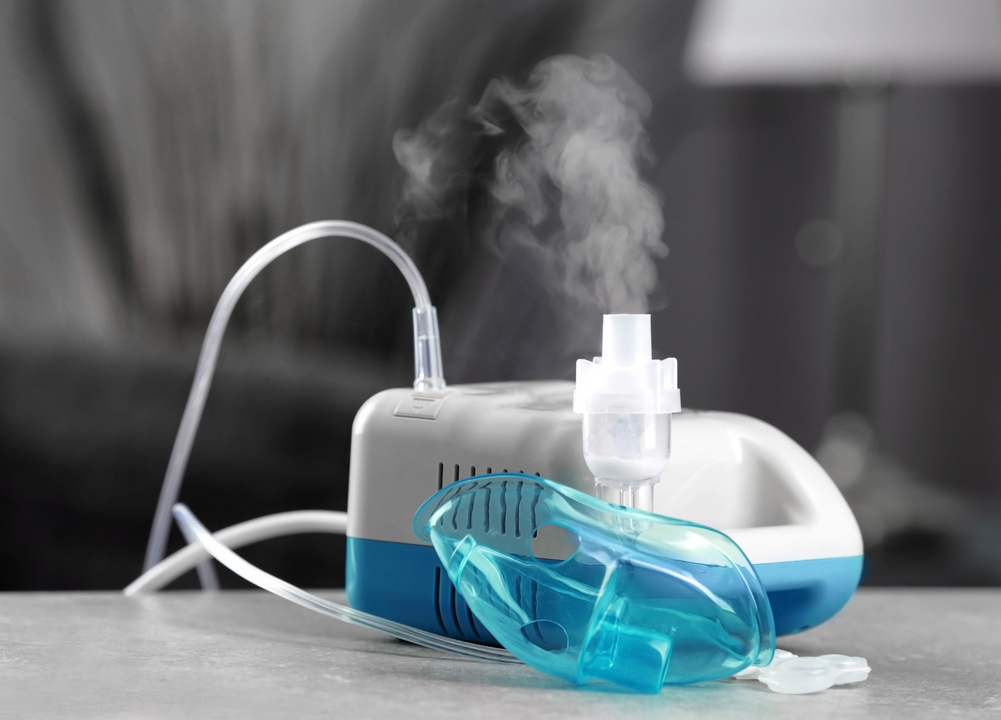
- Nebulizers: Creating fine mists for respiratory therapies.
- Diagnostic Imaging: Potential use in aerosolizing contrast agents.
The ability to control droplet size with ultrasonic atomizers is a game-changer for medical applications, allowing for more targeted and efficient delivery of therapeutic agents.
Industrial and Manufacturing Processes
Manufacturing lines are also finding uses for this technology. In electronics, for example, ultrasonic atomizers can be used for applying very thin, uniform coatings onto components. This is important for things like creating conductive layers or protective films. They’re also used in processes where a fine spray is needed for cooling or humidifying, like in textile manufacturing or certain food processing applications. The consistency of the mist is key here.
- Thin-Film Deposition: Applying uniform, thin layers of materials.
- Humidification/Cooling: Controlled moisture addition in sensitive environments.
- Surface Treatment: Even application of cleaning agents or coatings.
- Printing Technologies: Potential for specialized inkjet or 3D printing applications.
Environmental Monitoring and Analysis
For environmental work, ultrasonic atomizers are useful for sampling. They can take a liquid sample from the air or water and turn it into a fine mist that can be analyzed by instruments like mass spectrometers. This is how scientists can detect pollutants or measure chemical concentrations in the environment. The efficiency of turning a liquid sample into an aerosol for analysis is really important for getting accurate readings.
- Air Quality Sampling: Aerosolizing airborne particles for analysis.
- Water Quality Testing: Preparing liquid samples for spectroscopic analysis.
- Chemical Analysis: Creating fine mists for gas chromatography or mass spectrometry interfaces.
| Application Area | Key Benefit |
| Medical | Targeted drug delivery, reduced dosage |
| Industrial | Uniform coatings, precise process control |
| Environmental Monitoring | Efficient sample aerosolization for analysis |
Performance Metrics And Characterization
When we talk about ultrasonic atomizers, we’re really interested in how well they do their job. It’s not just about making mist; it’s about making the right kind of mist, consistently and efficiently. This section looks at the key ways we measure and understand the performance of these transducers.
Droplet Size Distribution Analysis
The size of the droplets produced is probably the most important factor. Different applications need different droplet sizes. For instance, medical inhalers require very fine droplets to reach deep into the lungs, while agricultural spraying might need larger ones to cover surfaces effectively. We use techniques like laser diffraction or dynamic light scattering to get a picture of the droplet sizes. This gives us a distribution, showing how many droplets fall into different size ranges. A narrow, consistent droplet size distribution is usually a sign of a well-performing atomizer.
Mist Output Rate And Efficiency
How much mist can the atomizer produce, and how much liquid does it use to do so? The output rate tells us the volume of liquid atomized per unit of time. Efficiency, on the other hand, relates the amount of mist produced to the energy consumed or the amount of liquid processed. Higher efficiency means less waste and lower operating costs. We often look at the mass flow rate of the liquid being atomized as a measure of output.
Power Consumption And Durability
Ultrasonic atomizers run on electricity, so how much power they use is a big deal, especially for battery-powered devices or large-scale industrial setups. Lower power consumption means longer run times and reduced energy bills. Durability is also key. These devices need to withstand continuous operation, sometimes in challenging environments. We assess durability through accelerated life testing, looking for signs of wear, changes in performance over time, or outright failure. A transducer that lasts longer and maintains its performance is a more cost-effective solution in the long run.
Characterizing an ultrasonic atomizer involves a multi-faceted approach. It’s about understanding not just the immediate output, but also the long-term reliability and the energy trade-offs involved. This data helps engineers select the right atomizer for a specific task and guides the development of new, improved designs.
Advancements In Ultrasonic Atomizer Transducer Technology
The field of ultrasonic atomization is always moving forward, with researchers and engineers constantly finding new ways to make these devices better. It’s not just about making mist; it’s about making better mist, more efficiently, and for more uses.
Miniaturization And Integration
One big trend is making ultrasonic transducers smaller. Think about it: smaller devices mean they can be built into more things. We’re seeing these tiny transducers pop up in portable medical devices, like inhalers that deliver medication precisely where it’s needed. They’re also being integrated into smaller industrial equipment where space is tight. This push for miniaturization means manufacturers can create more compact and user-friendly products.
- Smaller footprint for devices
- Easier integration into existing systems
- Potential for battery-powered, portable applications
Enhanced Frequency And Power Control
Beyond just size, controlling the frequency and power of the ultrasonic transducer is getting a lot more sophisticated. Different applications need different mist characteristics. For instance, some processes might require very fine droplets, while others need a higher output rate. New control systems allow for precise adjustments to the transducer’s operation. This means you can fine-tune the mist output for specific tasks, leading to better results and less waste. For example, adjusting the frequency can change the droplet size, and modifying the power can alter the volume of mist produced. This level of control is a big step up from older, more basic models.
Precise control over frequency and power output allows for tailored mist generation, adapting to a wide array of industrial and medical needs. This flexibility is key to optimizing performance in diverse applications.
Novel Transducer Designs For Specific Applications
Engineers are also getting creative with the actual design of the transducers themselves. Instead of a one-size-fits-all approach, we’re seeing specialized designs. Some might focus on maximizing durability for harsh industrial environments, like those found in chemical processing. Others are being developed for specific fluid types, handling everything from water-based solutions to more viscous liquids. This tailored approach means the transducer is optimized for the job it needs to do, improving its lifespan and effectiveness. For instance, a nozzle designed for cleaning applications might use a different material or internal structure than one intended for pharmaceutical aerosolization. This focus on application-specific designs is really pushing the boundaries of what ultrasonic atomizers can achieve, making them more versatile tools for industries like manufacturing and environmental analysis. Y
- Designs for high-viscosity fluids
- Materials selected for chemical resistance
- Optimized geometries for specific spray patterns
Wrapping Up: What We’ve Learned
So, we’ve taken a pretty good look at how ultrasonic atomizer transducers work. It’s kind of wild to think that these little devices can break down liquids into such tiny droplets, just by using sound waves. We saw how the design of the transducer, the materials used, and even the liquid itself all play a part in getting that fine mist. It’s not just about making fog for a spooky effect; this technology is actually used in some pretty important areas, like humidifiers, medical devices, and even in certain industrial processes. Understanding the basics of how these transducers function helps us appreciate the science behind everyday items and opens doors for new ideas. It’s a neat piece of engineering, really.
Frequently Asked Questions
What is an ultrasonic atomizer transducer?
Imagine a tiny speaker that doesn’t make sound you can hear, but instead uses high-frequency vibrations to turn a liquid into a super fine mist. That’s basically an ultrasonic atomizer transducer! It’s a special part that vibrates really fast, so fast that it breaks up liquid into tiny, tiny droplets, creating a mist.
How does this transducer create mist?
It works by using vibrations, kind of like ripples on a pond. When the transducer vibrates at a very high frequency, it creates tiny bubbles in the liquid. These bubbles pop very quickly, and this popping action is what breaks the liquid into small mist particles.
What are the main parts of this transducer?
The most important part is usually made of a special material called a piezoelectric crystal. This crystal can change shape when electricity is applied to it, causing it to vibrate. It also has metal parts called electrodes that help send the electricity to the crystal.
Why is the mist so fine?
The mist is so fine because the transducer vibrates at incredibly high speeds. This rapid vibration creates very small bubbles that pop, turning the liquid into droplets that are much smaller than you could make just by shaking or spraying it.
Where are these ultrasonic atomizers used?
They are used in many places! For example, in humidifiers to add moisture to the air, in medical devices to deliver medication as a mist, and even in some types of air fresheners or diffusers.
Are there different kinds of ultrasonic atomizer transducers?
Yes, there are! Scientists and engineers are always trying to make them better. Some are made smaller to fit into tiny devices, while others are designed to create even finer mist or use less power. They also experiment with different materials to make them last longer.