The Piezoelectric Effect Explained
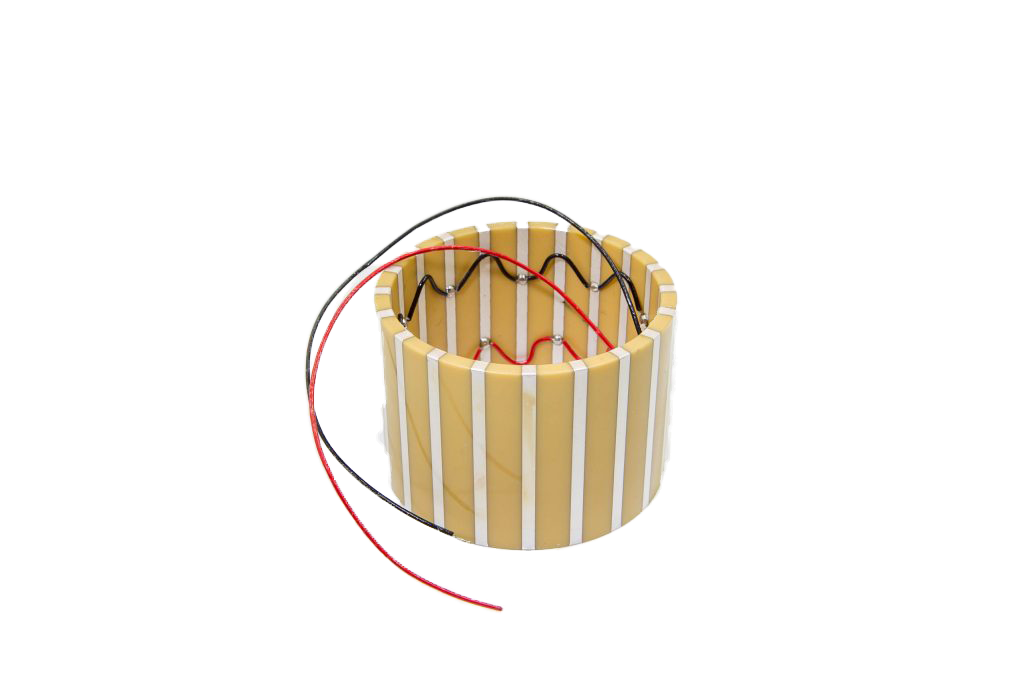
Piezoelectricity is a pretty neat property that certain materials have. Basically, when you squeeze or stretch them, they create an electrical charge. It’s like they have a built-in little generator. This effect was first noticed way back in 1880 by the Curie brothers, who saw it in crystals like quartz. The science behind it involves how the atoms are arranged inside the material. When you apply pressure, the charges inside shift, and that creates a voltage across the material. This isn’t just limited to crystals; some ceramics, polymers, and even special composite materials can do this too. It’s this ability to turn mechanical force into electricity that makes these materials so useful in technology today.
How Piezo Tubes Function as Transducers
So, how does this piezoelectric effect turn into something we can use? That’s where transducers come in. A piezo transducer, like a piezo tube, can work in two directions. It can act as a sensor, picking up on physical changes like vibrations or pressure and turning them into an electrical signal. Or, it can act as an actuator, taking an electrical signal and using it to create a physical action, like movement or sound. Think of it like a two-way street for energy. For example, in some high-tech dispensing systems, these actuators can move tiny amounts of liquid with incredible speed and accuracy. The shape of the piezo element, like a tube, is often chosen to suit the specific job it needs to do.
Key Characteristics of Piezo Tubes
When we talk about piezo tubes, there are a few things that really matter for how well they work. Sensitivity is a big one – it tells you how well the tube converts pressure into an electrical signal. The faster the changes it needs to detect, the more important its frequency response becomes. You also need to consider its operating range, how stable it is with temperature changes, and if its output is consistent. These factors help decide if a piezo tube is the right fit for a particular job, whether it’s sensing subtle vibrations or creating precise movements. For applications needing consistent spray patterns, like in certain industrial cleaning setups, the reliability of these characteristics is key.
Precision Applications of Piezo Tubes in Medical Technology
Enhancing Ultrasonic Imaging with Piezo Tubes
Piezo tubes are really important in medical ultrasound machines. They help create those detailed images doctors use to see inside the body. Think about checking on a baby during pregnancy or looking for problems in organs – these tubes are working hard to make that possible. They convert electrical signals into sound waves and then back into electrical signals when the waves bounce off different tissues. This process allows for really clear pictures, which is a big deal for diagnosing issues accurately.
Piezo Tubes in Minimally Invasive Surgical Instruments
When surgeons need to be super precise, piezo tubes come into play. They’re used in tools that cut or manipulate tissue with incredible accuracy. Because they can create very fine, controlled movements, they help surgeons work with less damage to the patient. This means quicker recovery times and fewer complications. It’s like having a microscopic, steady hand for delicate operations.
Wearable Health Devices Utilizing Piezo Tubes
It’s not just in hospitals where piezo tubes are making a difference. You’re starting to see them in wearable gadgets too. These tiny tubes can sense movement, pressure, or even subtle vibrations. This means your fitness tracker might use a piezo tube to count your steps more accurately, or a smart patch could monitor your heart rate by sensing tiny changes. The ability to pack this sensing power into small, wearable devices is changing how we keep an eye on our health day-to-day.
Industrial Innovations Driven by Piezo Tubes
Nondestructive Testing with Piezo Tubes
Piezo tubes are really useful in industrial settings, especially for checking materials without damaging them. This is called nondestructive testing, or NDT. Think about it: you need to know if a big metal beam or a complex part has any hidden cracks or weaknesses, but you can’t just cut it open to look. That’s where piezo tubes come in. They can send out sound waves and then listen for the echoes. If the echo changes in a weird way, it can tell us there’s a flaw inside. This is super important for safety in industries like aerospace and manufacturing. We’re talking about making sure planes are safe to fly or that the parts in a car are strong enough. The precision of these tubes means we can find even tiny problems before they become big issues. It’s a bit like a doctor using an ultrasound, but for industrial parts.
Precision Control in Automation Systems
Automation is everywhere now, and piezo tubes are a big part of making it work smoothly and accurately. In factories, robots and machines need to do things with incredible precision, like placing tiny electronic components or assembling complex machinery. Piezo tubes, acting as actuators, can move with very fine control, down to the nanometer level. This means machines can perform tasks that were impossible before. They react quickly and precisely, which is vital for high-speed production lines. Without this kind of accuracy, automated systems would be much less efficient, leading to more errors and wasted materials. It’s all about making things faster, cheaper, and better.
Vibration Monitoring and Predictive Maintenance
Machines in factories can be pretty noisy and shaky. Piezo tubes are excellent sensors for picking up these vibrations. By constantly monitoring the vibrations of a piece of equipment, we can tell a lot about its health. If a bearing starts to wear out, or if something gets out of balance, the vibration pattern will change. Piezo tubes can detect these subtle changes early on. This allows maintenance crews to fix a problem before it causes the machine to break down completely. This is called predictive maintenance, and it saves a ton of money and downtime. Instead of waiting for a machine to fail, you fix it when it’s convenient, based on the data from sensors like piezo tubes. It’s a smarter way to keep industrial operations running smoothly.
Piezo Tubes Enhancing Consumer Electronics
Piezo tubes are showing up in more and more gadgets we use every day. They’re not just for fancy industrial stuff anymore. Think about your smartphone or your headphones – there’s a good chance a tiny piezo component is inside, making things work better.
Improving Touch Sensitivity and Haptics in Mobile Devices
Remember when phone screens felt a bit clunky? Piezo technology has really changed that. These little components can sense the pressure of your finger with incredible accuracy. This allows for more responsive touchscreens and nuanced haptic feedback, making your phone feel more alive when you interact with it. It’s not just about tapping; it’s about feeling a subtle vibration that confirms your action, or even allows for different levels of pressure to trigger different commands. This makes using your device a much more intuitive experience. It’s a big step up from just a simple buzz.
High-Fidelity Audio Reproduction
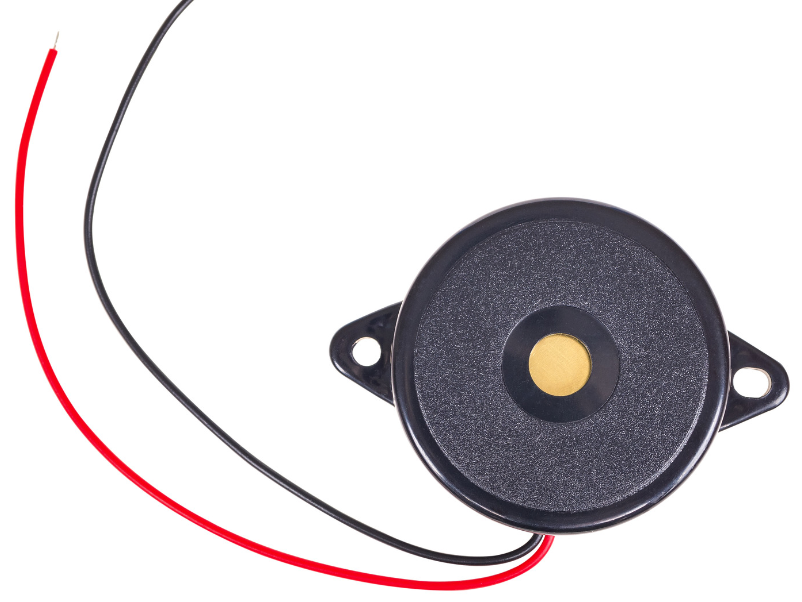
When it comes to sound, piezo elements are making waves. In speakers and headphones, they can convert electrical signals into sound waves with remarkable clarity. Because they can vibrate very quickly and precisely, they reproduce high frequencies really well, giving you that crisp, detailed sound. This is especially noticeable in high-end audio equipment where every note matters. It’s like hearing your favorite music for the first time, all over again. For applications needing precise fluid dispensing, like in certain printing technologies, piezo actuators are also a great fit.
Functionality in Wearable Technology
Wearable tech is another area where piezo tubes are quietly working their magic. These devices, like smartwatches and fitness trackers, often use piezo components to monitor your movements and even your heart rate. They can pick up on tiny vibrations and physical changes, turning them into data that helps you track your health and activity. This ability to sense and convert physical input into electrical signals is what makes many of these gadgets so smart and useful. It’s pretty neat how much technology is packed into something so small, helping us stay connected and informed about our own bodies. For example, a flat spray nozzle might be used in a device that needs to apply a fine mist for skin care applications, ensuring even coverage.
Advancements in Piezo Tube Materials and Design
The world of piezo tubes isn’t static; it’s constantly evolving. Researchers and engineers are always looking for ways to make these components better, more efficient, and suitable for even more demanding jobs. This means digging into new materials and rethinking how we put them together.
Piezoceramic Composites for Enhanced Performance
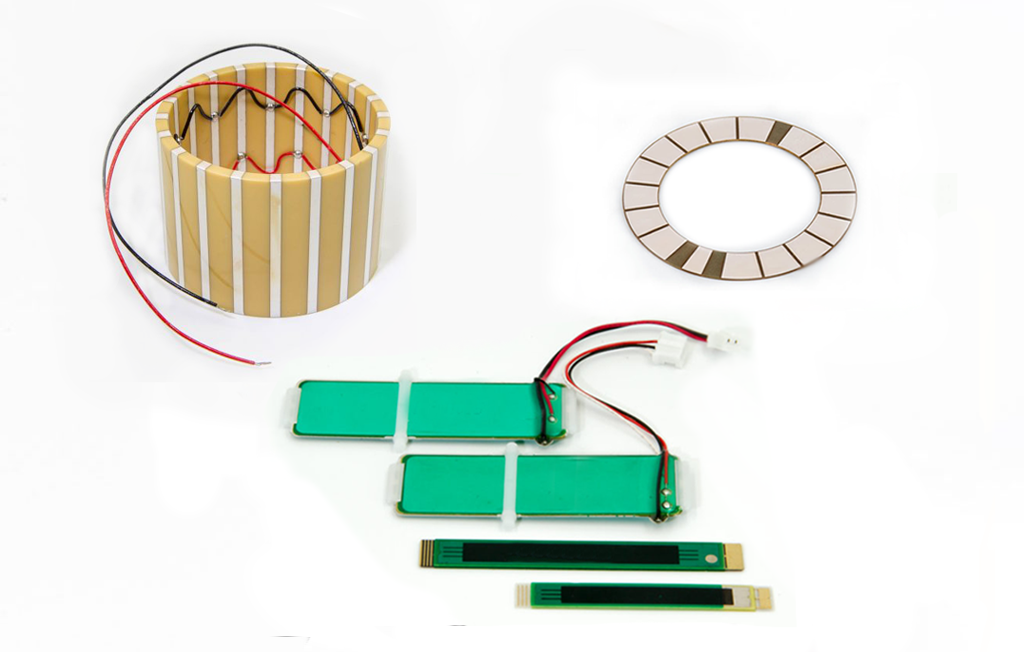
Piezoceramic composites represent a pretty big step forward. Think of them as a blend – combining the best traits of ceramics and polymers. This mix gives them high coupling factors, meaning they’re really good at converting electrical energy to mechanical energy and vice-versa. Plus, they’re more flexible than plain ceramics. This makes them a great choice for things like underwater sonar systems or delicate medical imaging equipment. The goal here is to get more bang for your buck, performance-wise, from these materials.
DuraAct Patch Transducers for Vibration Applications
When you need to keep an eye on high-frequency vibrations or actively dampen them, DuraAct patch transducers are a neat solution. They’re small and can be stuck onto surfaces, making them super adaptable. They work by embedding piezo elements into a polymer structure. This not only makes them tough and flexible but also provides electrical insulation and keeps things stable. They’re becoming a go-to for monitoring machinery health and preventing issues before they start.
PICMA® Piezo Linear Actuators for Precision Movement
For tasks that demand really precise, tiny movements, PICMA® piezo linear actuators are a big deal. They use piezo materials to achieve accuracy down to the nanometer level. You’ll find them in high-tech measuring devices and other applications where even the slightest error isn’t an option. The advanced materials used mean they can keep performing reliably for a long time.
The continuous development in materials science is key to pushing the boundaries of what piezo technology can do. It’s not just about making them stronger, but also smarter and more adaptable to different environments and tasks.
Here’s a quick look at some material advancements:
- Piezoceramic Composites: Blend of ceramics and polymers for flexibility and strong electromechanical coupling.
- DuraAct Patch Transducers: Robust, flexible modules for vibration monitoring and damping.
- PICMA® Actuators: High-precision linear motion achieved through advanced piezo materials.
The Future Potential of Piezo Tubes
It feels like we’re just scratching the surface with piezo tubes. The way they can turn a little bit of pressure into an electrical signal, or vice versa, is pretty neat. And as things get smaller and more complex, these little guys are becoming even more important. Think about it – we’re always looking for ways to make devices more efficient and capable, right?
Miniaturization Trends in Piezo Tube Technology
One big thing happening is making piezo tubes smaller. Seriously, they’re getting tiny. This is a huge deal for things like medical implants that need to fit inside the body, or for the next generation of super-compact electronics. When you’re designing something where space is really tight, having a component that’s both small and effective is a game-changer. We’re seeing them shrink down so much that they can be integrated into places we wouldn’t have thought possible even a few years ago.
Increasing Sensitivity for Advanced Sensing
Another area getting a lot of attention is making piezo tubes more sensitive. This means they can pick up on even smaller changes in pressure or vibration. For industrial settings, this could mean detecting tiny flaws in materials before they become a problem, or getting more precise readings from sensors. In other fields, like diagnostics, this increased sensitivity can lead to earlier detection of issues. It’s all about getting more accurate information from the physical world.
Energy Harvesting Applications for Piezo Tubes
This one’s pretty cool: piezo tubes can actually generate electricity from movement. Imagine a device that powers itself just from the vibrations around it, or from someone walking on it. This is called energy harvesting, and it’s a big deal for making things more sustainable. Instead of relying solely on batteries, we could have sensors or small electronics that are powered by their environment. It’s a way to get power from places we normally wouldn’t think of, contributing to a greener approach to technology.

The ongoing development in piezo tube technology points towards a future where these components are not only smaller and more sensitive but also capable of contributing to self-powered systems, reducing reliance on traditional energy sources.
Wrapping It Up
So, we’ve seen how these little piezo tubes, and other piezo devices, are pretty much everywhere. From helping doctors see inside us with ultrasound to making our phones buzz when we get a message, they’re doing a lot of work behind the scenes. They’re not just fancy gadgets; they’re key parts in making things more precise, more efficient, and sometimes, just more useful. As technology keeps moving forward, it’s a safe bet that we’ll keep finding new and interesting ways to use these amazing materials. It’s pretty cool how something so small can have such a big impact on the tech we use every single day.
Frequently Asked Questions
What exactly is a piezo tube?
Think of a piezo tube like a special kind of straw made from materials that change shape when you apply electricity, or create electricity when you squeeze or bend them. This makes them useful for both sensing things and moving things very precisely.
How do piezo tubes help in medical tools?
In medicine, these tubes are super important for things like ultrasound machines, which use them to create images of what’s inside your body. They can also be used in tiny surgical tools to make very exact movements, helping doctors perform delicate operations with less harm.
Are piezo tubes used in everyday gadgets?
Yes, they are! You can find them in your smartphone to help with things like touch screens and making sounds clearer. They also help make headphones and speakers produce great audio quality.
What makes piezo tubes useful in factories?
In factories, piezo tubes are used for important jobs like checking products for tiny cracks or flaws without damaging them. They also help robots and machines move with incredible accuracy, which is key for making things efficiently.
Are there new kinds of piezo materials being developed?
Scientists are always working to make piezo materials better. They’re creating new combinations that are stronger, more flexible, and can do even more amazing things, like being used in special patches that can sense vibrations.
What’s next for piezo tube technology?
The future looks bright! Researchers are making piezo tubes smaller and more sensitive, which will lead to even more advanced devices. They’re also looking into using them to capture energy from movement, like vibrations, to power small electronics.