Electromechanical Coupling Explained
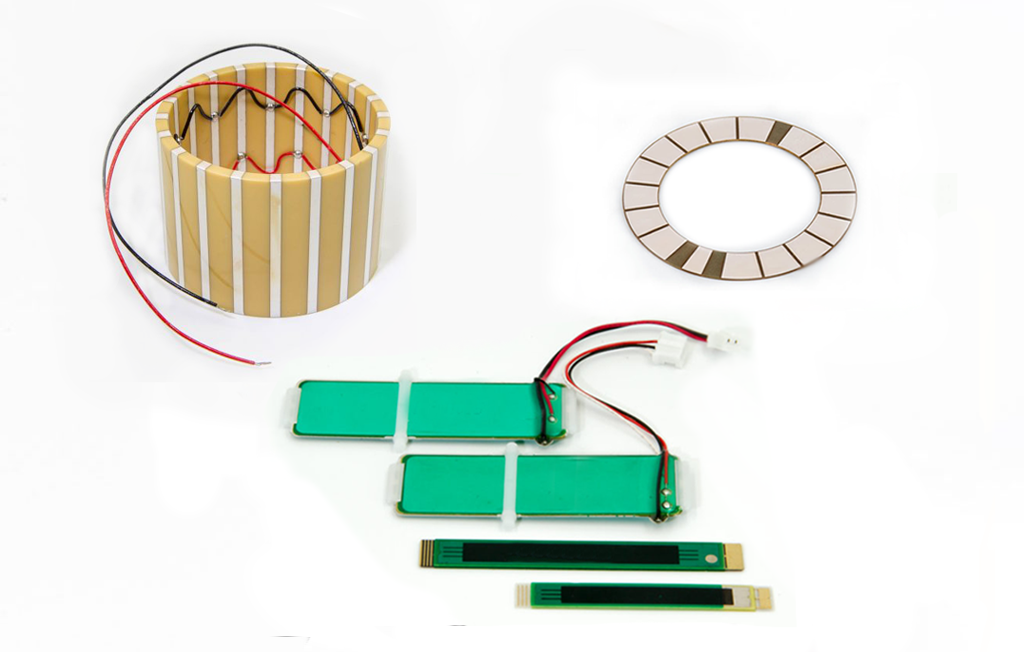
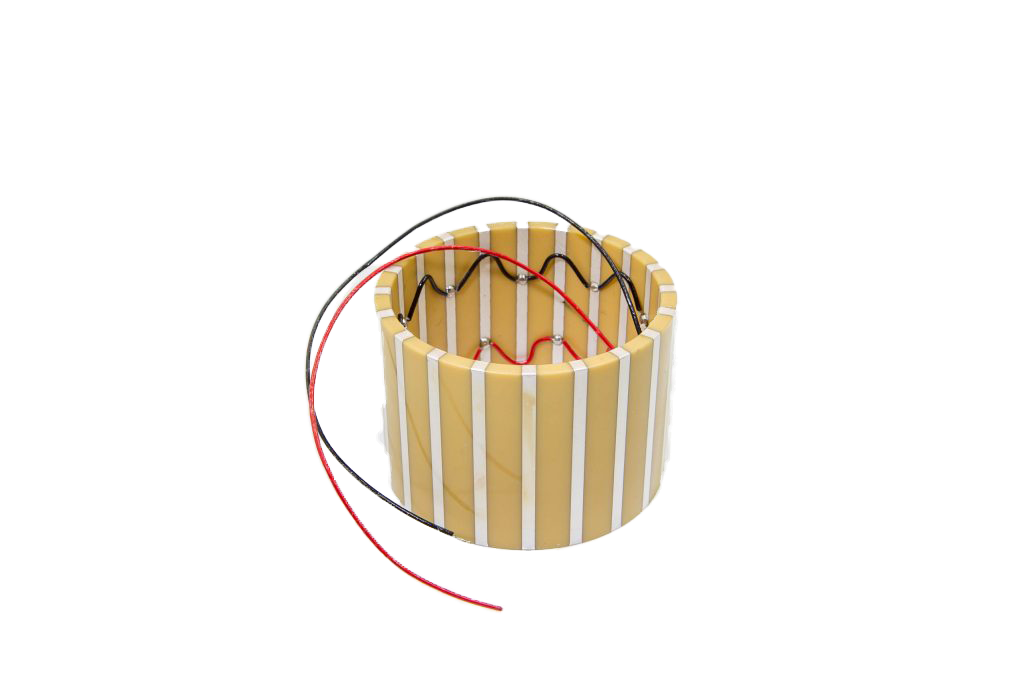
At its core, a PZT transducer works because of something called electromechanical coupling. This might sound a bit technical, but it’s really just about how well the material can swap between electrical energy and mechanical energy. Think of it like a really efficient engine; the better the coupling, the less energy gets wasted as heat. PZT, which stands for Lead Zirconate Titanate, is a ceramic material that’s exceptionally good at this energy conversion. This high efficiency is a big reason why Piezo transducers are chosen for jobs where precision really matters, like in sensitive measurement equipment or fine-tuning systems. It’s this two-way street – electrical fields causing physical movement, and physical pressure generating electrical signals – that makes them so adaptable.
Durability and Stability of PZT Transducers
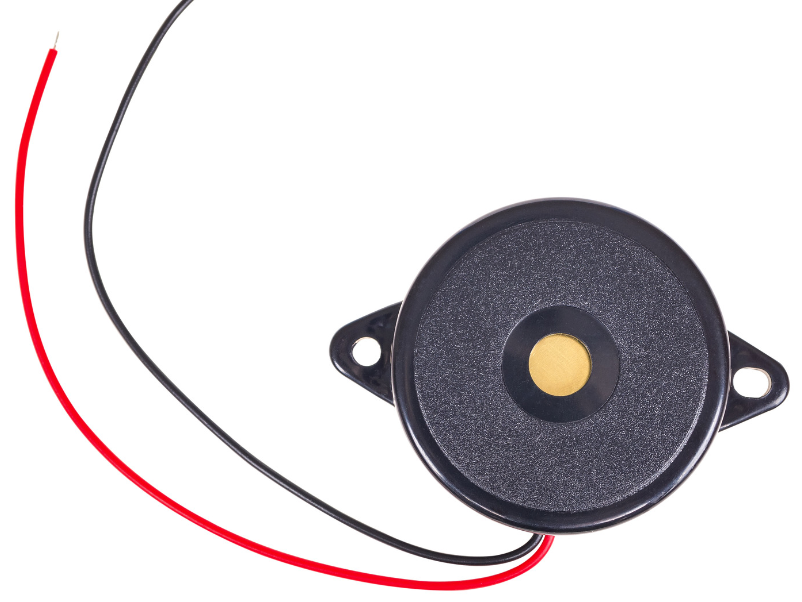
When you’re putting components into a system, you want them to last, right? PZT transducers generally hold up pretty well. They’re known for being tough and stable over time. Of course, how long they last and how stable they are depends a lot on how you use them and the specific conditions they’re in. But as a material, PZT can handle a good amount of stress and keep doing its job. Some factors that contribute to their robustness include:
- Good resistance to wear and tear.
- They don’t react much with many chemicals.
- They can handle strong electric fields without breaking down.
These qualities make them suitable for a wide range of industrial settings, even those that aren’t exactly gentle. For applications requiring consistent performance in tough environments, materials like 316L stainless steel are often used for nozzle bodies, offering corrosion resistance and durability, much like PZT offers in its own domain [d479].
Key Material Properties for PZT Ceramics
PZT ceramics are popular because they have strong piezoelectric and ferroelectric traits. They also tend to have a high Curie temperature, which is the point at which they lose their special piezoelectric properties. Plus, you can tweak the exact mix of PZT to get just the right properties for a specific job. This flexibility is a major advantage. However, it’s worth noting that PZT does contain lead, which brings up environmental questions in some applications.
The ability of PZT to convert electrical energy into mechanical motion, and vice versa, is its defining characteristic. This property, known as piezoelectricity, is amplified by its ferroelectric nature, allowing for strong and reversible responses to applied fields or stresses. These combined traits make PZT a go-to material for precise control and sensitive detection.
Piezo Transducers in Sensing Applications
Piezo transducers are really handy for sensing all sorts of things. They work by turning physical forces into electrical signals, which is pretty neat. This makes them super useful for measuring things like pressure, acceleration, and even sound waves. It’s like having a tiny, precise ear or touch for your equipment.
Precision Pressure Sensing with Piezo Transducers
When you need to know exactly how much pressure is being applied, PZT transducers are a great choice. They work by generating an electrical charge when pressure pushes on the PZT material. The more pressure, the more charge. This direct relationship means they can be really accurate.
Here’s why they’re good for pressure sensing:
- High Sensitivity: They can pick up on even small changes in pressure.
- Quick Response: They react almost instantly when pressure shifts.
- Compact Size: They can be made small, fitting into tight spots.
These sensors show up in all sorts of places, from medical gear measuring blood pressure to industrial machines keeping an eye on fluid levels.
Accelerometers Utilizing PZT Transducer Technology
Accelerometers measure how fast something is speeding up or slowing down, and PZT transducers are often the core component. The idea is simple: a small weight is attached to the PZT. When the device accelerates, this weight presses on the PZT, creating an electrical charge. The strength of this charge tells you how much acceleration is happening.
Here’s a look at some typical specs:
| Characteristic | Value |
| Sensitivity | 10 mV/g |
| Frequency Range | 1 Hz – 10 kHz |
| Operating Temp. | -40°C to +125°C |
These accelerometers are used in things like car safety systems, monitoring vibrations in factories, and even in your phone.
Ultrasonic Sensing Capabilities of PZT Transducer Ultrasonics
PZT transducers are also fantastic for creating and detecting ultrasonic waves – sound waves with frequencies too high for us to hear. When you apply an alternating voltage, the PZT vibrates and sends out these waves. When these waves hit something and bounce back, the PZT detects the returning waves and turns them into a voltage signal.
This makes them perfect for:
- Medical Imaging: Think ultrasound scans.
- Non-Destructive Testing: Finding hidden flaws in materials.
- Distance Measurement: Like in parking sensors.
The ability to generate and receive these high-frequency sound waves makes PZT transducers incredibly versatile for a wide range of sensing tasks.
PZT Transducers as Precision Actuators
When you need to move something with extreme accuracy, PZT transducers really shine. They’re not just for sensing; they’re also fantastic at creating controlled mechanical motion. Think about it – they take an electrical signal and turn it into a tiny, precise movement. This makes them super useful in a bunch of industries where even a microscopic shift matters.
Nanopositioning with PZT Transducer Actuators
Need to move something on the nanometer scale? PZT actuators are your go-to. Because the amount they move is directly tied to the voltage you apply, you get incredibly fine control. This is a big deal for things like:
- Semiconductor manufacturing, where components need exact placement during chip making.
- Optical alignment, getting lenses and mirrors lined up just right.
- Scientific instruments, like microscopes, that need to position samples perfectly.
Micropositioning Systems Driven by PZT Transducers
Micropositioning is similar, just a bit larger scale, though still very small! PZT transducers are used in systems that control movement with micrometer precision. You’ll find these in:
- Robotics, allowing for delicate tasks.
- Biotechnology, for manipulating cells.
- Manufacturing, for assembling tiny parts.
The ability to achieve such precise movements is what makes PZT transducers invaluable in modern engineering.
Electromechanical Systems and PZT Transducer Integration
PZT transducers can be built into larger systems to give them precise motion control. This allows for complex machines that can do a lot of different jobs. For example, they can be used to control fluid flow in microfluidic devices or to create miniature pumps for drug delivery. Integrating them means careful planning about size, voltage, and the kind of movement needed. It’s all about getting that exact control.
Here’s a look at how voltage affects movement in a typical PZT actuator:
| Voltage (V) | Displacement (µm) |
| 0 | 0 |
| 50 | 2 |
| 100 | 4 |
| 150 | 6 |
| 200 | 8 |
Careful design and control are key when integrating PZT transducers into electromechanical systems to get the best performance. This precision is vital for many applications, including those in the specialty nozzle industry where exact spray patterns are critical, much like the consistent coverage offered by a brass flat nozzle.
These actuators are essential for tasks requiring incredibly fine adjustments, making them a cornerstone in many advanced technological setups.
Advanced Applications of PZT Transducers
PZT transducers aren’t just for basic sensing or simple movements anymore. They’ve really stepped up their game and are showing up in some pretty sophisticated areas. Let’s check out some of the more interesting places these versatile components are making a difference.
Medical Imaging with PZT Transducer Probes
You’ve probably experienced ultrasound at some point, maybe during a pregnancy check-up or a medical scan. Well, those probes you see are packed with PZT transducers. They work by sending out high-frequency sound waves and then listening for the echoes that bounce back from inside the body. By carefully analyzing these echoes, they create detailed images of organs, tissues, and even developing fetuses. The real magic here is the precision. By tweaking the PZT material and the probe’s design, we can get incredibly sharp images, which is a big deal for spotting small issues like tumors or monitoring delicate structures. This non-invasive diagnostic capability is pretty remarkable.
Non-Destructive Testing Using PZT Transducers
Think about needing to check the integrity of a bridge or an airplane wing without actually damaging it. That’s where non-destructive testing (NDT) comes in, and PZT transducers are a big part of it. They can send ultrasonic waves through materials like steel, concrete, or composites. When these waves hit a flaw – like a crack, void, or corrosion – they reflect differently. By analyzing these reflected waves, engineers can pinpoint problems deep inside a structure. It’s like giving something a thorough internal checkup without ever cutting it open. This is super important for safety in industries like aerospace, construction, and manufacturing.
Sonar Systems and PZT Transducer Sensitivity
Sonar, essentially underwater radar using sound, relies heavily on PZT transducers. These devices send out sound pulses into the water and then listen for the echoes that return from objects like submarines, shipwrecks, or even schools of fish. The sensitivity of the PZT material is key here. The farther the sound travels and the fainter the echo, the better the transducer needs to be at picking up those subtle signals. Better PZT transducers mean sonar systems can detect objects from farther away and with more clarity, which is vital for everything from marine navigation to defense applications.
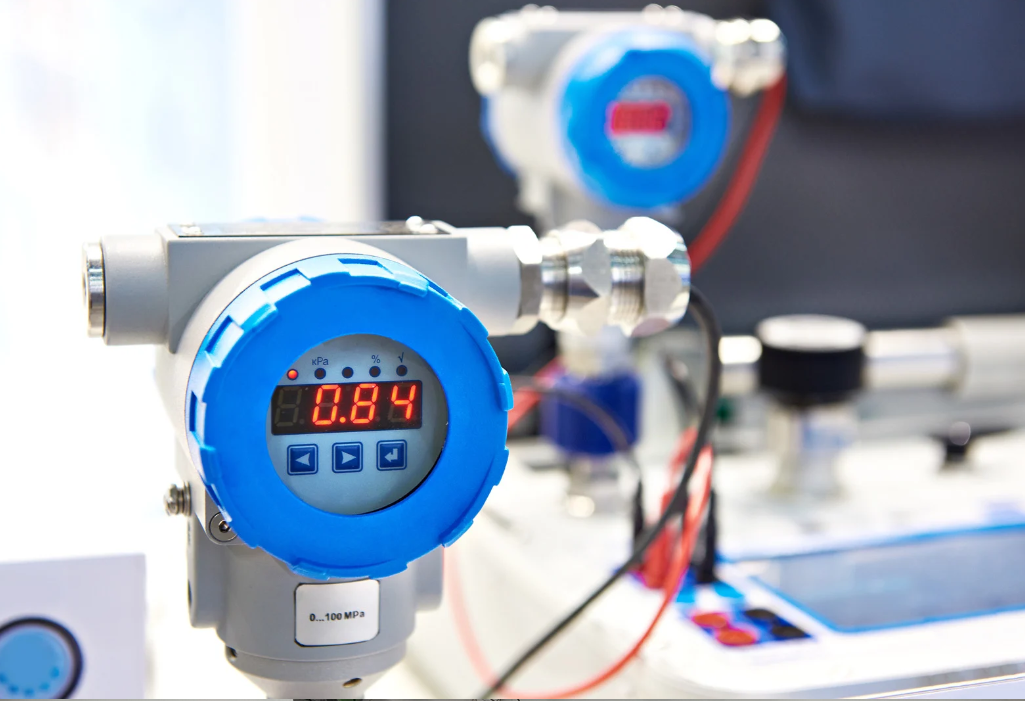
The ability of PZT transducers to generate and detect ultrasonic frequencies with high accuracy makes them indispensable for applications requiring detailed subsurface analysis without physical intrusion.
Here’s a look at how PZT transducers contribute to these advanced fields:
- Medical Imaging: High-resolution imaging for diagnostics and monitoring.
- Non-Destructive Testing: Detecting internal flaws in materials and structures.
- Sonar Systems: Object detection and mapping in underwater environments.
These applications highlight how PZT technology is moving beyond basic functions into areas demanding extreme precision and reliability.
PZT Transducers in Scientific Instrumentation
When you’re working with really tiny things, like atoms or molecules, you need tools that can move and measure with incredible accuracy. That’s where piezoelectric transducers really shine in scientific instruments. They’re not just for big industrial jobs; they’re essential for the super-precise work happening in labs around the world.
Atomic Force Microscopy and PZT Transducers
Think about trying to see something as small as an atom. Atomic Force Microscopy (AFM) does just that. It uses a super-fine tip, almost like a needle, to scan the surface of a material. PZT transducers are the workhorses here, controlling the up-and-down and side-to-side movement of that tiny tip. They can move it in steps so small, we’re talking nanometers – that’s billionths of a meter! This level of control lets scientists map out surfaces with atomic-level detail. Without the precise motion PZT provides, getting those incredibly detailed images of materials just wouldn’t be possible.
Scanning Tunneling Microscopy Applications
Similar to AFM, Scanning Tunneling Microscopy (STM) also relies on PZT transducers for its precision. STM works a bit differently; instead of touching the surface, it measures a tiny electrical current that jumps between a sharp tip and the sample. PZT transducers are used to keep the tip at a constant, incredibly small distance from the surface. This constant gap is key to measuring the electronic properties of materials. The ability of PZT ceramics to make these minute adjustments is what makes STM such a powerful tool for studying the very building blocks of matter.
Fine-Tuning and Positioning with PZT Transducer Systems
Beyond these specialized microscopes, PZT transducers are used in all sorts of scientific gear where small adjustments make a big difference. Imagine needing to align lasers for an experiment or position a sample just right under a powerful lens. PZT systems can make these tiny, controlled movements. They’re integrated into equipment that needs to be adjusted with micrometer or even nanometer precision. This fine-tuning capability is vital for getting accurate results in many research settings.
Here’s a look at how PZT actuators can provide precise movement:
| Applied Voltage (V) | Resulting Displacement (nm) |
| 0 | 0 |
| 50 | 10 |
| 100 | 20 |
| 150 | 30 |
| 200 | 40 |
The accuracy and responsiveness of PZT transducers make them indispensable for scientific instruments that push the boundaries of measurement and observation. Their ability to translate electrical signals into highly controlled mechanical motion at the nanoscale is what enables groundbreaking research in fields like materials science and nanotechnology.
Emerging Uses for PZT Transducers
PZT transducers have been around for a while, doing everything from sensing pressure to making cool ultrasonic images. But the world keeps changing, and so do the ways we use these little devices. Let’s look at some of the newer, more exciting applications popping up.
Energy Harvesting with PZT Transducer Ceramics
Think about all the places where there’s constant vibration or movement – machinery in a factory, the rumble of a truck, even just the wind. PZT ceramics can turn that wasted mechanical energy into usable electricity. This energy harvesting capability means PZT transducers can power small electronic devices without needing batteries or external power sources. It’s a really neat way to make systems more self-sufficient and reduce maintenance. Imagine sensors on equipment that never need their batteries changed because they’re powered by the machine’s own vibrations. This is especially useful in hard-to-reach places or in applications where frequent battery replacement is impractical or costly.
Converting Mechanical Vibrations to Electrical Energy
This is the core idea behind PZT energy harvesting. When a PZT material is subjected to mechanical stress or vibration, its internal structure deforms, causing a separation of positive and negative charges. This charge imbalance creates a voltage across the material. By designing specific PZT elements and integrating them into systems, we can capture this generated electrical energy. The amount of energy harvested depends on several factors:
- Frequency and amplitude of vibration: Higher intensity and specific resonant frequencies yield more power.
- Size and configuration of the PZT element: Larger or specially shaped elements can capture more energy.
- Mechanical coupling: How effectively the vibration is transferred to the PZT material.
- Electrical load: The efficiency of the circuit that stores or uses the generated electricity.
The ability to generate electricity from ambient mechanical sources opens up possibilities for truly autonomous sensor networks and low-power electronic systems, reducing reliance on traditional power grids or battery replacements.
Future Innovations in PZT Transducer Technology
The field of PZT transducers is always moving forward. Researchers are constantly exploring new ceramic compositions and manufacturing techniques to improve performance. We’re seeing developments in:
- Higher energy conversion efficiency: Making PZT materials better at turning mechanical energy into electrical energy, and vice versa.
- Increased durability and reliability: Creating transducers that can withstand harsher environments and last even longer.
- Miniaturization: Developing even smaller PZT components for integration into increasingly compact devices.
- Smart materials integration: Combining PZT with other advanced materials to create hybrid sensors and actuators with novel functionalities.
These advancements suggest that PZT transducers will continue to play a significant role in developing more efficient, sustainable, and sophisticated technologies across many industries.
Wrapping It Up
So, we’ve taken a good look at PZT transducers, and it’s pretty clear they’re not just some niche gadget. These things are everywhere, quietly making modern tech work better, from helping doctors see inside us with ultrasound to making sure robots can handle super delicate tasks. Their ability to flip between electrical signals and physical movement is a pretty big deal. While there’s always talk about finding new materials, especially with environmental stuff in mind, the innovation train for PZT isn’t slowing down. It’s genuinely exciting to think about what new tricks these versatile little components will have up their sleeve in the coming years.
Frequently Asked Questions
What makes PZT ceramics so popular for devices that use both electricity and movement?
PZT ceramics are well-loved because they’re really good at turning electrical energy into movement and movement back into electrical signals. They also work reliably even in warmer temperatures, and scientists can tweak their makeup to suit different jobs. However, some people are concerned about the lead content in them.
What are some of the challenges or downsides when using PZT ceramics?
One main challenge is the environmental worry about the lead used in PZT. Researchers are actively looking for eco-friendlier options. Also, how well PZT works in extreme heat or cold, and how long it lasts over time, are important factors to consider for specific uses.
How can the ‘recipe’ of PZT ceramic be changed for different tasks?
The amounts of lead, zirconium, and titanium in PZT can be adjusted. This flexibility allows engineers to create PZT materials that are perfect for specific jobs, like making super-sensitive sensors, precise motors, or other gadgets that need to convert energy.
Can PZT transducers be used to create electricity?
Yes, they can! When PZT material is squeezed or bent, it creates an electrical charge. This means PZT transducers can be used to capture energy from vibrations or movement, like from a car driving over a bridge or even from someone walking, and turn it into electricity to power small devices.
How small can the movements controlled by PZT actuators be?
PZT actuators can control movements that are incredibly tiny, down to the nanometer level – that’s a billionth of a meter! Even though the movement itself is small, it’s extremely precise, which is perfect for tasks like building computer chips or aligning tiny parts in scientific equipment.
Where are PZT transducers used in everyday technology?
You might find PZT transducers in devices like your smartphone for things like autofocus in the camera or for haptic feedback (the vibrations you feel). They are also the core of ultrasound machines used in hospitals for imaging, and in some advanced car safety systems.