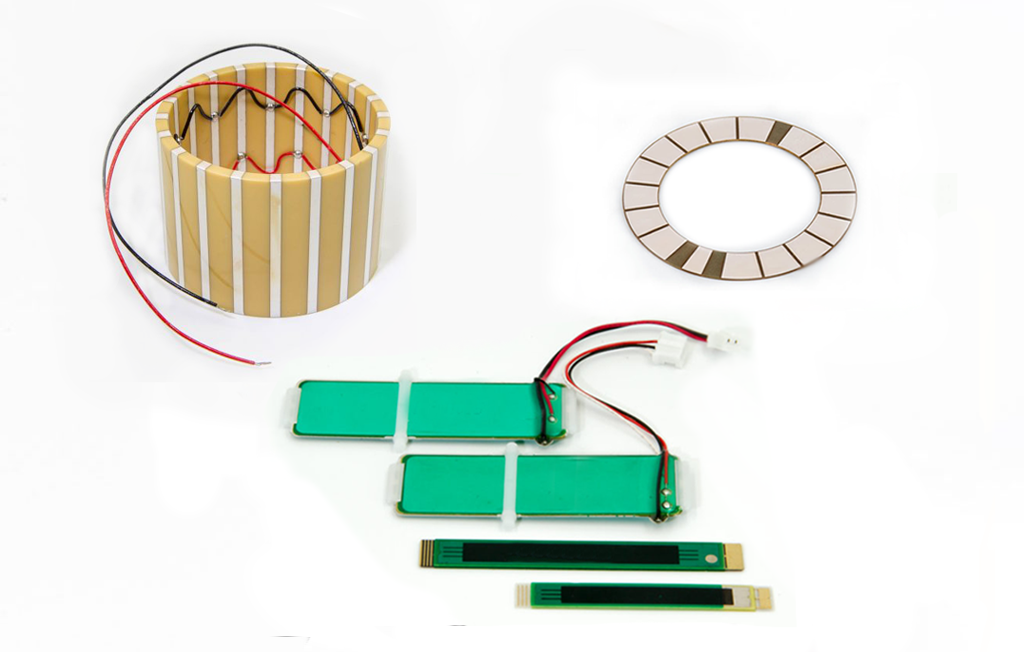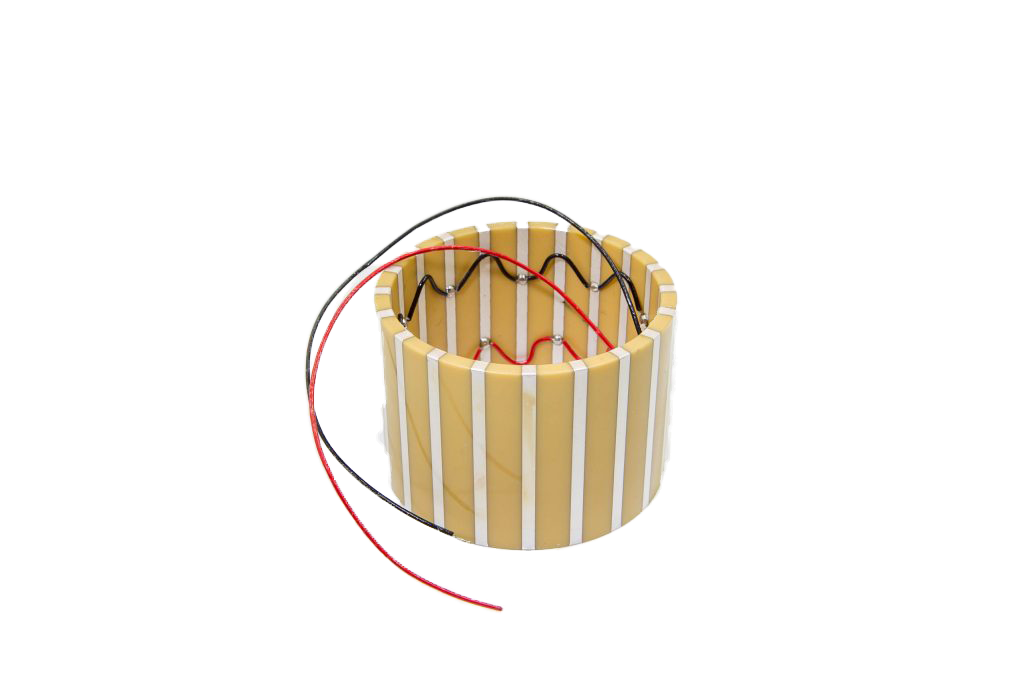
Piezo tube actuators are fascinating components that harness a unique physical phenomenon to achieve incredibly precise movements. At their core, they rely on the piezoelectric effect, a property found in certain crystalline materials. When these materials are subjected to mechanical stress, they generate an electrical charge. Conversely, when an electric field is applied to them, they deform or change shape.
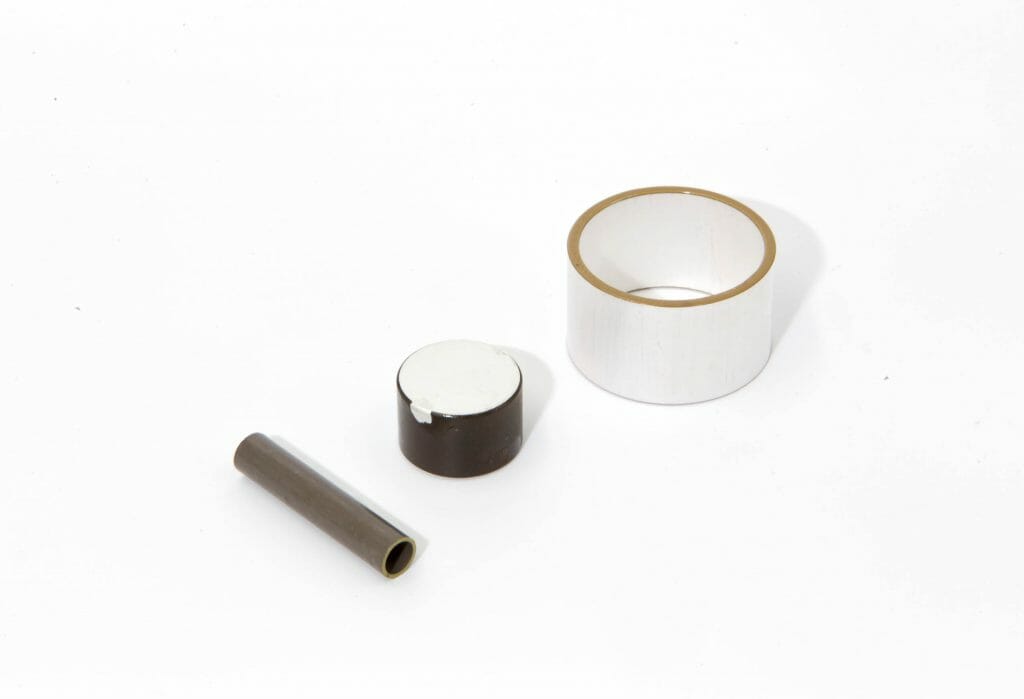
The Fundamental Piezoelectric Effect
The piezoelectric effect is a two-way street. Imagine squeezing a special crystal; it produces a tiny electrical voltage. Now, flip that: apply a voltage to the crystal, and it physically changes its dimensions – it might get a little shorter, longer, or wider. This direct and inverse piezoelectric effect is the magic behind how these actuators work. It’s not about complex gears or motors; it’s a direct conversion between electrical energy and mechanical strain.
Converting Electrical Energy to Precise Motion
So, how do we turn this effect into useful motion, especially for something like a precision spray nozzle? It’s all about applying controlled electrical signals. By feeding an alternating voltage into the piezo material, we can make it expand and contract repeatedly. The shape of the piezo tube is designed so that this expansion and contraction translates into a specific, controlled movement. This ability to generate minute, yet highly controlled, displacements makes them ideal for applications demanding extreme accuracy. Think of it like a tiny, incredibly responsive muscle that moves when you tell it to, with a level of control that’s hard to achieve otherwise.
High-Frequency Vibration Generation Capabilities
Piezo tube actuators can also vibrate at very high frequencies, often in the ultrasonic range – far beyond what we can hear. This is because the piezoelectric material can respond almost instantaneously to changes in the applied electrical field. This rapid response allows for the generation of vibrations at frequencies determined by the electrical signal. This capability is useful in various industrial processes, including some specialized cleaning or atomization techniques where high-frequency oscillations are beneficial for breaking down materials or creating fine mists.
Key Advantages Of Piezo Tube Actuators
When you’re looking at precision engineering, especially in areas like advanced manufacturing or sensitive scientific equipment, the tools you choose really matter. Piezo tube actuators bring a few standout benefits to the table that make them a go-to option for many engineers. They’re not just another component; they offer a specific set of capabilities that can make a real difference in how well a system performs.
Exceptional Sensitivity and Responsiveness
One of the biggest draws of piezo tube actuators is how incredibly sensitive they are. They can pick up on the smallest changes in pressure or force, which is a big deal when you need to be really precise. Think about it like trying to adjust a tiny screw on a piece of equipment – you need a tool that can make minute movements without overshooting. This level of fine control is what sets piezo actuators apart. They react almost instantly to electrical signals, meaning there’s very little delay between telling it to move and when it actually moves. This quick reaction time is super important in dynamic systems where things are happening fast.
Broad Frequency Range Performance
Another cool thing about these actuators is their ability to work across a wide range of frequencies. Some devices are only good at low speeds or high speeds, but piezo tubes can handle both. This makes them really versatile. Whether you need to generate slow, deliberate movements or high-frequency vibrations, a piezo tube can often do the job. This broad frequency capability is useful in applications like generating ultrasonic waves for cleaning or in certain types of sensors that need to detect rapid changes.
Compact Design and Energy Efficiency
Piezo tube actuators are generally quite small and don’t take up much space. This is a huge plus when you’re designing equipment where every millimeter counts, like in portable diagnostic tools or intricate robotic arms. On top of that, they don’t need a lot of power to operate. They use electrical energy very efficiently, which is great for battery-powered devices or systems where minimizing power consumption is a priority. This combination of small size and low energy use makes them a practical choice for many modern engineering challenges.
The ability of piezo tube actuators to provide precise, rapid, and energy-efficient motion in a compact form factor makes them invaluable for applications demanding high performance and minimal footprint.
Here’s a quick look at why these advantages are so important:
- Precision Control: Allows for movements measured in nanometers, critical for micro-assembly or optical alignment.
- Fast Response: Near-instantaneous reaction to electrical input, vital for dynamic feedback systems.
- Low Power Consumption: Ideal for portable or battery-operated devices, reducing operational costs and size.
- No Magnetic Interference: Operates without generating magnetic fields, preventing issues in sensitive electronic environments.
Diverse Applications Of Piezo Tube Actuators
Piezo tube actuators, with their unique ability to convert electrical signals into precise physical movements, are showing up in more and more places. It’s not just about making things smaller or faster; it’s about achieving levels of control that were previously out of reach. Think about how this impacts industries that rely on exactness, like manufacturing or even medicine.
Precision Positioning in Manufacturing
In manufacturing, especially where tiny parts are assembled or inspected, precision is everything. Piezo tube actuators are fantastic for this. They can move components with micron-level accuracy, which is a big deal for things like semiconductor fabrication or the assembly of intricate electronic devices. Imagine a robotic arm needing to place a microscopic component; a piezo actuator can guide it with incredible steadiness. This kind of fine control helps reduce errors and improve the quality of the final product. They’re also used in automated optical inspection systems, where they can precisely position cameras or test probes to examine surfaces for defects.
- Micro-assembly of electronic components
- Automated inspection and quality control
- High-precision dispensing systems
Advanced Sensing Technologies
Beyond just moving things, piezo actuators are also key players in sensing. Their sensitivity means they can detect even the slightest changes in pressure or vibration. This makes them perfect for creating highly accurate sensors. For example, in industrial settings, they can be used to monitor stress on machinery or detect subtle changes in fluid flow. Some advanced flow meters use piezo elements to measure flow rates with great accuracy. The ability to generate and detect vibrations also makes them useful in non-destructive testing, where they can help find flaws within materials without causing damage.
The dual nature of the piezoelectric effect – generating motion from electricity and electricity from motion – makes these actuators incredibly versatile for both actuation and sensing tasks within a single device or system.
Biomedical and Aerospace Innovations
In the biomedical field, the precision and small size of piezo actuators are a huge plus. They’re being used in drug delivery systems, where they can dispense tiny, controlled doses of medication. Think about micro-pumps that operate with extreme accuracy. They’re also finding their way into surgical tools that require very fine movements. In aerospace, where reliability and performance under extreme conditions are paramount, piezo actuators are used for things like fine-tuning optical systems on satellites or controlling small valves in complex machinery. Their low power consumption is also a benefit in space applications.
| Application Area | Specific Use Case |
| Biomedical | Micro-pumps for drug delivery, precision surgical tools |
| Aerospace | Satellite optical system adjustment, micro-valve control |
| Industrial Automation | High-speed sorting mechanisms, precise pick-and-place |
| Scientific Instrumentation | Atomic force microscopy, precise sample manipulation |

Material Science And Design Innovations
Advancements in Piezo Ceramic Materials
When we talk about piezo tube actuators, the materials they’re made from are a big deal. It’s not just about picking any old ceramic; there’s a lot of science going into finding what works best. For a long time, Lead Zirconate Titanate (PZT) has been the go-to. It’s got a great piezoelectric effect, meaning it converts electrical energy to motion really well, and it’s pretty widely available. But, PZT has some downsides. The lead content is an environmental worry, and it can degrade over time, which we call aging effects. So, researchers are looking at alternatives.
One area of focus is lead-free piezoelectric ceramics. These are seen as a greener option, and some can handle higher operating temperatures. The trade-off, though, is often a lower piezoelectric coefficient, meaning they might not be as efficient at converting energy. Then there are single-crystal materials, like Lithium Niobate. These offer fantastic mechanical properties and high piezoelectric coefficients, leading to superior strength and wear resistance. The catch? They’re usually much more expensive and harder to manufacture on a large scale.
We’re also seeing developments in piezoelectric polymers, like PVDF. These are lightweight and flexible, which opens up possibilities for really compact designs. They’re generally less expensive too, but they don’t offer the same level of efficiency or temperature resistance as ceramics.
Exploring Novel Piezo Tube Designs
It’s not just the materials that are evolving; the actual design of the piezo tube actuators is getting a rethink. Think about the traditional tube shape. It’s effective, but engineers are exploring ways to get even more out of it. For instance, some research is looking into composite materials that combine piezoelectric properties with other benefits, like being lighter or stiffer. This could lead to actuators with very specific capabilities tailored for particular jobs.
Another interesting avenue is how the electrodes are applied. The way electricity is delivered to the piezoelectric material significantly impacts performance. Innovations here could mean more precise control over the actuator’s movement, allowing for finer adjustments. We’re also seeing exploration into different wall thicknesses and internal structures to optimize how the tube vibrates and generates motion. It’s all about squeezing more performance and functionality out of the same basic form factor.
Enhancing Durability and Operational Lifespan
Making piezo tube actuators last longer is a big goal, especially for industrial applications where downtime costs money. One way this is being addressed is through better material selection and processing. For example, reducing internal stresses during manufacturing can prevent premature cracking. Careful selection of adhesives, if used in assembly, is also key to prevent stress points that could lead to failure.
Beyond the material itself, the design plays a role in durability. A well-designed actuator will distribute stress more evenly, reducing wear and tear. Research into failure analysis helps engineers understand exactly why actuators break down, leading to designs that avoid those specific weak points.
Improving the reliability of piezo tube actuators involves a multi-faceted approach, considering everything from the raw materials used to the final assembly and operating conditions.
Finally, advancements in manufacturing techniques are helping to create more consistent and robust actuators. Processes that allow for tighter tolerances and fewer defects mean the actuators are less likely to fail unexpectedly. This focus on longevity is crucial for building trust and expanding the use of these precise components in demanding environments.
Integration And Future Prospects
Simplifying Integration Complexities
Getting piezo tube actuators to work smoothly within existing systems can sometimes be a bit of a puzzle. You might need specialized amplifiers or signal processing gear, which can add to the overall cost and make the setup more complicated than it needs to be. The aim is to make these advanced actuators more user-friendly, almost like a plug-and-play component. This means developing standardized connectors and interfaces that fit common industrial setups. We’re also seeing a push for software libraries that handle typical signal processing tasks, making it easier for engineers to get the data they need without deep programming knowledge. Plus, building more robust actuators that aren’t easily thrown off by external factors like temperature changes or stray electrical signals is a big part of making them simpler to integrate.
Ongoing Research and Development Efforts
Fortunately, a lot of bright minds are tackling these integration challenges and pushing the technology forward. Researchers are constantly exploring new materials that offer better performance, like increased sensitivity or a wider operating frequency range. There’s also a lot of work going into making these actuators even smaller, which opens up possibilities for use in micro-robotics and highly compact devices. Think about self-powered sensors that can generate their own energy from ambient vibrations – that’s the kind of innovation happening. The development of advanced control algorithms is also key, allowing for more precise and efficient operation, which is vital for complex manufacturing tasks.
The Evolving Role of Piezo Tube Actuators
Piezo tube actuators are moving beyond niche applications and becoming central to many modern technologies. Their ability to provide precise, high-speed motion in a compact package makes them ideal for everything from advanced manufacturing automation to sophisticated sensing equipment. As the demand for smaller, more accurate, and energy-efficient components grows across industries, the role of these actuators will only expand. We can expect to see them integrated into even more complex systems, driving innovation in fields like robotics, medical devices, and even aerospace. The continuous advancements in materials science and engineering are paving the way for piezo tube actuators to play an even more significant part in shaping the future of precision engineering.
Here are some key areas of ongoing development:
- New Material Development: Creating piezo ceramics with higher efficiency, better temperature resistance, and improved fatigue life.
- Miniaturization: Developing micro- and nano-scale actuators for use in extremely small devices and systems.
- Advanced Control Systems: Implementing smarter algorithms for enhanced precision, speed, and self-monitoring capabilities.
- Energy Harvesting Integration: Designing actuators that can also function as energy harvesters, drawing power from their environment.
Wrapping Up: The Enduring Value of Piezo Tube Actuators
So, we’ve looked at how piezo tube actuators work and why they’re so useful in precision engineering. It’s pretty clear that these devices, with their ability to make very small, very precise movements, are a big deal. They’re not just for fancy labs; they’re showing up in all sorts of places, from medical gear to industrial machines. Because they’re so accurate and respond so quickly, engineers can do things with them that were just not possible before. As the technology keeps getting better, we’ll likely see even more clever uses for them. They’re a solid example of how a bit of smart physics can lead to really practical solutions for complex engineering problems.
Frequently Asked Questions
What is a piezo tube actuator?
Imagine a tiny tube that can move or change shape very precisely when you give it electricity. That’s basically a piezo tube actuator! It uses a special material that shrinks or stretches when an electric charge is applied, allowing for super-accurate movements.
How does the piezoelectric effect work?
The piezoelectric effect is like a two-way street for certain materials. When you squeeze or put pressure on them, they create a small electric charge. And if you apply an electric charge to them, they change their shape, getting a little bigger or smaller. This is the magic behind how these actuators work.
What makes piezo tube actuators so good for precision tasks?
They are incredibly sensitive and react almost instantly to electrical signals. This means they can make very tiny, controlled movements, which is perfect for jobs that need extreme accuracy, like in scientific tools or advanced manufacturing.
Can these actuators move really fast?
Yes! They can vibrate or move back and forth at very high speeds, much faster than we can even see or hear. This makes them useful for creating ultrasonic waves, which are used in things like medical imaging or cleaning delicate parts.
Where are piezo tube actuators used?
They’re used in lots of places! Think about making tiny adjustments in microscopes, guiding lasers, controlling fluid flow in medical devices, or even in specialized cameras. Anywhere that needs super-precise and fast movement, you might find one.
Are piezo tube actuators big and do they use a lot of power?
Not at all! They are usually very small and don’t need much electricity to work. This makes them great for devices that need to be compact or run on batteries for a long time.