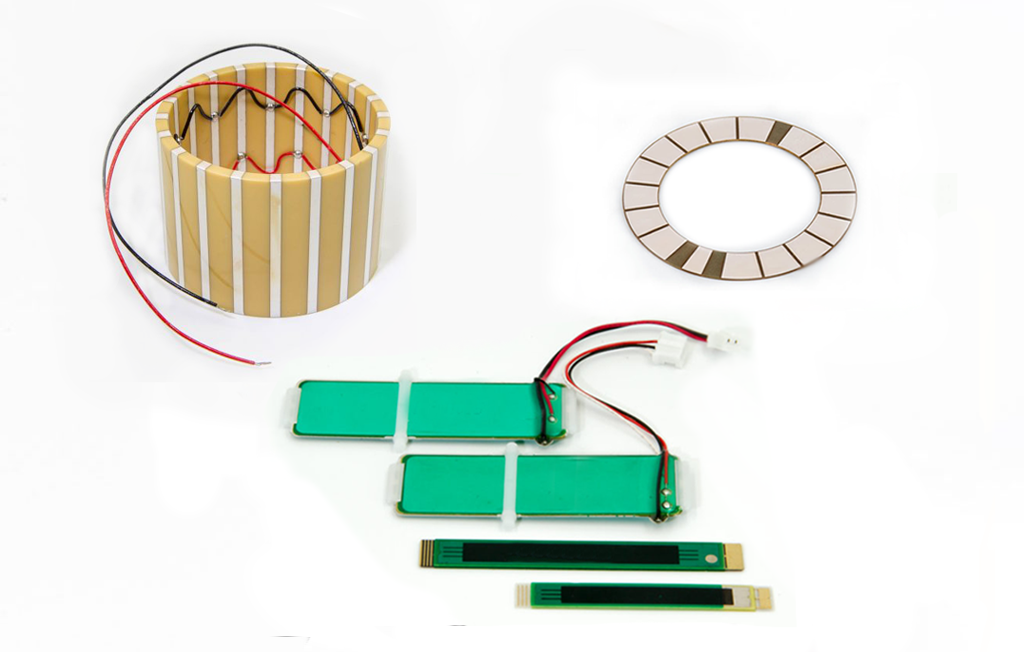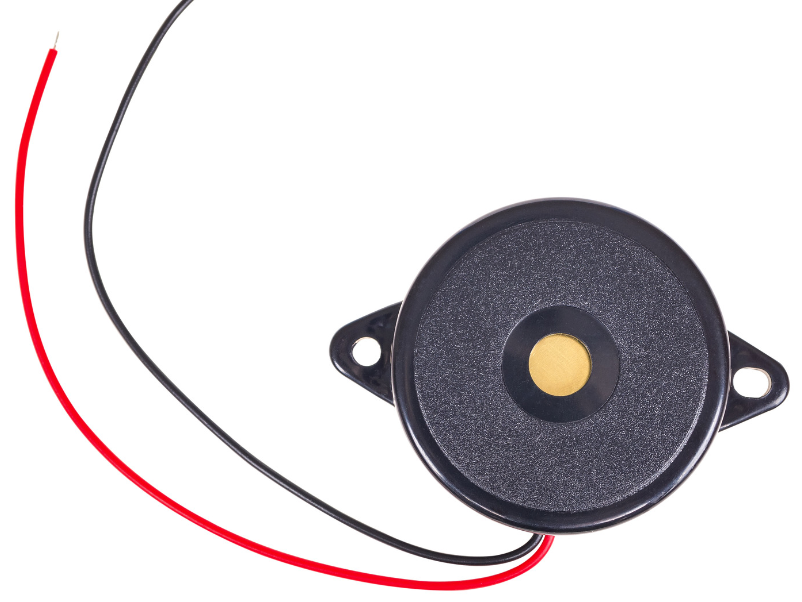
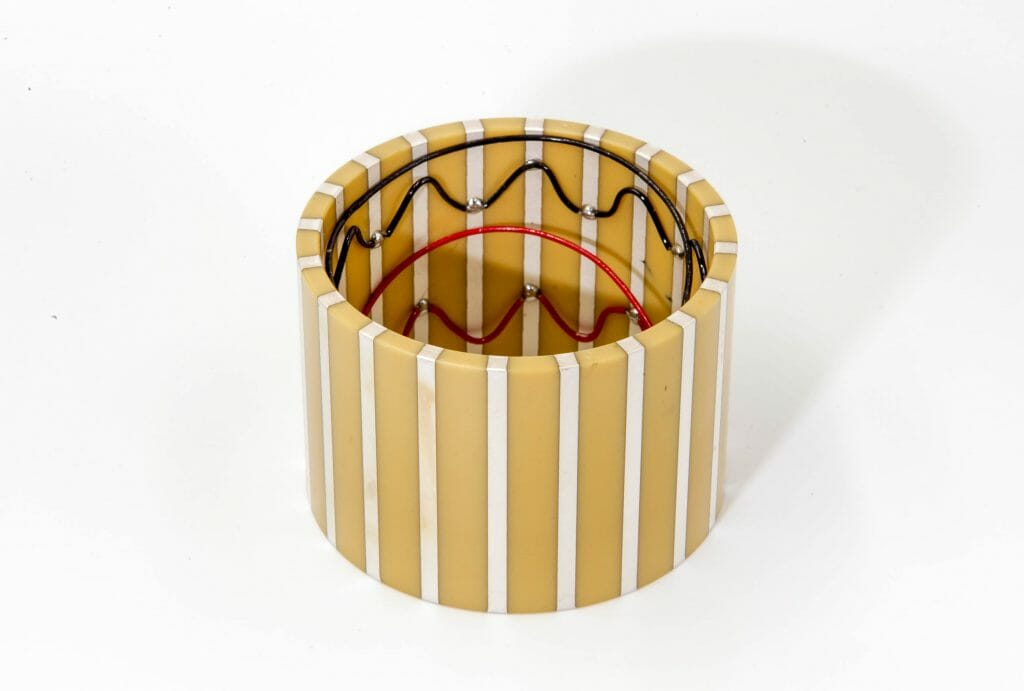
Piezoelectric tubes are pretty neat pieces of technology. They’re basically ceramic cylinders that do something pretty special when you apply electricity to them, or when you put some pressure on them. It’s all thanks to something called the piezoelectric effect.
The Fundamental Piezoelectric Effect
So, what’s this piezoelectric effect? It’s the ability of certain materials to generate an electric charge when you squeeze or stretch them. Think of it like a tiny, built-in generator. When you apply mechanical stress – like pressing down on it – the material creates an electrical voltage. It works the other way around too, which we’ll get to.
How Piezoelectric Tubes Generate Motion
When we talk about piezoelectric tubes, we’re usually talking about using that effect to create movement. You apply a voltage across the electrodes on the tube, and the ceramic material itself changes shape. It expands or contracts just a little bit. Because it’s a tube, this change in shape can cause it to bend or vibrate. This controlled, tiny movement is what makes them so useful for precision tasks. You can control how much it moves and how fast by changing the electricity you send to it.
The Reverse Effect: Generating Electricity
Now, for the other side of the coin. If you physically move or vibrate the piezoelectric tube, it can actually generate electricity. This is the reverse piezoelectric effect. It’s like the material is saying, “Hey, you’re messing with me, so I’m going to make some power!” This property is really interesting for things like energy harvesting, where you can capture vibrations from the environment and turn them into a small electrical current.
Here’s a quick look at the core principles:
- Direct Effect: Mechanical Stress -> Electrical Charge
- Reverse Effect: Electrical Voltage -> Mechanical Deformation
These tubes are built to be tough, too. They can handle some pretty rough conditions, like high temperatures or pressures, which is why you see them popping up in all sorts of industrial settings, not just fancy labs.
Precision Positioning With Piezoelectric Tubes
Piezoelectric tubes are really something else when it comes to getting things exactly where they need to be. Think about it – in industries where even a tiny misstep can cause big problems, having components that can move with incredible accuracy is a game-changer. These tubes, thanks to the piezoelectric effect, can translate electrical signals into super fine mechanical movements. This isn’t just about moving something; it’s about moving it with a level of control that was hard to imagine just a few years ago.
Micro-Movements For Advanced Robotics
Robots are getting more sophisticated, and they need to do more than just big, clunky movements. For tasks like delicate assembly or intricate manipulation, robots need to be able to make adjustments that are almost imperceptible to the human eye. Piezo tubes are perfect for this. They can provide the precise, repeatable micro-movements required for robotic arms to handle tiny components, like those found in advanced electronics or even in the assembly of specialized spray nozzles where exact placement is key.
Enhancing Microscopy Through Fine Control
Looking at the really small stuff requires equally small and precise movements. In microscopy, whether it’s optical or electron, the sample stage needs to be moved with extreme accuracy to focus and scan. Piezoelectric tubes allow microscopes to achieve this fine control, letting researchers zoom in and out or pan across a sample without introducing blur or losing their point of interest. This level of precision is vital for scientific discovery and quality control in material science.
Applications In Precision Manufacturing
When you’re making things that need to be exact, like high-performance spray nozzles, precision is everything. Piezo tubes are finding their way into manufacturing processes where exact positioning is needed. This could be for aligning components during assembly, controlling the path of a laser for cutting or engraving, or even in automated inspection systems that need to place sensors or cameras at very specific points. The ability to achieve nanometer-level positioning makes them invaluable for industries demanding the highest tolerances.
- Fine Adjustment: Making tiny, controlled adjustments to machinery or components.
- Vibration Damping: Some applications use the reverse effect to cancel out unwanted vibrations.
- Automated Alignment: Positioning parts accurately in automated assembly lines.
The consistent and reliable performance of piezoelectric tubes in demanding environments makes them a go-to choice for manufacturers looking to improve accuracy and reduce errors in their production lines. Their compact nature also means they can be integrated into existing machinery without significant redesign.
Piezoelectric Tubes In Medical Diagnostics
Revolutionizing Ultrasound Imaging
Piezoceramic tubes are pretty neat for medical imaging, especially in ultrasound machines. They’re the parts that actually make the sound waves and then listen for them when they bounce back. Think of it like a super-precise echo sounder for your insides. These tubes send out high-frequency sound waves that go into your body, and when they hit different tissues or organs, they bounce back. The tube then picks up these returning waves. By timing how long it takes for the waves to come back, doctors can build detailed pictures of what’s going on inside you. This helps them spot problems and figure out the best way to treat them.
Accurate Blood Flow Monitoring
When it comes to keeping an eye on how blood is moving through your body, piezoceramic tubes are a big help. They can measure blood flow rates very accurately. What’s really good about this is that it can often be done without needing to cut anyone open, which is always a plus. This kind of continuous monitoring is super important for watching patients who might have heart issues or other problems with their circulation. It gives doctors a clear picture of what’s happening and helps them manage conditions like cardiovascular diseases.
Sensitive Pressure Sensing Applications
These little tubes are also used as pressure sensors, and they’re quite sensitive. They can pick up on even small changes in pressure. This is useful for monitoring all sorts of things in the body, like how much pressure is in your lungs when you breathe or the pressure inside your eye. Because they’re so precise, they can give doctors really good data to work with, helping them understand a patient’s condition better and make informed decisions about care.
Therapeutic Innovations Driven By Piezoelectric Tubes
Pocket-sized devices that can precisely deliver medicine or help heal wounds? That’s the kind of stuff piezoelectric tubes are making possible. These little wonders can take a tiny electrical signal and turn it into a very specific, controlled movement. This precision is a game-changer for treatments that need to be exact.
Targeted Drug Delivery Systems
Imagine a treatment where medication goes exactly where it’s needed, and nowhere else. Piezoelectric tubes are making this a reality. They can power tiny pumps or actuators that release drugs in very small, controlled doses. This means less medicine is needed overall, which can cut down on side effects and make treatments more effective. Think about conditions like cancer, where getting chemo right to the tumor site is key. Piezo tubes can help make that happen with incredible accuracy.
Stimulating Tissue Regeneration
When we get injured, our bodies have natural ways to heal. Piezoelectric tubes can actually help speed this up. By applying gentle, controlled vibrations or electrical pulses, these tubes can encourage cells to grow and repair damaged tissue. This is super promising for things like helping bones heal faster or even regenerating skin after a bad burn. It’s like giving your body a little nudge in the right direction to get better.
Advanced Pain Management Devices
Dealing with chronic pain is tough. Piezoelectric tubes are showing up in new devices designed to offer relief. These devices can use the tubes to create specific electrical signals or vibrations that can interrupt pain signals traveling to the brain. Because the tubes are so precise, these devices can be fine-tuned to a patient’s specific needs, offering a more targeted and potentially more effective way to manage pain without relying solely on medication.
Energy Harvesting And Self-Powered Devices
Piezoelectric tubes are really interesting when you think about them as tiny power generators. They can take everyday vibrations and turn them into usable electricity. This opens up a whole world of possibilities for devices that don’t need batteries or a plug.
Harnessing Environmental Vibrations
Think about all the shaking and rattling that happens in the world around us. Machines hum, vehicles move, and even people walk. Piezoelectric tubes can capture this mechanical energy. When a vibration hits the tube, it flexes, and that flexing creates an electrical charge. This is a pretty neat way to get power without doing anything extra. It’s like nature’s own little power plant, just on a much smaller scale. We’re seeing this used in things like self-powered sensors for industrial monitoring. Imagine a sensor on a piece of machinery that never needs its battery changed because it’s powered by the machine’s own vibrations. That’s the kind of efficiency we’re talking about.
Enabling Self-Powered Implants
This is where things get really futuristic, especially in the medical field. For implanted devices, like pacemakers or sensors that monitor internal body functions, battery replacement is a major surgery. Piezoelectric technology offers a way around that. The natural movements within the body – like a heartbeat or breathing – can generate enough energy to power these devices. This means fewer surgeries, less risk for patients, and more reliable long-term monitoring. It’s a game-changer for implantable technology, making it more sustainable and less invasive. The potential for devices that can power themselves indefinitely within the body is huge.
Wearable Technology Integration
Our smartwatches, fitness trackers, and other wearable gadgets are always needing a charge. Piezoelectric tubes could change that. They can be integrated into clothing or accessories to capture the energy from our movements. Every step you take, every swing of your arm, could contribute to powering your device. This would mean less time tethered to a charger and more freedom to use our tech. It’s about making our devices more independent and convenient. Imagine a jacket that charges your phone just by you walking around. That’s the kind of innovation piezoelectric tubes are enabling in the wearable space. It’s a step towards truly self-sufficient personal electronics.

Industrial Applications Of Piezoelectric Tubes
Piezoelectric tubes are showing up in a lot of industrial settings, and for good reason. They’re pretty neat because they can turn electrical signals into really precise movements, or the other way around – turn physical vibrations into electricity. This makes them super useful for tasks that need accuracy and reliability.
Ultrasonic Cleaning Processes
Think about getting tiny, intricate parts perfectly clean. That’s where ultrasonic cleaning comes in, and piezoelectric tubes are the heart of it. These tubes, when an electrical current is applied, vibrate at very high frequencies. These vibrations create sound waves in a cleaning liquid, like water or a special solvent. These sound waves form tiny bubbles that rapidly expand and collapse. This process, called cavitation, creates little implosions that blast away dirt, grease, and other contaminants from surfaces, even in hard-to-reach nooks and crannies. It’s a much more thorough and gentle way to clean delicate items compared to scrubbing.
Precision Welding And Joining
When you need to join materials together, especially plastics or thin metals, with a lot of precision, piezoelectric tubes can help. They’re used in ultrasonic welding machines. The tube generates high-frequency vibrations that are transferred to a welding horn. When this horn presses against the materials, the vibrations create friction and heat right at the interface. This localized heat melts the material just enough for it to fuse together. This method is fast, requires no extra adhesives or fasteners, and creates strong, clean bonds. It’s a big deal in industries like automotive and electronics where components need to be assembled reliably and efficiently.
Acoustic Pickups For Musical Instruments
While maybe not what you first think of for ‘industrial,’ the manufacturing of musical instrument components is definitely an industrial process. Piezoelectric tubes are used as acoustic pickups in instruments like guitars, violins, and even drums. When the instrument vibrates, the piezoelectric material in the pickup senses these vibrations. It then converts that mechanical energy directly into an electrical signal. This signal can then be sent to an amplifier, allowing the instrument’s sound to be heard clearly and at higher volumes. It’s a way to capture the natural sound of an instrument electronically without using microphones that can pick up unwanted background noise.
Here’s a quick look at how they fit into these applications:
| Application | How Piezoelectric Tubes Are Used |
| Ultrasonic Cleaning | Generate high-frequency vibrations to create cavitation for thorough cleaning. |
| Ultrasonic Welding | Produce vibrations that create friction and heat for precise material joining. |
| Acoustic Pickups | Convert instrument vibrations into electrical signals for amplification. |
The ability of piezoelectric tubes to precisely convert electrical energy into mechanical motion, and vice versa, makes them incredibly adaptable for a wide range of industrial tasks that demand accuracy and efficiency.
Design Considerations For Piezoelectric Tubes
When you’re looking at using piezoelectric tubes in your next project, whether it’s for a new type of spray nozzle actuator or something else entirely, there are a few things you’ll want to think about. It’s not just a matter of picking one off the shelf; you really need to consider how it’s going to fit into your specific setup.
Customization For Specific Needs
Piezo tubes aren’t always one-size-fits-all. Often, you’ll need to tweak the dimensions to get them to work just right. This could mean adjusting the length, the diameter, or even how thick the walls are. For instance, if you’re designing a nozzle that needs to atomize liquids with very different viscosities, you might need a piezo tube that can generate a specific frequency or amplitude of vibration. Getting these details right from the start can save a lot of headaches down the line.
Material Selection For Performance
The material the piezo tube is made from really matters. You’ve got different types, like softer ceramics that bend more easily, and harder ones that are more rigid. The choice depends on what you need the tube to do. If you need it to produce a large displacement, a softer material might be better. If you need it to be super precise and stable, even under load, a harder material could be the way to go. You also have to think about the environment it’ll be working in – will it get hot? Will it be exposed to chemicals? These factors influence which material will last and perform best.
Prototyping And Real-World Testing
Before you commit to a big production run, it’s a good idea to build a prototype. This is where you can really see if your design is going to work as planned. You’ll want to test the piezo tube under conditions that are as close as possible to how it will operate in the final product. This means checking its response time, its accuracy, and its durability. Sometimes, what looks good on paper doesn’t quite pan out in practice, and testing helps you catch those issues early.
Making sure the piezoelectric tube integrates well with other components is key. You don’t want it to interfere with sensors or power supplies, and it needs to be robust enough for the intended use.
Here’s a quick look at some common material properties to consider:
| Material Type | Typical Properties | Best For |
| Soft PZT | High displacement, lower stiffness | Applications needing large movement |
| Hard PZT | High stiffness, good stability | Precision positioning, high force |
| Lead-Free Options | Environmental considerations | Eco-conscious designs |
Wrapping Up Piezo Tube Technology
So, we’ve looked at a lot of different ways these piezo tubes are used. From cleaning things with sound waves to helping doctors see inside us with ultrasound, and even making tiny robots move just right, it’s pretty wild. They can also make electricity from vibrations, which is neat for things that need to power themselves. It seems like no matter the job, if it needs precise movement or sensing, these little tubes are often the answer. They’re tough, small, and work well in tricky spots, which is why they keep showing up in new inventions. It’s clear that piezo tube technology isn’t just a niche thing; it’s a solid piece of tech that’s making a real difference across many fields, and it’s likely to stick around and find even more uses down the road.
Frequently Asked Questions
What exactly are piezo tubes and how do they work?
Piezo tubes are small, hollow tubes made from special materials that can change shape when electricity is applied to them. Think of them like tiny muscles that move very precisely. They can also create electricity when they are squeezed or bent.
Why are these piezo tubes so useful in medicine?
They’re great for medical tools because they are super small, can move with amazing accuracy, and don’t create any magnetic interference, which is important around sensitive medical equipment. Plus, they can be made to fit into all sorts of different devices.
Can you give an example of how piezo tubes help doctors see inside the body?
Absolutely! In ultrasound machines, piezo tubes are used to send out and receive sound waves. These waves bounce off your insides, and the tubes help turn those echoes into clear pictures of organs and other body parts.
Are piezo tubes used for treating people, not just looking?
Yes, they are! Piezo tubes can be part of devices that deliver medicine exactly where it’s needed, help regrow damaged tissues, or even create gentle vibrations to help with pain relief. They make treatments more focused and effective.
Can these tubes help power medical devices on their own?
That’s a really cool application! Piezo tubes can capture energy from body movements, like breathing or walking, and turn it into electricity. This means some medical gadgets, especially implants, might not need batteries anymore.
What are the tricky parts about using piezo tubes in medical gear?
One challenge is making sure the materials are safe for the body and can break down naturally if they’re inside you. Scientists are also working on making sure these tubes work perfectly with all the other technology in medical devices and finding ways to make them even better.