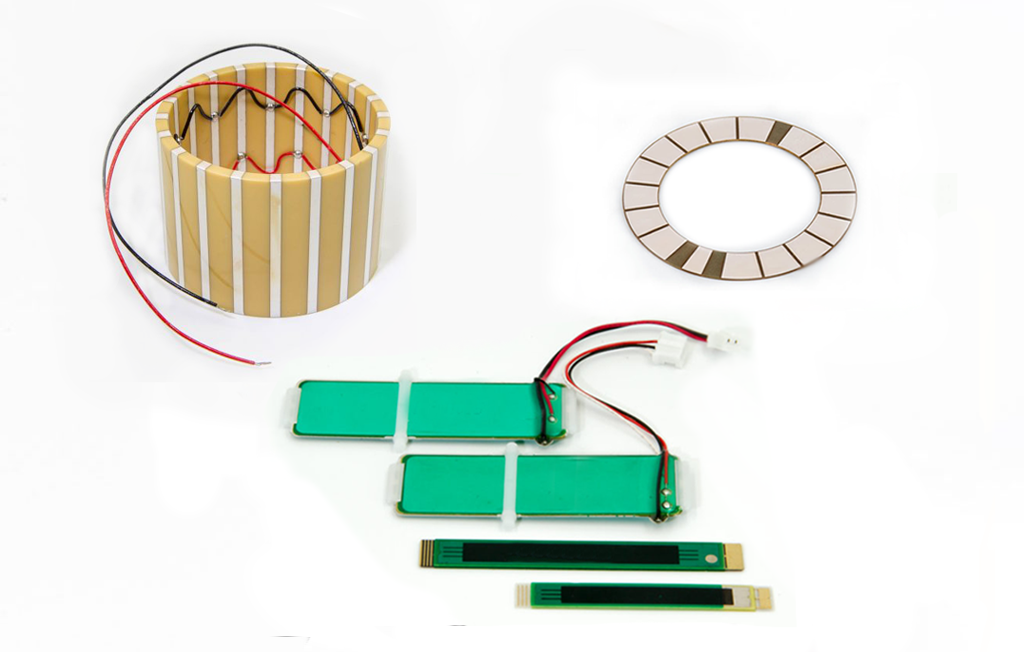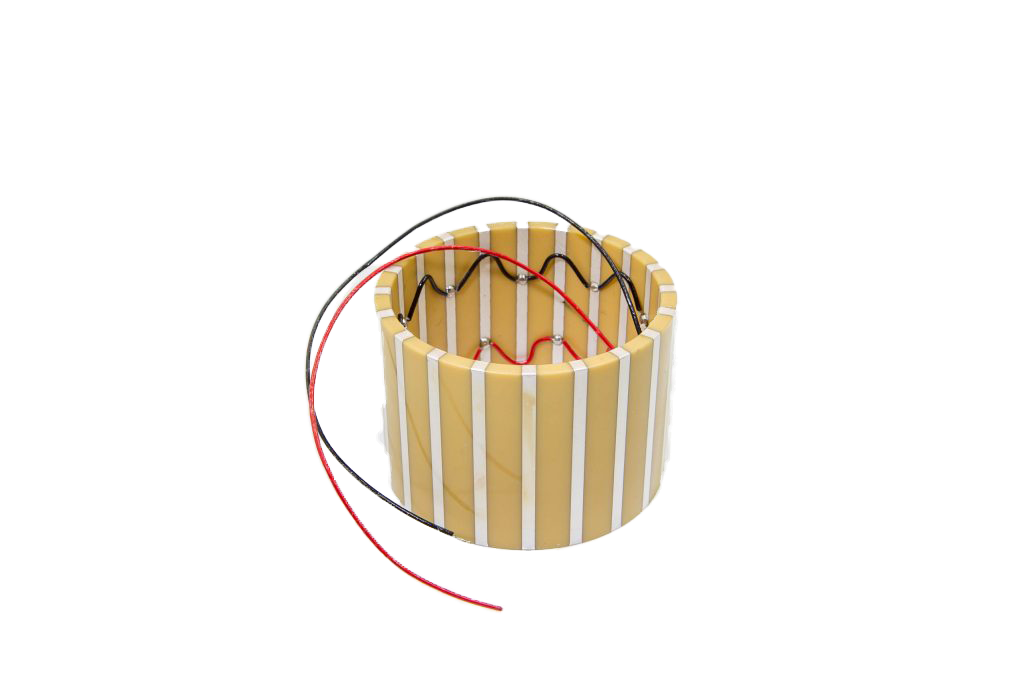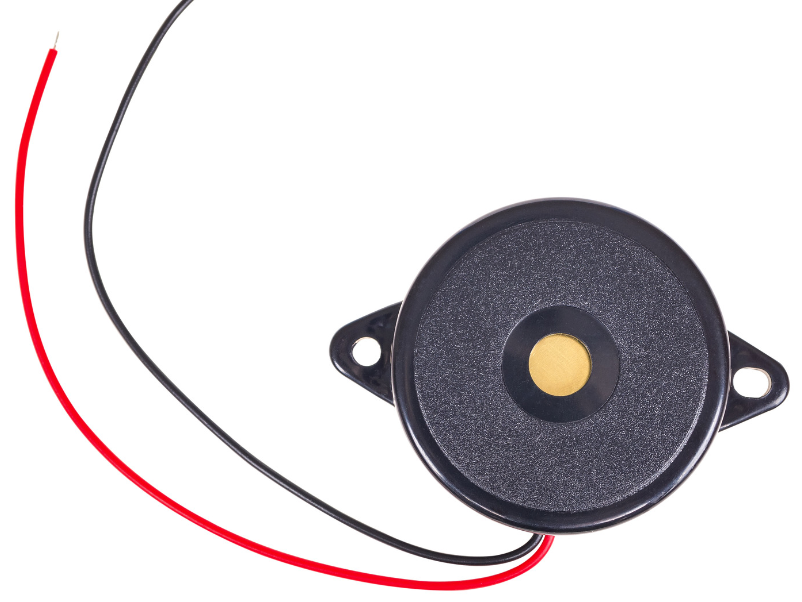
Ultrasonic welding has become an important joining method for manufacturers that require speed, precision, repeatability, and minimal material waste. At the center of this process is the ultrasonic welding transducer, which converts electrical energy into the high-frequency mechanical vibrations needed to create a reliable weld.
Piezo Direct provides high-performance piezoelectric components and customizable transducer solutions for demanding ultrasonic applications. By combining advanced piezoelectric materials with precision manufacturing, Piezo Direct helps equipment designers and manufacturers develop ultrasonic systems that meet application-specific frequency, power, size, and performance requirements.
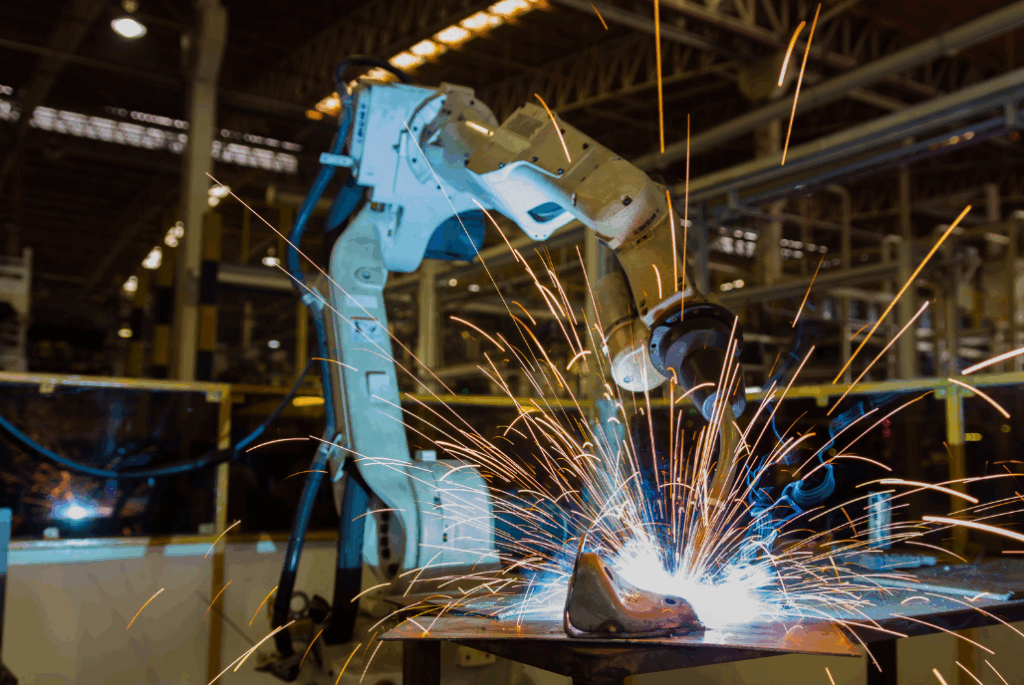
What Is an Ultrasonic Welding Transducer?
An ultrasonic welding transducer is an electromechanical component that converts high-frequency alternating electrical voltage into mechanical vibration. In many welding systems, piezoelectric ceramic elements inside the transducer expand and contract rapidly when exposed to an alternating electrical signal.
These microscopic movements generate ultrasonic vibration at frequencies above the normal range of human hearing. The vibration is then transferred through other parts of the welding assembly, typically including a booster and a welding horn, before reaching the materials being joined.
The ultrasonic welding transducer is therefore one component within a complete welding system. Its performance can directly affect vibration consistency, energy transfer, operating stability, weld quality, and overall system efficiency.
How Piezoelectric Ultrasonic Welding Works
Ultrasonic welding typically uses a sequence of coordinated components:
- A power supply or generator produces a high-frequency electrical signal.
- The ultrasonic transducer converts that signal into mechanical vibration.
- A booster adjusts the vibration amplitude and transfers the energy.
- A welding horn directs the vibration into the workpieces.
- Pressure is applied while the vibration creates localized frictional or intermolecular heating.
- The materials bond without the need for conventional fasteners, adhesives, or external heat sources.
For thermoplastic components, ultrasonic energy creates heat at the interface between the parts. The material softens and forms a bond under pressure. In metal welding applications, vibration can disrupt surface oxides and contaminants, enabling a solid-state bond between compatible materials.
The specific joining process depends on the material, equipment configuration, frequency, amplitude, pressure, weld time, and tooling design.
The Role of Piezoelectric Elements in Ultrasonic Welding Transducers
Piezoelectric ceramic elements are responsible for producing the mechanical vibration within many ultrasonic transducers. These components are often assembled into a preloaded stack and engineered to resonate at a designated operating frequency.
When voltage is applied, the piezoelectric elements change dimension at extremely high speeds. The resulting movement may be small at the individual component level, but the complete transducer assembly concentrates and transfers this vibration into the welding system.
Several characteristics influence the performance of an ultrasonic welding transducer:
- Piezoelectric material composition
- Resonant frequency
- Mechanical quality factor
- Electromechanical coupling
- Component dimensions and tolerances
- Electrical capacitance
- Operating temperature
- Applied voltage
- Mechanical preload
- Transducer and tooling design
Careful selection and manufacturing of the piezoelectric elements can help improve energy conversion, vibration stability, system longevity, and welding consistency.
Benefits of Ultrasonic Welding Technology
Ultrasonic welding offers several advantages for high-volume and precision manufacturing applications.
Fast Joining Cycles
Many ultrasonic welding operations can be completed in a fraction of a second. Short cycle times make the process valuable for automated production lines and applications requiring high throughput.
Precise Energy Delivery
Ultrasonic vibration can be directed toward a specific joint area. This concentrated energy helps reduce unnecessary heating of the surrounding material.
No Adhesives or Mechanical Fasteners
The process can join compatible materials without glue, screws, solder, or other added joining materials. This may simplify product design, reduce component counts, and support cleaner manufacturing processes.
Repeatable Results
When frequency, amplitude, pressure, tooling, and weld time are properly controlled, ultrasonic welding can produce highly repeatable joints.
Automation Compatibility
Ultrasonic welding equipment can be incorporated into automated assembly systems, robotic work cells, and high-speed manufacturing lines.
Cleaner Manufacturing
Because many applications do not require adhesives, solvents, or open heating elements, ultrasonic welding can support clean and efficient production environments.
Common Applications for Ultrasonic Welding Transducers
Ultrasonic welding transducers are used across industries that require dependable, efficient, and repeatable joining.
Medical Devices
Ultrasonic welding can be used in the assembly of filters, diagnostic products, fluid-delivery components, face masks, catheters, and other medical or laboratory devices. The process is particularly useful when clean joints and controlled production are required.
Automotive Components
Automotive manufacturers use ultrasonic welding for plastic housings, interior components, sensors, wire assemblies, lighting systems, filters, and electronic modules.
Consumer Electronics
Ultrasonic welding may be used to assemble electronic enclosures, switches, battery-related components, connectors, small appliances, and other precision products.
Packaging
Packaging applications can include sealing films, containers, tubes, blister packaging, and other thermoplastic materials. Ultrasonic energy can create fast seals without heating the entire package.
Textiles and Nonwoven Materials
Synthetic fabrics and nonwoven materials may be welded, cut, sealed, or bonded using ultrasonic vibration. Applications can include hygiene products, filters, protective equipment, and technical textiles.
Electrical and Battery Components
Ultrasonic metal welding is used in certain wire, terminal, foil, tab, and battery-assembly applications. The process can create conductive connections while limiting bulk heating of the surrounding components.
Ultrasonic Plastic Welding and Ultrasonic Metal Welding
Although both processes use high-frequency mechanical vibration, ultrasonic plastic welding and ultrasonic metal welding operate differently.
In plastic welding, vibration generates localized heat at the joint interface. The thermoplastic material softens and bonds under pressure.
In metal welding, the materials generally remain below their melting temperatures. The vibration and pressure help remove surface films and create intimate contact between the metal surfaces, producing a solid-state bond.
Each process requires a transducer system designed around the application’s material properties, operating frequency, power level, amplitude requirements, and tooling configuration.
Selecting an Ultrasonic Welding Transducer
Choosing the appropriate ultrasonic welding transducer requires more than selecting a standard frequency. The transducer must operate as part of a coordinated system that includes the generator, booster, horn, fixture, and application tooling.
Important considerations include:
- Target resonant frequency
- Required vibration amplitude
- Electrical input and power demand
- Material being welded
- Joint geometry
- Weld cycle duration
- Production volume
- Operating temperature
- Mounting configuration
- Available installation space
- Environmental conditions
- Cooling requirements
- Compatibility with the generator and tooling
A transducer that is not properly matched to the rest of the system may operate inefficiently, produce inconsistent welds, generate excessive heat, or experience premature wear.
Customized Piezoelectric Solutions for Ultrasonic Welding
Ultrasonic welding systems frequently require application-specific piezoelectric components rather than a one-size-fits-all solution. Piezo Direct works with customers to develop piezoelectric products based on their electrical, mechanical, dimensional, and environmental requirements.
Customization options may include:
- Piezoelectric material selection
- Component dimensions
- Electrode configurations
- Frequency targets
- Capacitance requirements
- Mechanical properties
- Surface finishes
- Lead and connection options
- Assembly configurations
- Prototype and production quantities
This engineering flexibility helps original equipment manufacturers and system developers optimize piezoelectric components for integration into ultrasonic welding transducers and related equipment.
Quality and Precision in Ultrasonic Transducer Components
Ultrasonic welding applications place significant demands on piezoelectric materials. Components may be exposed to repeated vibration, electrical stress, mechanical preload, elevated temperatures, and continuous production cycles.
Consistent material properties and dimensional tolerances are therefore essential. Piezo Direct uses controlled manufacturing and testing processes to produce piezoelectric components designed for reliable performance in demanding ultrasonic applications.
Depending on the product and project requirements, evaluation may include dimensional inspection, electrical testing, capacitance measurement, frequency analysis, dielectric testing, and performance validation.
Partner With Piezo Direct
Piezo Direct offers piezoelectric expertise, manufacturing capabilities, and customization support for ultrasonic transducer applications. Whether you are designing a new ultrasonic welding transducer, improving an existing system, or sourcing application-specific piezoelectric components, our team can help identify a solution aligned with your technical requirements.
Our capabilities include:
- Precision piezoelectric manufacturing
- Customized component designs
- Multiple material and configuration options
- Prototype development
- Production-volume support
- Technical and engineering assistance
- Quality-focused testing and inspection
Ultrasonic welding transducers play a critical role in converting electrical energy into the precise mechanical vibration required for efficient material joining. With the right piezoelectric components and system design, manufacturers can achieve faster production cycles, reliable welds, and repeatable performance.
Contact Piezo Direct to discuss customized piezoelectric components for ultrasonic welding transducers and other high-frequency ultrasonic applications.
Frequently Asked Questions
What is an ultrasonic welding transducer?
An ultrasonic welding transducer is an electromechanical component that converts high-frequency electrical energy into mechanical vibration. That vibration is transferred through the welding system to join compatible plastic or metal components.
How do piezoelectric elements work in ultrasonic welding transducers?
Piezoelectric elements expand and contract when exposed to an alternating electrical voltage. At ultrasonic frequencies, this rapid movement creates the mechanical vibration required for the welding process.
What materials can be joined using ultrasonic welding?
Ultrasonic welding is commonly used to join thermoplastic components and certain compatible metals. The appropriate process depends on the material properties, joint design, operating frequency, amplitude, pressure, and tooling configuration.
What industries use ultrasonic welding transducers?
Ultrasonic welding transducers are used in medical device manufacturing, automotive production, consumer electronics, packaging, battery assembly, electrical components, textiles, and other precision manufacturing applications.
Does Piezo Direct manufacture complete ultrasonic welding machines?
Piezo Direct specializes in piezoelectric components and customizable transducer solutions used within ultrasonic systems. The company can support application-specific requirements such as material selection, component dimensions, frequency targets, capacitance, electrode configurations, and production quantities.