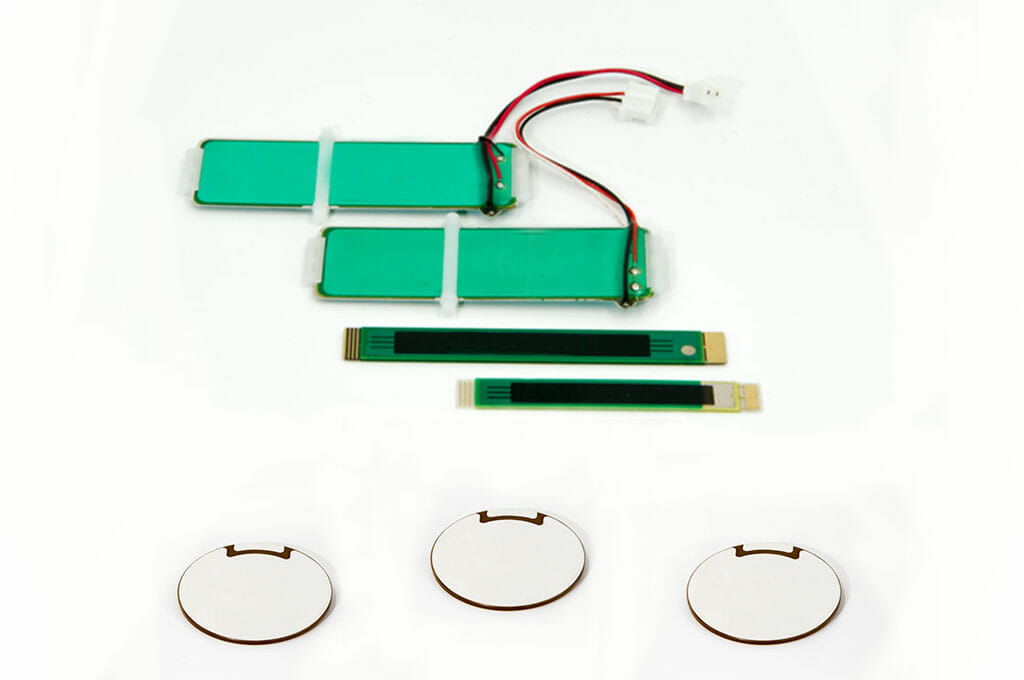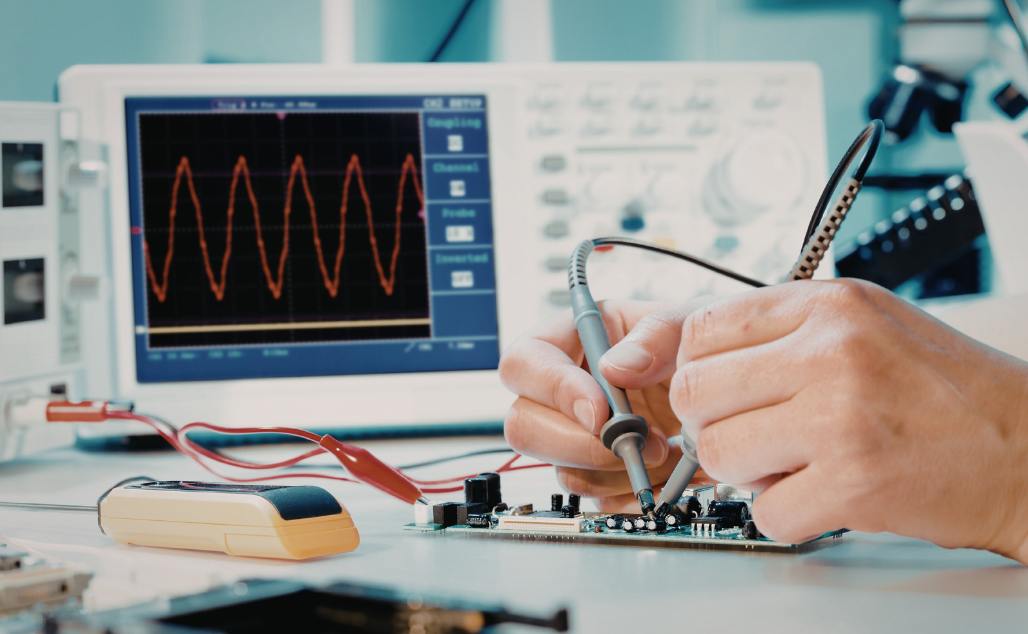
Ultrasonic piezo transducers are pretty neat devices. They take electrical energy and turn it into vibrations, specifically sound waves that are too high for us to hear. Think of them as tiny, super-fast hammers that can do a lot of work. These vibrations are the key to how they operate in various industrial settings, from cleaning delicate parts to helping create images inside the human body.
What Are Ultrasonic Piezo Transducers?
At their core, ultrasonic piezo transducers are components that convert electrical signals into mechanical vibrations at frequencies above 20 kHz. This is well beyond the upper limit of human hearing. The magic happens because of the piezoelectric effect, a property found in certain materials. When you apply an electric field to these materials, they deform. Conversely, when they are mechanically deformed, they generate an electric charge. Transducers use this principle to create high-frequency sound waves. These waves are then used for a variety of tasks, like cleaning, sensing, and even creating motion.

The Core Technology Behind Piezoelectric Transducers
The heart of a piezoelectric transducer is the piezoelectric material itself. Common materials include ceramics like lead zirconate titanate (PZT) or quartz crystals. These materials have a specific crystal structure that allows them to exhibit the piezoelectric effect. A typical transducer might have a layered structure:
- Piezoelectric Layer: This is where the actual conversion of electrical energy to mechanical vibration (and vice-versa) happens.
- Backing Layer: This layer absorbs the vibrations from the back of the piezoelectric element, preventing unwanted echoes and improving the directionality of the sound waves.
- Matching Layer: This is a critical component. The acoustic impedance of the piezoelectric material is usually much higher than the medium it’s interacting with (like water or air). A matching layer, typically a quarter-wavelength thick, helps to reduce the impedance mismatch, allowing more sound energy to transfer into the medium. This is similar to how a specialized nozzle can create a specific spray pattern for applications like industrial cleaning.
High-Frequency Sound Wave Applications
These high-frequency sound waves are incredibly versatile. In cleaning applications, they generate tiny bubbles in a liquid. When these bubbles collapse, they create powerful micro-jets that can dislodge contaminants from surfaces. This is why ultrasonic cleaning is so effective for intricate parts.
The ability to generate and control high-frequency vibrations makes these transducers suitable for tasks requiring precision and efficiency, often in environments where traditional mechanical methods might be too harsh or ineffective.
Beyond cleaning, these transducers are used in:
- Sensing: Measuring distances, detecting objects, and monitoring fluid levels.
- Medical Imaging: Creating detailed internal images of the body without invasive procedures.
- Actuation: Driving small, precise motors for robotics and other automated systems.
Their ability to operate at high frequencies and their compact nature make them suitable for a wide array of advanced industrial uses, including specialized spray applications where precise atomization is key.
Key Applications of Ultrasonic Piezo Transducers
Ultrasonic piezo transducers are not just for fancy medical equipment; they’re showing up in a lot of industrial settings where precision and power are needed. Think about tasks that require really fine control or the ability to clean things thoroughly without harsh chemicals. These little devices are making a big difference.
Precision Cleaning with Ultrasonic Transducers
When you need to get something spotlessly clean, especially intricate parts or delicate materials, ultrasonic cleaning is a game-changer. The transducer creates high-frequency sound waves that make tiny bubbles in a cleaning liquid. When these bubbles pop, they create little bursts of energy that scrub away dirt, grease, and other contaminants. This method is super effective for things like cleaning sensitive electronic components or medical instruments where you can’t afford any residue.
- Cavitation effect: The formation and collapse of microscopic bubbles generate powerful cleaning action.
- Gentle yet effective: Cleans without abrasive contact, protecting delicate surfaces.
- Thorough penetration: Reaches into tiny crevices and complex geometries that manual cleaning can’t.
Advanced Sensing Capabilities
Piezo transducers are also fantastic for sensing. They can detect changes in pressure, distance, or even the presence of objects by sending out and receiving ultrasonic pulses. This makes them useful in all sorts of monitoring systems. For example, they can be used to measure the fill level in tanks or detect obstacles in automated systems. Their ability to work without physical contact is a big plus in many industrial environments.
Revolutionizing Medical Imaging
While this article is focused on industrial uses, it’s worth noting how important these transducers are in medical ultrasound. They convert electrical signals into sound waves that travel through the body and then convert the returning echoes back into images. This non-invasive technology allows doctors to see inside the body without surgery. The ongoing development in piezoelectric materials is leading to even clearer images and new diagnostic possibilities.
Efficient Ultrasonic Motors
Ultrasonic motors are another area where piezo transducers shine. They use vibrations to create motion, offering some unique advantages over traditional motors. These motors can be very small, highly precise, and don’t generate much heat. This makes them ideal for applications where space is limited or where exact positioning is critical, like in robotics or automated assembly lines. They’re quiet and can hold their position very well, which is a big deal in precision manufacturing.
The versatility of ultrasonic piezo transducers means they are finding their way into more and more specialized industrial tasks. From ensuring the cleanliness of critical components to enabling precise movements in automated machinery, their impact is significant and growing.
Material Science and Transducer Performance
The materials used in ultrasonic piezo transducers really make a big difference in how well they work. Think about it like choosing the right metal for a high-pressure spray nozzle – the material has to handle the job. For transducers, we’re looking at things like how they convert electrical energy into sound waves and back again. This conversion efficiency is key, and it’s directly tied to the material’s properties.
The Impact of Environmental Factors on Materials
Materials in transducers can be affected by their surroundings. Temperature changes, humidity, and even physical stress can alter how a transducer performs. For instance, extreme heat might cause some materials to expand, changing the frequency at which they vibrate. This is something to consider, especially if your application involves harsh industrial environments where consistent performance is a must. We need materials that can hold up.
Advancements in Piezoelectric Compounds
Researchers are always working on new piezoelectric compounds. Traditionally, materials like lead zirconate titanate (PZT) have been common because they offer good performance. However, there’s a growing push for lead-free alternatives due to environmental concerns. New compounds are being developed that aim to match or even exceed the performance of PZT, while being safer. These advancements are important for creating more sustainable and effective transducers.
Exploring New Materials for Enhanced Performance
Beyond just lead-free options, scientists are looking at a whole range of new materials. Composites, which blend different materials together, are showing a lot of promise. For example, combining piezoelectric ceramics with polymers can create materials that are more flexible and have a broader operating bandwidth. This means they can handle a wider range of frequencies and potentially generate stronger ultrasonic signals. The goal is to find materials that offer better energy conversion, durability, and a wider range of applications, much like how different alloys are used for specialized spray nozzles.
Integrating Ultrasonic Piezo Transducers
Overcoming System Integration Challenges
Putting ultrasonic piezo transducers into existing setups can be a bit of a puzzle. It’s not just about plugging them in; you have to think about how they’ll play with other parts of your system. For instance, in industrial cleaning tanks, making sure the transducer’s vibration pattern works well with the tank’s shape and the fluid dynamics is key. You don’t want dead spots where dirt just hangs out. It often means tweaking the placement and sometimes even the angle of the transducer. Engineers need to consider the acoustic environment as much as the electrical one. This involves understanding how the sound waves will travel and interact with the materials and liquids involved. It’s a bit like tuning a musical instrument – you need everything to be just right for the best sound, or in this case, the best cleaning or sensing action.
Power Consumption and Size Considerations
When you’re designing a new piece of equipment or upgrading an old one, how much power something uses and how big it is always come up. Ultrasonic piezo transducers are generally pretty good on power, especially compared to older technologies. But, if you’re looking at a system with a lot of them, like a large cleaning bath or a complex sensor array, that power draw can add up. You have to balance the need for strong ultrasonic output with the limits of your power supply. Size is another factor. While many transducers are quite small, fitting them into tight spaces, like inside a handheld medical device or a compact industrial sensor, requires careful planning. Sometimes, you might need to choose a transducer with a slightly different frequency or power output just to make it fit.
Standardization for Wider Adoption
It would make life a lot easier if there were more standard ways to connect and control these transducers. Right now, different manufacturers might use slightly different connectors or require specific signal types. This can make it tricky to swap out a transducer or integrate one from a new supplier. Having common interfaces and communication protocols would really speed things up for designers and manufacturers. It means less custom work and more off-the-shelf solutions that just work. Think about how USB ports became standard for so many devices – it made everything simpler. A similar move towards standardization in the ultrasonic piezo transducer world could really help push these technologies into even more applications across different industries.
Selecting and Utilizing Piezo Transducers
Picking the right ultrasonic piezo transducer for your job can feel a bit like choosing the right tool from a big toolbox. You wouldn’t use a hammer to screw in a bolt, right? It’s kind of the same here. You need to think about what you’re trying to do and what conditions the transducer will be working in. It’s not just about picking one that looks good; it’s about matching its capabilities to your specific needs.
Choosing the Right Transducer for Your Needs
When you’re looking for a transducer, there are a few things to keep in mind. First off, what frequency are you working with? Different applications need different frequencies to work best. For instance, cleaning often uses lower ultrasonic frequencies, while some sensing tasks might need higher ones. Then there’s the power output. How much ‘oomph’ does your application need? A transducer for a small cleaning bath will be different from one used in a large industrial setup. Also, consider the environment. Will it be exposed to moisture, high temperatures, or chemicals? The materials and construction of the transducer need to hold up.
Here’s a quick rundown of factors to consider:
- Frequency Range: Does it match your application’s sonic requirements?
- Power Output: Can it generate the necessary acoustic energy?
- Operating Environment: Can it withstand temperature, humidity, and chemical exposure?
- Beam Pattern: Do you need a focused beam or a wider dispersion of sound?
- Size and Form Factor: Will it fit within your existing system design?
Customization for Unique Requirements
Sometimes, off-the-shelf isn’t good enough. Maybe you have a really specific size constraint, or you need a transducer that can handle extreme temperatures that standard models just can’t. That’s where customization comes in. Working with a manufacturer that can tweak designs, change materials, or even build something completely new for you can make all the difference. It might involve adjusting the resonant frequency, modifying the housing, or selecting special piezoelectric materials to get the performance you need. It’s about getting that perfect fit for your advanced application.
Customization isn’t just about making something fit; it’s about optimizing performance for your exact use case. It means getting the most out of the technology without compromise.
Leveraging Expert Support for Optimal Results
Don’t be afraid to ask for help. The companies that make these transducers usually have engineers who know their stuff inside and out. They can help you figure out which transducer is best, explain the technical specs, and even guide you through the integration process. They’ve seen a lot of different applications and can often point out potential issues you might not have thought of. Getting their input early on can save you a lot of headaches and make sure your project is a success. It’s like having a knowledgeable friend who’s been there before.
For example, if you’re designing a new ultrasonic cleaning system, an expert could advise on:
- The optimal transducer array configuration for uniform cleaning.
- The best frequency and power settings for removing specific contaminants.
- How to manage heat dissipation in a high-power setup.
- Potential issues with cavitation in your cleaning fluid.
- Recommendations for mounting and sealing the transducers.
The Future of Ultrasonic Piezo Transducer Technology
The world of ultrasonic piezo transducers is always moving forward. It feels like every few months, there’s some new development that makes these devices even more capable. For industries that rely on precise sound wave technology, like those using advanced spray nozzles, keeping up with these changes is pretty important.
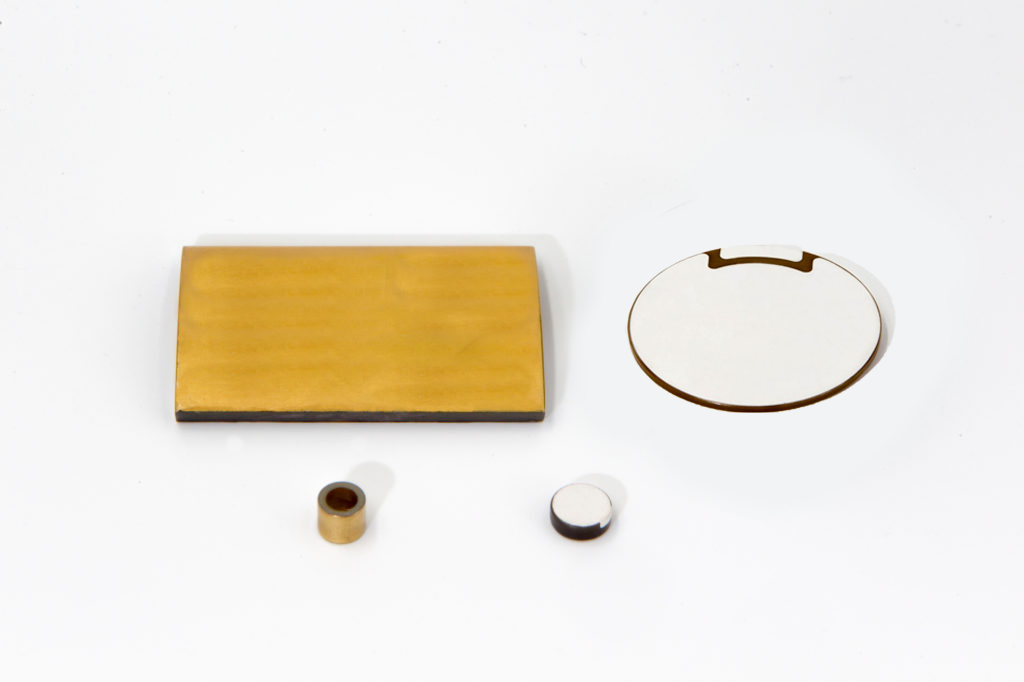
Miniaturization and Array Designs
One big trend is making these transducers smaller. Think about it: smaller components mean you can fit more of them into a given space. This is leading to the development of transducer arrays. Instead of one big transducer, you have many small ones working together. This allows for much more control over the sound waves, like focusing them more precisely or creating complex patterns. For applications like targeted cleaning or highly specific material processing, this level of control is a game-changer. Imagine being able to direct ultrasonic energy exactly where it’s needed, without affecting surrounding areas. This is becoming a reality, and it’s opening up new possibilities for how we use ultrasonic technology in industrial settings.
Integration of New Technologies
We’re also seeing a lot of new technologies being combined with piezo transducers. Things like 3D printing are making it easier to create custom transducer shapes and structures that were impossible before. Flexible electronics are allowing transducers to be integrated into curved surfaces or even wearable devices, though that’s more on the medical side for now. Artificial intelligence is starting to play a role too, helping to optimize transducer performance and design. This means we can get more out of existing materials and designs, pushing the boundaries of what’s possible. For example, AI could help optimize the frequency and power output for a specific cleaning task, making it more efficient than ever before.
The Drive for Non-Toxic and High-Performance Materials
There’s a growing push to develop new materials for these transducers. The goal is twofold: make them perform better and make them safer for the environment. Researchers are looking for materials that can handle extreme temperatures or harsh chemicals without degrading, which is important for many industrial applications. At the same time, there’s a focus on finding alternatives to some of the more toxic materials currently used. The development of new, non-toxic piezoelectric compounds with superior performance is a major research area. This will not only make manufacturing processes safer but also lead to more reliable and longer-lasting transducers. Finding materials that offer high piezoelectric properties without environmental drawbacks is key to the next generation of ultrasonic technology. For instance, advancements in materials could lead to transducers that are more robust in corrosive environments, reducing the need for frequent replacements in demanding applications like those found in the chemical processing industry. This focus on material science is critical for the continued evolution and widespread adoption of ultrasonic piezo transducers across various sectors.
Wrapping Up
So, we’ve looked at how these ultrasonic piezo transducers work and why they’re showing up in so many different gadgets and machines. From cleaning your jewelry to helping doctors see inside the body, these little things are pretty amazing. They turn electricity into vibrations, and those vibrations do a lot of useful work. It’s not always straightforward, though; sometimes the materials can be tricky, and getting them to fit into existing tech takes some smart engineering. But as the technology keeps getting better, we’re seeing them used in even more advanced ways. Keep an eye out, because these transducers are likely to play a bigger role in the tech we use every day.
Frequently Asked Questions
What exactly is an ultrasonic piezo transducer?
Think of it like a tiny speaker that works with super-high sound waves, too high for us to hear! It takes electricity and turns it into vibrations, or vice versa. These vibrations are super useful for many things, like cleaning tiny parts or making detailed medical pictures.
How do these transducers help with cleaning?
When used in cleaning gadgets, they make these super-fast vibrations in a liquid. This creates tiny bubbles that pop and scrub away dirt and grime from surfaces, even in hard-to-reach spots. It’s like a super-powered, microscopic scrub brush!
Can these transducers be used in medical equipment?
Absolutely! They are a key part of ultrasound machines that doctors use to see inside the body without surgery. They send sound waves in and listen to them bounce back, creating images of organs and other body parts.
Are there different kinds of these transducers?
Yes, there are! They can be made from different materials and designed in various ways to work best for specific jobs. Some are great for cleaning, others for sensing things, and some are used in special motors that need very precise movements.
What makes choosing the right transducer tricky?
Well, sometimes the environment where you want to use them can affect how well they work, like if it’s very hot or humid. Also, fitting them into existing machines can be a challenge because of their size or how much power they need. Engineers have to be clever about this!
What’s new and exciting in the world of these transducers?
Scientists are working on making them even smaller and creating groups of them that work together. They’re also looking for new, safer materials that work even better and are kinder to the environment. Plus, new technologies like 3D printing are helping create amazing new designs.