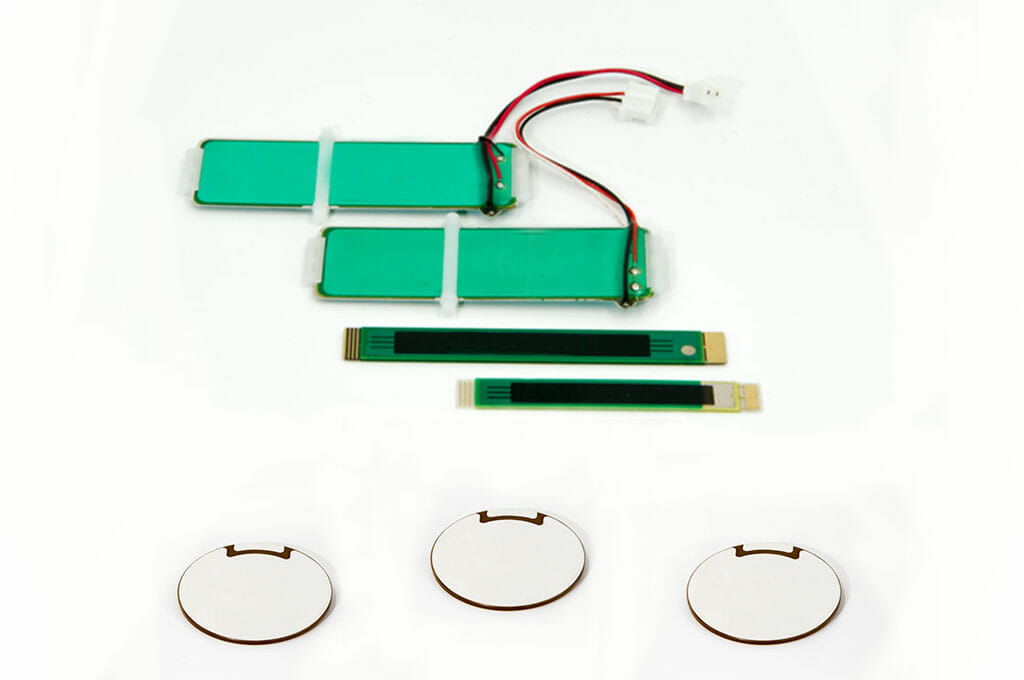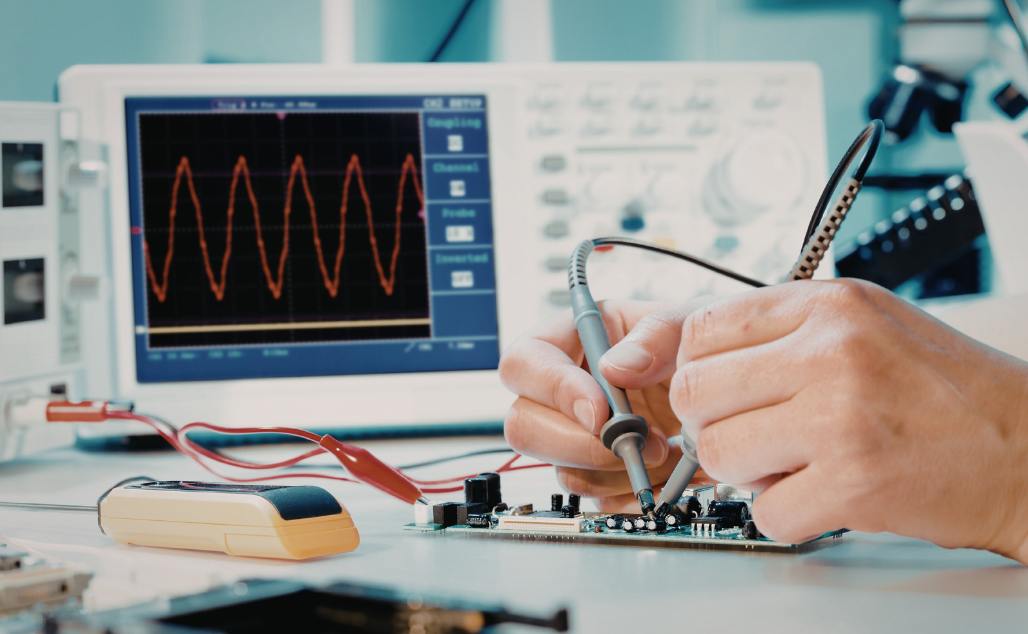
Atomizing transducers are pretty neat devices that take a liquid and turn it into a super fine mist. Think of it like a really, really tiny showerhead for liquids. The magic happens through a process called atomization, where the liquid is broken down into incredibly small droplets. This isn’t just for show; it’s super useful in a lot of industrial settings.
The Science Behind Microdroplet Generation
The core idea is to create a spray with droplets so small they can behave in unique ways. This is usually achieved by forcing a liquid through a very small opening or by using vibrations. The goal is to get the surface tension of the liquid to break down, allowing it to form these tiny spheres. The size of these droplets is a big deal and affects how the spray behaves, how it interacts with surfaces, and how it can be used in different processes. The smaller the droplets, the larger the total surface area for a given volume of liquid. This increased surface area is key for applications like rapid evaporation or efficient chemical reactions.
Key Components of an Atomizing Transducer
Most atomizing transducers have a few main parts. You’ve got your liquid inlet, where the fluid comes in. Then there’s the part that actually does the atomizing – this could be a nozzle with a tiny orifice or a vibrating element, like a piezoelectric transducer. Sometimes, a gas is used to help break up the liquid, which means you’ll also have a gas inlet and a way for the gas and liquid to mix. Finally, there’s the outlet where the mist comes out. The design of these components, especially the nozzle or vibrating surface, really dictates the droplet size and spray pattern. For example, some systems use a coaxial design where gas flows around the liquid stream to help atomize it more effectively. This is a common setup in sonic spray atomizers [5baf].
Factors Influencing Droplet Size and Distribution
Several things can change how big the droplets are and how they spread out. The properties of the liquid itself play a role – things like viscosity and surface tension. A liquid that’s thicker or has higher surface tension will generally produce larger droplets. The pressure you’re using to push the liquid through is also important; higher pressure usually means smaller droplets. If gas is involved, the gas flow rate and pressure are major factors. The geometry of the transducer, like the size of the opening or the distance between different parts, matters a lot too. For instance, in sonic spray atomization, the distance between the inner and outer capillary outlets and the gas flow pressure are the most sensitive parameters affecting droplet size. Even the type of gas used can make a difference.
Here’s a quick look at some common factors:
- Liquid Properties: Viscosity, surface tension, density.
- Operating Parameters: Liquid flow rate, gas pressure, gas flow rate.
- Transducer Design: Orifice diameter, capillary spacing, vibrating element frequency.
Understanding these factors is key to getting the spray performance you need for your specific industrial application. It’s not just about making mist; it’s about making the right kind of mist.
Controlling these variables allows for precise manipulation of the spray characteristics, which is vital for applications ranging from chemical analysis to advanced material deposition. The ability to fine-tune droplet size and distribution opens up a lot of possibilities for process optimization and innovation in various industries.
Diverse Applications of Atomizing Transducers
Mass Spectrometry Interfaces
Atomizing transducers are really useful for mass spectrometry. They help turn liquid samples into a fine mist of charged particles that the mass spectrometer can then analyze. One common way this is done is through sonic spray ionization. In this setup, a liquid flows through a small tube, and a gas is pushed around it. This makes a spray of tiny droplets. These droplets are then easily ionized and sent into the mass spectrometer. The size of these droplets matters a lot for how well the mass spec works. Things like the gas pressure and how the tubes are lined up can change the droplet size. Getting the right droplet size means you can detect more things accurately.
Chemical Analysis and Microdroplet Chemistry
Beyond just mass spec, these atomizers are great for studying chemistry in small droplets. Think about it: a tiny droplet has a lot of surface area compared to its volume. This means reactions can happen faster. Researchers use atomizers to create these microdroplets for all sorts of experiments. For example, they can study how certain chemicals react when they’re in these small water droplets. Sometimes, just spraying water can create reactive molecules, like those found in air pollution. This is pretty neat because it means we can learn about chemical processes that happen naturally in the environment, like in clouds or fog. It’s also being looked at for breaking down tough pollutants.

Drug Delivery Systems
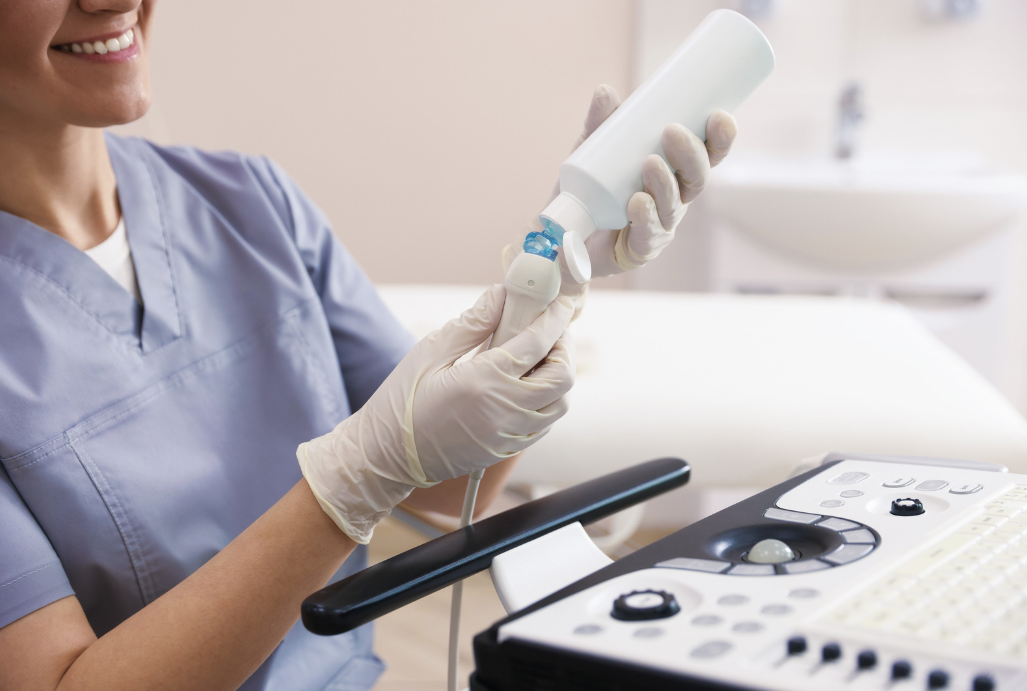
Atomizing transducers also have a role in medicine, specifically in how drugs are delivered. Imagine a device that can spray medication directly into the lungs or as a fine mist for the skin. Atomizers can create these very fine mists, which means the medication can get into the body more effectively. This is a big deal for treatments where you want the drug to act quickly or reach specific areas. The ability to control the size of the droplets is key here. Smaller droplets can go deeper into the lungs, for instance. This technology is still developing, but it holds promise for making drug treatments more efficient and less invasive.
Advanced Atomizing Transducer Techniques
Sonic Spray Atomization
Sonic spray atomization is a method that generates microdroplets without needing high voltages, heat, or lasers. It works by pushing a liquid through a small inner tube while a gas flows under pressure through an outer tube surrounding it. This setup creates a stream of tiny liquid droplets. The size and distribution of these droplets are really important for many uses, and they can be changed by adjusting things like the gas pressure and how far apart the inner and outer tubes are at their tips.
- Key factors influencing droplet size:
- Nebulizing gas pressure
- Distance between capillary outlets
- Liquid flow rate
- Liquid properties (viscosity, surface tension)
Electrospray Ionization Principles
Electrospray ionization (ESI) is a technique where a liquid is sent through a thin tube, often called a capillary, that has a high electrical voltage applied to it. This voltage causes the liquid to break up into very small, charged droplets. These charged droplets then travel towards a detector, like a mass spectrometer. The intense electric field at the surface of these charged microdroplets plays a key role in ionizing neutral molecules in the surrounding gas. While often associated with generating charged droplets, research shows that even positively charged water microdroplets can ionize neutral species, likely through electron loss facilitated by the strong electric field at the liquid-gas interface.
Laser Ablation Electrospray Ionization
Laser ablation electrospray ionization (LAESI) combines laser technology with electrospray principles. In this method, a laser beam is focused onto a sample surface. This laser energy causes molecules from the surface to vaporize and ionize. Simultaneously, a spray of liquid droplets is directed at the same spot. These droplets capture the ionized molecules from the sample. The captured molecules are then carried by the droplets to a mass spectrometer for analysis. This technique is useful for imaging samples at a high resolution and detecting very small amounts of substances, even directly from live cells without causing damage.
This approach allows for the direct analysis of complex samples by capturing and transporting ionized species generated by laser ablation into a mass spectrometer, offering high sensitivity and spatial resolution for imaging applications.
Optimizing Atomizing Transducer Performance
Getting the right mist from your atomizing transducer isn’t just about having the technology; it’s about fine-tuning it. Several factors play a big role in how well these devices work, especially when you need a very specific droplet size or distribution. Let’s look at what makes a difference.
Geometry and Gas Flow Pressure Effects
The physical setup of the transducer, particularly the relationship between the inner and outer capillary outlets, is really important. When using a sonic spray setup, for instance, the distance between these outlets can significantly impact droplet size. The closer the outlets, generally the smaller the droplets.
Gas flow pressure is another major player. Higher gas pressure tends to break up the liquid stream more effectively, leading to finer mists. Think of it like blowing harder on a stream of water it breaks into smaller droplets. The interplay between the geometry and the gas pressure is key to controlling the atomization process.
Controlling Droplet Size with Flow Rates
While geometry and gas pressure are big, the liquid flow rate also matters. However, its impact can change depending on other settings. In some configurations, like when the capillary outlets are very close together (zero separation distance), the liquid flow rate has less influence on the final droplet size. This can be a good thing for consistency.
Here’s a general idea of how flow rates can affect things:
- Low Liquid Flow Rate: Might lead to less stable streams, potentially affecting droplet uniformity.
- Medium Liquid Flow Rate: Often provides a good balance for consistent droplet generation.
- High Liquid Flow Rate: Can sometimes lead to larger droplets if not managed with sufficient gas pressure.
The Role of Capillary Outlet Spacing
As mentioned, the spacing between the inner and outer capillary outlets is a critical parameter. When this gap is zero (i.e., the outlets are flush), the atomization process is often most efficient, resulting in the smallest and most uniform microdroplets. Increasing this separation distance can lead to larger droplets and a broader size distribution. This is because the liquid stream has more space to develop and break up less predictably as it interacts with the nebulizing gas.
Fine-tuning the physical arrangement of the transducer components, especially the capillary outlets and managing gas flow, is paramount for achieving desired mist characteristics. Small adjustments can lead to significant changes in droplet size and distribution, impacting the effectiveness of the application.
Emerging Roles for Atomizing Transducers
Catalysis in Microdroplets
Atomizing transducers are opening up new avenues in catalysis, particularly by creating unique reaction environments within microdroplets. These tiny droplets can act as miniature reactors, offering benefits like increased surface area and controlled reaction conditions. For instance, research has shown that spraying solutions containing ammonia can lead to the formation of nitrate and hydrogen gas through a process involving radicals generated at the liquid-solid interface. This happens without any external electrical input, relying instead on contact electrification. The process can even be boosted with UV light, showing how external factors can influence catalytic outcomes in these small volumes.
- Enhanced reaction rates: The high surface-to-volume ratio in microdroplets can speed up reactions.
- Controlled environments: Droplet size and composition can be precisely managed.
- Radical generation: Microdroplets can facilitate the formation of reactive species for specific chemical transformations.
Environmental Monitoring Applications
The ability of atomizing transducers to generate fine mists and analyze their composition is proving useful for environmental applications. Studies have explored the degradation of persistent pollutants like PFASs using microdroplets. By employing reagents like persulfate or Fenton’s reagent within these droplets, significant degradation efficiencies have been achieved in very short timeframes, even under ambient conditions. This suggests a potential for rapid, localized treatment of contaminants. Furthermore, research into the air-water interface chemistry within microbubbles has revealed pathways for converting greenhouse gases like CO2 into useful organic compounds, offering a glimpse into future carbon capture and utilization technologies.
The unique conditions within microdroplets, such as high surface area and localized energy input, allow for chemical reactions that are difficult to achieve in bulk solutions. This is particularly relevant for breaking down stubborn pollutants or converting waste gases.
Biomedical Sensing and Analysis
In the biomedical field, atomizing transducer technology is finding roles in sensing and analysis. The precise generation of microdroplets is key for techniques that require controlled sample introduction, such as mass spectrometry interfaces. Beyond analysis, the principles behind microdroplet chemistry are being explored for their potential in understanding cellular organization. Biomolecular condensates, which are like tiny droplets within cells, create distinct chemical and electrochemical environments. Understanding these environments could shed light on how cellular processes are organized and modulated, potentially leading to new diagnostic or therapeutic strategies. The ability to generate specific droplet sizes and compositions is also being investigated for targeted drug delivery systems, where precise control over the payload and its release is paramount.
The Physics of Atomization Transducers
Electric Field Effects on Microdroplets
When liquids are atomized, especially through methods like electrospray or sonic spray, the resulting microdroplets can develop significant electric fields. This isn’t just a minor detail; it actually plays a big role in how these tiny droplets behave and interact. Think about it: you’re breaking a bulk liquid into millions of tiny pieces, and charges can get separated during this process. This separation leads to an electric field forming, particularly at the surface of the microdroplets.
The strength of these electric fields can be quite substantial, often reaching magnitudes of 10^7 V/cm. This intense field can influence the orientation of molecules within the droplet, especially those with polar characteristics. It’s like having a tiny, powerful magnet inside each droplet, dictating how certain molecules line up. This alignment can affect reaction rates and pathways, making microdroplets behave differently than the same chemicals in a larger volume of liquid.
Interfacial Chemistry in Atomization
The surface of a microdroplet is where a lot of the action happens. Because these droplets are so small, their surface area to volume ratio is huge. This means that whatever is happening at the interface – the boundary between the liquid and the surrounding gas – has a much bigger impact than it would in a large pool of liquid.
In atomization processes, ions can accumulate at this interface. For instance, negative ions might adsorb onto the water-oil interface in certain microdroplet systems. This accumulation of charge is a primary reason for the strong electric fields we just talked about. It also means that the chemistry occurring right at the surface can be quite different from the chemistry in the bulk of the droplet. This is important for applications where reactions are sensitive to surface conditions or where specific molecules tend to gather at the interface.
Radical Formation and Detection
Atomization techniques can sometimes lead to the formation of highly reactive species, known as radicals. These are molecules or atoms with an unpaired electron, making them eager to react with almost anything they encounter. The energetic processes involved in breaking down a liquid into microdroplets, or the presence of strong electric fields, can sometimes provide the energy needed to break chemical bonds and create these radicals.
Detecting these radicals is tricky because they are usually short-lived and react quickly. However, their presence can be significant. For example, in certain analytical applications, the formation of radicals might be an unwanted side reaction that interferes with the measurement. In other cases, the controlled generation of radicals within microdroplets could be a way to study specific chemical reactions or to initiate processes like polymerization. The ability to generate and then detect these fleeting species is a testament to the sophisticated control offered by modern atomization transducer technology.
Wrapping Up: What’s Next for Atomizers?
So, we’ve looked at how these atomizing transducers work and seen some pretty neat ways they’re being used. From making super fine mists for analysis to helping with drug delivery, it’s clear this tech is going places. It’s not just about making a spray; it’s about controlling tiny droplets with a lot of precision. The research shows we can tweak things like gas pressure and nozzle design to get just the right droplet size, which is a big deal for different jobs. We’re seeing this technology pop up in all sorts of fields, and honestly, it feels like we’re just scratching the surface of what’s possible. Keep an eye out, because these little spray makers are likely to show up in more and more interesting applications down the road.
Frequently Asked Questions
What exactly is an atomizing transducer?
Think of an atomizing transducer as a special kind of sprayer. It takes a liquid and breaks it down into super tiny droplets, like a very fine mist. It does this using different methods, often involving vibrations or electric forces, to create a spray that’s useful for many scientific tasks.
How does it make such small droplets?
There are a few ways! One common method is called sonic spray. It uses sound waves or vibrations to shake the liquid apart into tiny pieces. Another method, electrospray, uses a strong electric charge to pull the liquid into a fine mist. The goal is always to make the droplets as small as possible.
Why are these tiny droplets useful?
These tiny droplets are great because they have a much larger surface area compared to the same amount of liquid in a bigger blob. This makes them react faster and allows scientists to study chemicals in new ways. They’re used in things like analyzing samples for mass spectrometry, creating specific chemical reactions, and even in developing ways to deliver medicine.
Can I control how big the droplets are?
Yes, you can! The size of the droplets can be changed by adjusting things like the pressure of the gas used in the sprayer, how fast the liquid flows, and the design of the sprayer itself. Scientists can fine-tune these settings to get the droplet size they need for their experiment.
Are there new ways these atomizers are being used?
Definitely! Scientists are exploring using these tiny droplets for new purposes. For example, they can be used to speed up chemical reactions, help monitor the environment by detecting pollution, and even create new tools for diagnosing and treating medical conditions.
What’s the difference between sonic spray and electrospray?
Sonic spray uses vibrations, kind of like a tiny speaker, to break up the liquid into mist without needing a high electric charge. Electrospray, on the other hand, uses a strong electric field to pull the liquid into fine droplets. Both create mist, but they use different forces to achieve it.