The Science Behind High-Frequency Vibrations
Ultrasonic atomization works by using high-frequency vibrations to break a liquid into very fine droplets. Think of it like tapping a tuning fork really fast – it creates sound waves. In an ultrasonic atomizer, a transducer vibrates at a specific frequency, usually between 20 kHz and 180 kHz. This vibration is transferred to the liquid surface. When the vibration reaches a certain intensity, it creates tiny waves on the liquid’s surface, called capillary waves. These waves get so tall and thin that they break off, forming droplets. The frequency of the vibration is a major factor in how small these droplets will be. Higher frequencies generally lead to smaller droplets.
Key Factors Influencing Droplet Formation
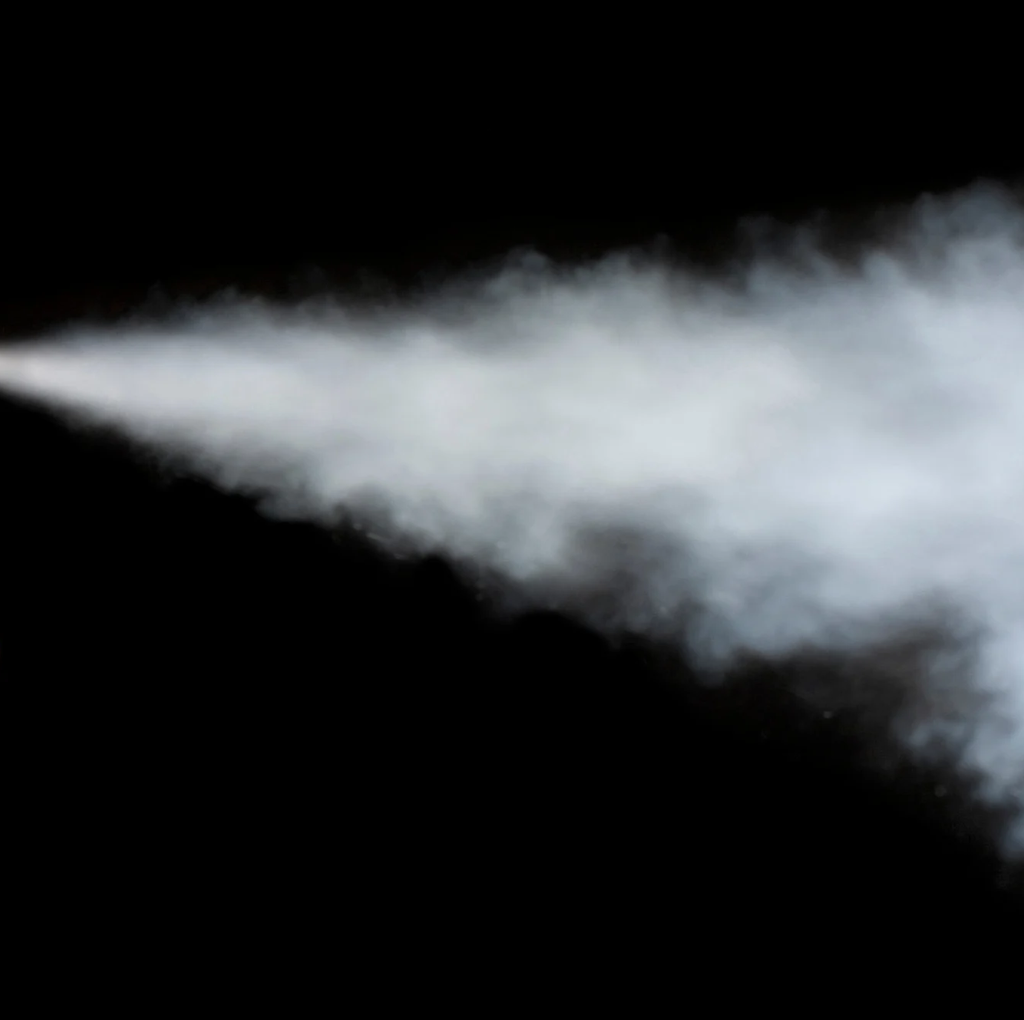
Several things affect how well and how small the liquid breaks up. The vibration frequency is a big one, as we just talked about. But the liquid itself plays a role too. Its surface tension – how much the surface wants to stick together – and its viscosity – how thick it is – are also important. Liquids with lower surface tension and lower viscosity tend to atomize more easily into smaller droplets. The design of the atomizer itself, like the shape of the nozzle or the surface it vibrates, also matters. It’s a bit of a balancing act between the energy put in by the transducer and the liquid’s own properties.
Here’s a quick look at how liquid properties can influence atomization:
- Surface Tension: Lower surface tension generally results in smaller droplet sizes.
- Viscosity: Lower viscosity liquids atomize more readily into finer mists.
- Density: While less impactful than the others, density can play a role in the dynamics of droplet formation.
The goal is to find the right combination of vibration energy and liquid characteristics to achieve the desired droplet size and spray pattern for a specific job.
Controlling Droplet Size Through Frequency
We’ve touched on this, but it’s worth emphasizing. The frequency is the main dial you turn to adjust droplet size. For really fine mists, you’ll want higher frequencies. If you need slightly larger droplets, you might use a lower frequency. It’s not a perfectly linear relationship, and the other factors we mentioned (liquid properties, atomizer design) interact with frequency. However, by selecting the right transducer frequency, engineers can predictably control the average droplet size. This precision is what makes ultrasonic atomization so useful in applications where droplet size really matters, like in pharmaceutical spray drying or applying thin films in electronics.
Diverse Industrial Applications of Ultrasonic Atomization
Precision in Pharmaceutical Spray Drying
Ultrasonic atomizers are really something when it comes to making tiny, uniform particles. In pharmaceutical spray drying, this means you can create drug powders that are just right for inhalers. The consistency in droplet size helps make sure the medication gets where it needs to go in the body, improving how well it works and how much you actually get. It’s all about getting the dosage exactly right, every time.
Uniform Thin Films in Electronics Manufacturing
When you need to lay down super thin, even layers of conductive ink or other materials onto things like flexible screens, ultrasonic nozzles are a go-to. They create a fine mist that spreads out perfectly, reducing waste and making sure the electronic components work as they should. This precision is key for making advanced electronics that are both reliable and efficient. It’s a big step up from older methods that could be messy and wasteful.
Targeted Coatings for Medical Devices
Think about medical implants, like stents or catheters. Ultrasonic atomization allows for very specific coatings to be applied, like drugs that are released slowly over time. The mist is so fine and the spray is so controlled that it lands exactly where it’s supposed to, with very little overspray. This means better adhesion and a more effective treatment, all while using less material. It’s a game-changer for creating advanced medical tools.

Flavor Misting and Nutraceuticals in Food and Beverage
In the food and drink world, ultrasonic sprays are used for a couple of cool things. They can mist flavors onto snacks or other products, or apply coatings to nutraceuticals. The beauty here is that the process is often gentle enough to preserve sensitive compounds, and it allows for controlled release, meaning you can get the flavor or nutrient to where it’s needed, when it’s needed. It’s a way to add value and improve product characteristics without harsh processing. For example, applying delicate flavorings to snacks requires a gentle touch, and ultrasonic atomizers provide just that.
Transformative Forces Shaping Ultrasonic Atomization
The world of ultrasonic atomization isn’t standing still. A couple of big shifts are really changing how these systems work and where we see them used. It’s not just about making finer mists anymore; it’s about smarter, more efficient, and more adaptable processes.
Digital Integration for Closed-Loop Control
One of the most significant changes is how we’re connecting these atomizers to digital systems. Think of it like giving the nozzle a brain. We’re seeing more sensors that can measure things in real-time – like the thickness of a coating or the humidity in the air. This information then feeds back into the system, allowing it to adjust the spray automatically. This is called closed-loop control.
- Real-time feedback loops adjust spray parameters instantly.
- Reduces process variability and improves consistency.
- Minimizes material waste by applying only what’s needed.
This kind of smart control means less guesswork and more predictable results, which is a big deal for industries that need very precise applications, like electronics or pharmaceuticals. It’s moving us away from just setting a spray and hoping for the best, towards a system that actively manages itself.
Sustainability Through Energy Efficiency and Waste Reduction
There’s a growing push for greener manufacturing, and ultrasonic atomization is well-positioned to benefit. These systems generally use less energy compared to older methods, and because they create such fine, controlled mists, they can achieve really high material utilization rates. This means less overspray and less wasted product.
Ultrasonic systems can achieve material utilization rates above 95% while reducing overspray and solvent emissions.
This focus on efficiency isn’t just good for the environment; it also makes good business sense. Lower material consumption and reduced energy use directly translate to lower operating costs. Plus, with stricter regulations on emissions and waste, these cleaner technologies are becoming more attractive.
Adapting Sensing Systems for Industrial Precision
To make that digital integration work, we need good sensors. What’s interesting is how technology developed for other fields is being adapted for ultrasonic atomization. For example, sensors originally designed for agriculture to monitor crop conditions are now being modified to help control spray processes in factories. This cross-pollination of ideas is helping to create more sophisticated and responsive systems.
- Sensors monitor environmental conditions (e.g., temperature, humidity).
- Feedback mechanisms adjust spray flow rate and frequency.
- Advanced vision systems can even check coating uniformity.
This adaptation of sensing technology is key to achieving the high levels of precision required in modern industrial applications. It allows the atomization process to be fine-tuned not just based on initial settings, but on the actual conditions during operation.
Technological Configurations and Segmentation
When we talk about ultrasonic atomizers, it’s not just one-size-fits-all. There are different ways these systems are put together, and knowing these differences helps you pick the right one for your job. It really comes down to how the core parts are made and what frequency they operate at.
Magnetostrictive Versus Piezoelectric Transducers
The heart of any ultrasonic atomizer is its transducer, the component that actually creates the vibrations. The two main types you’ll run into are magnetostrictive and piezoelectric. They both get the job done, but they do it differently and have their own strengths.
- Magnetostrictive transducers use a material that changes shape when exposed to a magnetic field. They’re known for being pretty tough and can handle a lot of power, making them good for demanding industrial settings. Think of them as the workhorses.
- Piezoelectric transducers, on the other hand, use materials that generate an electric charge when squeezed or vibrated. These are often used for finer control and can operate at higher frequencies, which is great for creating really tiny droplets. They’re generally more compact too.
Frequency Ranges for Ultrafine Droplets
The frequency of the ultrasonic waves is a big deal because it directly affects the size of the droplets produced. Higher frequencies mean smaller droplets. This is where the real precision comes in for applications like thin film deposition or pharmaceutical spray drying.
Here’s a general breakdown:
- Low Frequency (below 2.4 MHz): These produce larger droplets, suitable for applications where extreme fineness isn’t the main goal.
- Mid-Range (2.4 MHz to 4.0 MHz): A good balance, offering finer droplets than low-frequency options.
- High Frequency (above 4.0 MHz): This is where you get the ultrafine droplets, often measured in microns, which are critical for specialized coating and drying processes.
Fixed, Inline, and Portable System Designs
Beyond the transducer type and frequency, the physical setup of the atomizer system also varies. You’ll see systems designed for specific environments and workflows.
- Fixed Systems: These are often bench-top units, great for R&D labs or quality control where the atomizer stays in one place. They offer stability and consistent operation for repeatable tests.
- Inline Modules: Designed to be integrated directly into a production line. They work continuously, spraying as materials pass by, which is common in large-scale manufacturing.
- Portable Units: For flexibility, portable atomizers can be moved to where they’re needed. This is useful for on-site applications, maintenance, or when you need to spray in different locations without a dedicated setup.
Choosing the right configuration means looking at your specific process needs. Are you aiming for the smallest possible droplets, or do you need a robust system that can run continuously in a factory? The answers to these questions will point you toward the best technological setup.
Enhancing Operational Excellence with Advanced Technologies
Next-Generation Transducer Materials and Manufacturing
The push for finer mist control and better energy use is leading to new materials for ultrasonic transducers. Think about ceramics and composites that can handle higher frequencies or last longer under tough conditions. Additive manufacturing, or 3D printing, is also changing how these parts are made. It allows for more complex designs that might be impossible with traditional methods, potentially leading to more efficient energy transfer and better droplet formation. This focus on advanced materials and manufacturing is key to reducing reliance on imported components and improving overall system performance.
Smart Manufacturing Platforms and Predictive Maintenance
Integrating ultrasonic atomization systems with smart manufacturing platforms is becoming more common. This means using sensors, edge computing, and data analysis to keep a close eye on how things are running. Predictive maintenance, for example, uses data to figure out when a part might fail before it actually does. This helps avoid unexpected downtime and costly repairs. These smart systems can also adjust spray parameters on the fly, making sure you get the best results every time.
Strategic Partnerships for Industry-Specific Solutions
No single company has all the answers. That’s where strategic partnerships come in. By working with software developers, material scientists, and even the end-users in specific industries, companies can create ultrasonic atomization solutions tailored to unique needs. This co-creation process can speed up innovation, especially in areas like specialized medical coatings or precision agriculture. It’s about building solutions together that really fit the job.
Here’s a look at how different approaches are being combined:
- Material Innovation: Developing new transducer materials for better durability and finer mist.
- Manufacturing Techniques: Utilizing additive manufacturing for complex, efficient transducer designs.
- Data Integration: Connecting spray systems to smart platforms for real-time monitoring and control.
- Predictive Analytics: Employing data to anticipate maintenance needs and prevent downtime.
- Collaborative Development: Partnering with other experts to create custom solutions for specific industries.
The drive for better performance and efficiency in ultrasonic atomization is pushing innovation in materials, manufacturing, and system integration. Smart platforms and collaborative efforts are helping to tailor these technologies for specific industrial challenges, leading to more precise and reliable spray applications.
Competitive Landscape and Key Industry Players
Innovators in Commercial Ultrasonic Nozzle Technology
The ultrasonic atomization market has a few key companies really making waves. Sono-Tek, for instance, is often seen as a pioneer, having been around since the early days of commercial ultrasonic nozzle tech. They’ve built a reputation on their patented designs and systems that can be pretty complex, often integrating motion and environmental controls for specific jobs. It’s not just about the nozzle itself; it’s the whole package they offer.
Industrial-Grade Transducers and Custom Solutions
Then you have companies like Hielscher Ultrasonics, based in Europe. They seem to focus more on the heavy-duty industrial side, building really solid transducers and custom reactor setups. If you’re working with chemicals or need to atomize nanomaterials, they’re definitely a name that comes up. They’re known for their robust equipment that can handle demanding environments. It’s a different approach than just selling a nozzle; it’s about providing a complete, durable solution for tough applications.
Cost-Competitive Turnkey Spray Modules
On the more accessible end, you see players like Cheersonic. They’ve managed to carve out a niche by offering complete spray modules that are more budget-friendly. These are often geared towards labs or specific industries like medical device coating, where you need something reliable but don’t necessarily require the absolute highest level of customization. They make it easier for smaller operations or research facilities to get started with ultrasonic atomization without a massive upfront investment. It’s about providing a ready-to-go system that works well for common tasks.
Looking Ahead
So, we’ve taken a good look at how ultrasonic atomizers work and why they’re becoming so popular. It’s pretty neat how those high-frequency vibrations can turn liquids into really fine mists, useful for everything from making medicine easier to take to putting thin, even coats on electronics. As technology keeps moving forward, we’re seeing these devices get smarter and more efficient, helping industries use less material and energy. It’s clear that ultrasonic atomization isn’t just a niche technology anymore; it’s a key player in making a lot of different products better and manufacturing processes more sustainable. Keep an eye on this space, because the way we spray liquids is still changing.
Frequently Asked Questions
How do ultrasonic atomizers make such small droplets?
Imagine tapping a bowl of water really, really fast – so fast you can’t even see it! Ultrasonic atomizers do something similar. They use tiny vibrations, like super-fast sound waves, to shake the liquid apart into really tiny drops. It’s like making a super fine mist!
What makes one ultrasonic atomizer different from another?
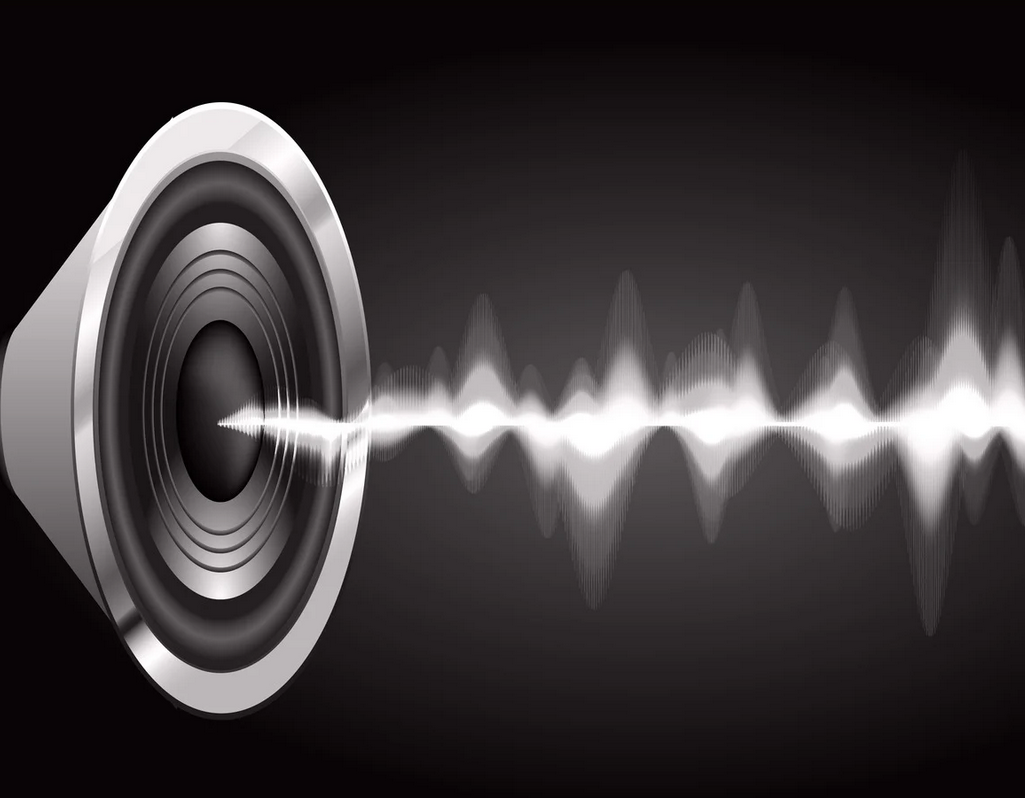
Think about different musical instruments. They all make sound, but they sound different. Ultrasonic atomizers are similar. Some use different materials inside to vibrate, and others vibrate at slightly different speeds (frequencies). These differences affect how fine the mist is and how much liquid they can spray.
Are these atomizers used for more than just making mist?
Yes, absolutely! Because they can make such precise and tiny droplets, they’re used in lots of important jobs. For example, they help make medicines that people breathe in, create super thin layers on electronics, and even put special coatings on medical tools.
Can these sprayers be controlled by computers?
Definitely! Many newer systems can be connected to computers. This means they can be told exactly how much to spray, when to spray, and how fine the mist should be. It’s like having a super smart spray robot that can adjust itself as it works.
Are ultrasonic atomizers good for the environment?
They can be! Because they create such fine mists, less liquid is wasted. They don’t need a lot of pressure to work, which saves energy. This means less pollution and less material used, which is great for keeping our planet healthy.
Who makes these ultrasonic sprayers?
There are several companies that are really good at making these. Some have been around for a long time and are known for their reliable machines, while others are newer and focus on making them more affordable or adding special features for specific jobs.