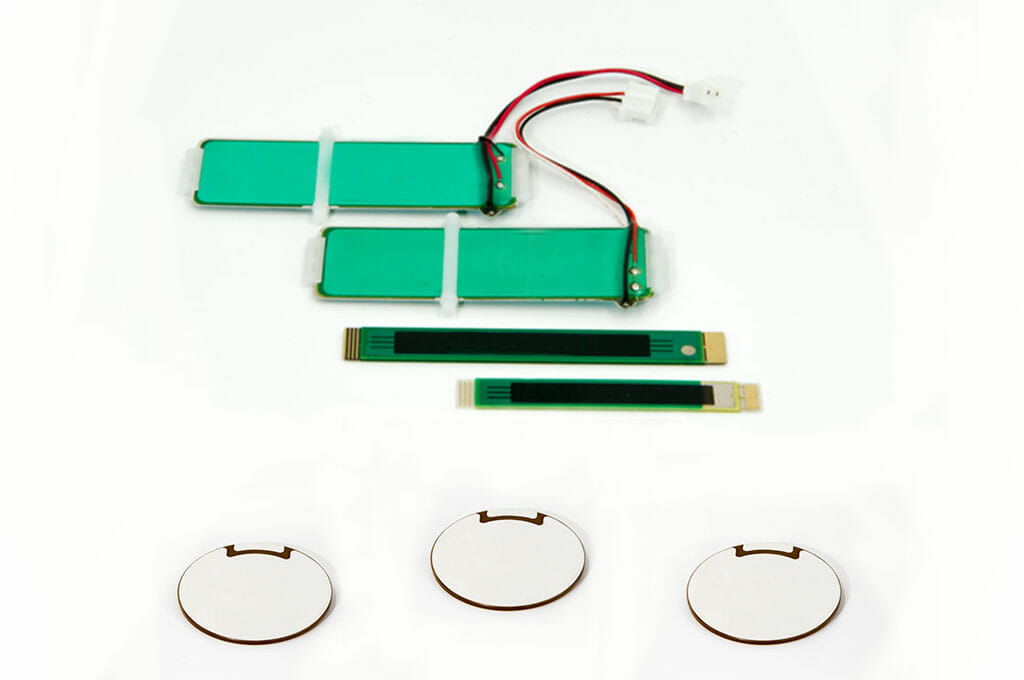
Ultrasonic atomizer technology is pretty neat, honestly. It’s all about taking liquids and turning them into really fine mists using high-frequency vibrations. Think of it like a tiny, super-fast shake that breaks liquid apart. These devices, sometimes called piezo atomizers, are clever because they take electrical energy and turn it into mechanical movement. When you apply a charge, a special part vibrates super fast, usually somewhere between 100 and 500 kilohertz. That’s way too fast for us to hear, hence ‘ultrasonic’.
Principles of Ultrasonic Vibration
The main idea here is using these super-fast vibrations to break down liquids. The vibrations create a physical effect on the liquid’s surface, causing it to form tiny droplets. This process is really good at making a consistent, fine mist, which is super important for things like medical nebulizers where you need a precise spray.

Role of Piezoelectric Elements
These piezoelectric elements are basically the engine of the whole operation. They’re made of materials that change shape when you apply an electrical voltage. When an alternating current hits them, they vibrate. These vibrations are what cause the liquid to break up and atomize. The accuracy of these piezo elements is a big reason why ultrasonic atomizers are so good at creating reliable mists.
Conversion of Electrical Input to Mechanical Output
So, how does the electricity become a mist? It starts with the electrical signal. This signal makes the piezo element vibrate. These vibrations then push the liquid, often through a special mesh with tiny holes. As the liquid is forced through, it breaks into very small droplets. This whole conversion process is quite efficient, which is why these atomizers are used in so many different places, from health devices to air fresheners.
Key Components of Ultrasonic Atomizer Transducers
Ultrasonic atomizer transducers are the heart of any system designed to create fine mists from liquids. They’re not just one piece, but a carefully put-together assembly where each part has a job to do. Understanding these components helps explain why these atomizers are so effective in various industrial and medical settings.
Piezo Discs and Elements
At the core of the transducer is the piezoelectric element, often a disc or a stack of discs. These are special ceramic materials that have a unique property: when you apply an electrical voltage to them, they change shape – they expand and contract. Conversely, if you deform them, they generate an electrical charge. In an ultrasonic atomizer, we apply an alternating electrical current, which causes the piezo element to vibrate incredibly fast, at ultrasonic frequencies (typically between 100 kHz and 500 kHz). This rapid vibration is what drives the entire atomization process. The quality and type of piezoelectric material used directly impact the transducer’s performance, frequency stability, and lifespan.
Perforated Mesh Layers
Sitting just above the vibrating piezoelectric element is a perforated mesh layer. This isn’t just any screen; it’s engineered with a precise pattern of very small holes. As the liquid is agitated by the ultrasonic vibrations from the piezo element, it’s forced towards this mesh. The vibrations cause the liquid to form tiny waves that break off at the edges of the holes, creating extremely fine droplets. The size and spacing of these perforations are critical factors in determining the final droplet size and the overall efficiency of the mist generation. Different mesh designs are used depending on the desired particle size and the properties of the liquid being atomized.
Fluid Reservoirs
Finally, there’s the fluid reservoir. This is the part that holds the liquid you want to atomize. It’s designed to supply the liquid consistently to the vibrating piezo element and mesh assembly. The reservoir needs to be made of materials that are compatible with the fluid being used, whether it’s water, a pharmaceutical solution, or another industrial liquid. Its design also plays a role in how easily the liquid reaches the atomizing surface and how much liquid can be processed before refilling. Some designs might incorporate features to prevent air from being drawn into the system, which could disrupt the atomization process.
Here’s a quick look at the main components:
- Piezoelectric Element: Generates high-frequency vibrations when an electrical current is applied.
- Perforated Mesh: A precisely engineered layer with tiny holes that helps break the liquid into fine droplets.
- Fluid Reservoir: Holds and supplies the liquid to the atomizing components.
The synergy between these components is what allows ultrasonic atomizers to produce such fine and consistent mists, making them suitable for demanding applications where precise aerosol generation is key.
Applications in Medical Devices
Ultrasonic atomizer transducers are really making a name for themselves in the medical field. They’re not just some fancy gadget; they’re actually helping people get better. The main idea is using high-frequency vibrations to turn liquids into a super fine mist. This mist can then be inhaled or used in other ways to deliver treatments.
Ultrasonic Nebulizers
Think about someone with asthma or COPD. They often need to inhale medication to help them breathe easier. Ultrasonic nebulizers are a big part of that. These devices use the ultrasonic atomizer transducer to create a really fine mist of medicine. Because the droplets are so small, they can get deep into the lungs where they’re needed most. This makes the treatment more effective compared to just breathing in the medicine normally. It’s a pretty neat way to get medication right where it needs to go.

Drug Delivery Systems
Beyond just breathing treatments, these atomizers are showing up in other drug delivery systems too. We’re talking about things like pain management or hormone therapy. The key here is precision. The ability to control the size of the droplets is super important. Different medications might need different droplet sizes to work best. Ultrasonic atomizers give medical professionals that control, making the delivery more accurate and potentially more effective. It’s all about getting the right dose, in the right form, to the right place.
Respiratory Therapies
When we talk about respiratory therapies in general, ultrasonic atomizers are a common tool. They help make sure patients can easily inhale medications. This is especially helpful for people with long-term breathing problems. The mist is gentle and easy to breathe in, which is a big plus for patients who might struggle with other methods. It’s a technology that directly impacts patient comfort and the success of their treatment plans.
The precision offered by ultrasonic atomizers allows for targeted delivery of therapeutic agents, improving treatment outcomes and patient compliance. This technology is transforming how we approach respiratory care and medication administration.
Here’s a quick look at how they fit into different medical uses:
- Nebulizers: Turning liquid medication into inhalable mist.
- Drug Delivery: Precise administration for various treatments.
- Respiratory Care: Enhancing patient comfort and treatment effectiveness.
Advantages of Ultrasonic Atomizer Transducers
When you’re looking at ways to turn liquids into fine mists, ultrasonic atomizer transducers really stand out. They’ve got a few key benefits that make them a solid choice for a lot of different jobs, especially where precision matters.
Precision and Efficiency
One of the biggest pluses is how precise these things are. They use high-frequency vibrations, usually in the range of 100 to 500 kHz, to break down liquids. This means you get a really consistent and fine mist. Think about it – if you need to deliver medication or a specific chemical, getting a uniform particle size is super important. Ultrasonic atomizers do a great job of this, making them efficient for tasks that require accuracy. This consistent atomization is key for predictable results in sensitive applications.
Control Over Droplet Size
Another big win is the control you have over the droplet size. By tweaking the frequency and the power going into the transducer, you can actually change how big or small the droplets are. This is a pretty big deal. For example, in medical nebulizers, the size of the mist particles directly affects how deep they can get into the lungs. Being able to dial in that specific size means you can tailor the device for the best possible outcome. It’s not just a one-size-fits-all situation.
Low Power Consumption
These transducers are also pretty good on the power front. They’re quite efficient at taking electrical energy and turning it into the mechanical vibrations needed for atomization. This means they don’t guzzle electricity like some other methods might. For devices that need to run for a while, or for applications where power is limited, this low consumption is a real advantage. It can also translate to lower operating costs over time, which is always a nice bonus.
The ability to produce a fine, consistent mist with adjustable droplet size and minimal power usage makes ultrasonic atomizers a compelling technology for many industrial and medical uses.
Challenges and Limitations
While ultrasonic atomizers offer some pretty neat advantages, they aren’t without their drawbacks. Like any piece of technology, there are hurdles to overcome and things to consider before you jump in.
Material Durability
One of the main issues we run into is how long these things actually last. The constant, high-frequency vibrations, combined with exposure to various liquids, can really take a toll on the materials over time. Think of it like a tiny jackhammer working non-stop. This wear and tear can eventually lead to a drop in performance, meaning the mist might not be as fine or as consistent as it used to be. For applications where reliability is super important, like in medical settings, this is a big deal. You need something that keeps working well, day in and day out.
Cost Factors
Let’s talk about the price tag. Producing these ultrasonic atomizer transducers can get expensive. You’re often dealing with specialized materials and precise manufacturing processes. Then there’s the ongoing cost of keeping them running – repairs, replacements, that sort of thing. For some businesses or facilities, especially those on a tighter budget, the initial investment and the long-term upkeep can be a significant barrier to adopting this technology.
Maintenance Requirements
To keep these atomizers working their best, you can’t just set them and forget them. They need regular attention. This usually involves cleaning them out to prevent clogs or buildup, checking for any signs of damage or wear, and swapping out parts when they start to give out. If you skip this maintenance, you risk the device not working properly, which, as we mentioned, can be a real problem in critical applications. It’s a bit like owning a classic car; you get a lot of cool features, but you also have to put in the work to keep it on the road.
It’s important to weigh these challenges against the benefits. Sometimes, the precision and efficiency gains are well worth the extra effort and cost, but it’s not a one-size-fits-all solution. Understanding these limitations helps in making informed decisions about where and how to best use ultrasonic atomizers.
Comparing Ultrasonic Atomizers with Other Technologies
When you’re looking at ways to turn liquids into fine mists, there are a few different approaches out there. Ultrasonic atomizers are one option, but it’s good to know how they stack up against others. Each technology has its own strengths and weaknesses, and what works best really depends on what you need to do.
Conventional Nebulizers
These are probably what most people think of when they hear ‘nebulizer.’ They typically use compressed air or oxygen to push liquid through a small opening, creating a mist. They’ve been around for a while and are pretty common. However, they can be a bit bulky and tend to make a fair amount of noise. Compared to ultrasonic types, they might not always produce the absolute finest mist, which can matter for certain medical treatments.
Mechanical Atomizers
Mechanical atomizers use physical force, like spinning discs or high-pressure jets, to break up liquids. Think of a spray bottle – that’s a simple mechanical atomizer. They’re often straightforward and can be less expensive. The downside is that they might not offer the same level of control over how small the droplets are. For applications where precise droplet size is really important, like in some drug delivery systems, this can be a limitation.
Laser-Based Atomizers
This is a more advanced method. Laser-based systems use focused laser energy to essentially vaporize the liquid into tiny particles. They can be incredibly precise, which is a big plus. But, this precision often comes with a higher price tag and more complex equipment. For many industrial and medical uses, the cost and complexity can make them less practical than other options.
Ultrasonic atomizers often hit a sweet spot, offering a good balance of precision, efficiency, and cost.
Here’s a quick look at how they compare:
| Technology | Precision | Cost | Noise Level | Efficiency | Droplet Size Control |
| Ultrasonic Atomizers | High | Moderate | Low | High | Excellent |
| Conventional Nebulizers | Moderate | Low | High | Moderate | Fair |
| Mechanical Atomizers | Low | Low | Moderate | Low | Limited |
| Laser-Based Atomizers | Very High | Very High | Low | Very High | Excellent |
Choosing the right atomization technology means looking at the specific needs of your application. Factors like the required droplet size, budget, and operational environment all play a role in making the best decision for your setup.
Future Trends in Ultrasonic Atomizer Technology
Advancements in Piezo Materials
The world of ultrasonic atomizers is always moving forward, and a big part of that is thanks to new developments in piezo materials. Researchers are constantly working on creating materials that are not only more efficient at turning electrical signals into vibrations but also last longer. This means future atomizers could be more reliable and perform better, even with tough liquids. Think about materials that can handle more frequent use or more aggressive fluids without breaking down as quickly. This is a pretty big deal for industries that rely on consistent misting.
Integration with Smart Devices
Another exciting area is how these atomizers are getting connected. We’re seeing more and more ultrasonic atomizers being designed to work with smartphones and other smart gadgets. This lets users have much finer control over the atomization process. You could potentially adjust mist output, droplet size, or even set schedules right from an app on your phone. It makes the technology more accessible and user-friendly, moving beyond just industrial settings into more personalized applications.
Potential New Medical Applications
In the medical field, the possibilities are really opening up. Beyond the standard nebulizers, scientists are looking into using ultrasonic atomizers for more advanced drug delivery. Imagine being able to deliver medication directly to very specific parts of the body with incredible accuracy, or developing new ways to treat lung conditions. The ability to create such fine and controllable mists is a game-changer for how treatments can be administered, potentially leading to better patient outcomes and fewer side effects.
The ongoing evolution of ultrasonic atomizer technology promises greater precision, adaptability, and integration into everyday life and specialized industries alike. As material science and digital connectivity advance, so too will the capabilities and applications of these versatile devices.
Wrapping Things Up
So, we’ve looked at how ultrasonic atomizers work, basically using vibrations to make tiny liquid droplets. It’s pretty neat how a little electrical zap turns into a fine mist. We saw they’re used in things like medical nebulizers, helping people breathe easier, and even in making special metal powders for 3D printing. While they’re great for being precise and using less power, sometimes the parts can wear out, and they can be a bit pricey. But looking ahead, things are getting even better with new materials and ways to connect them to our phones. It seems like these little vibrating wonders are going to keep finding new jobs, making life a bit easier and healthier in the process.
Frequently Asked Questions
What exactly is an ultrasonic atomizer transducer?
Think of it as a tiny machine that uses super-fast vibrations, too fast for us to hear, to turn liquids into a really fine mist. It’s often found in medical gadgets like nebulizers that help people breathe better.
How does this mist-making gadget actually work?
It’s pretty neat! It takes electricity and uses it to make a special part, called a piezo element, shake really fast. These shakes are so powerful they break up the liquid into super tiny drops, creating that mist.
What are the main pieces that make up one of these atomizers?
The most important parts are the piezo discs that vibrate, a screen with tiny holes that helps make the mist just right, and a little container to hold the liquid.
Where do doctors and nurses use these in medical treatments?
You’ll find them in things like ultrasonic nebulizers that spray medicine into the lungs, systems that deliver medicine precisely, and other breathing treatments to help people with lung problems.
What’s so good about using these ultrasonic atomizers?
They are very accurate, let us control how big the mist droplets are, and don’t use much power. This makes them great for medical uses where precision is key.
Are there any downsides or problems with these devices?
Sometimes, the parts can wear out over time because of the constant shaking and liquid. They can also be a bit pricey to make and fix, and they need regular cleaning to keep working well.