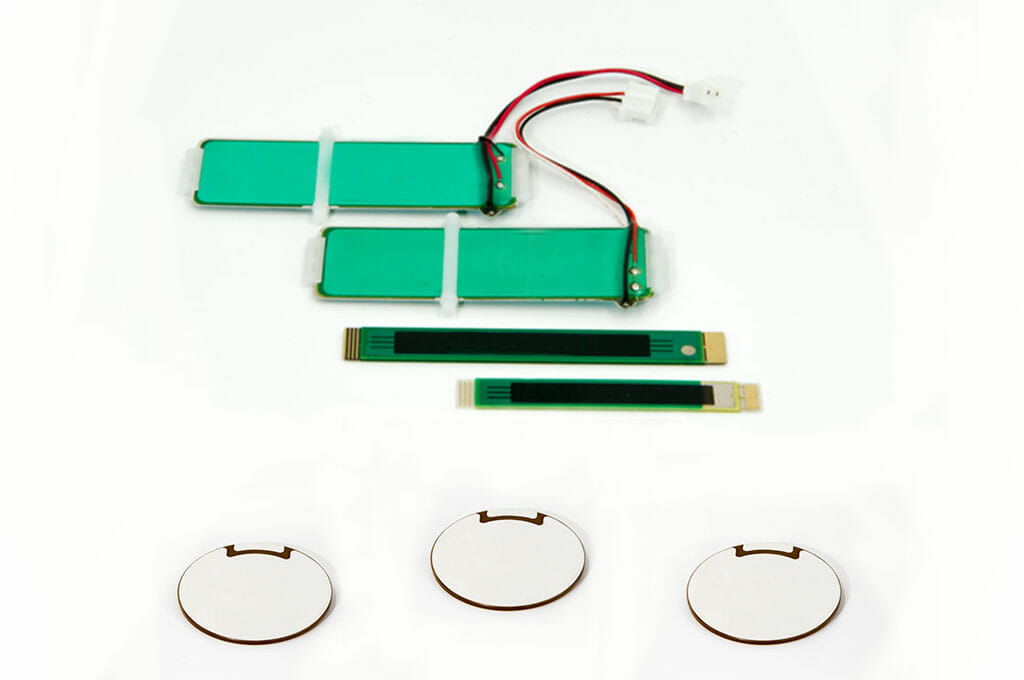
The Fundamental Nature Of Piezoelectricity
So, what exactly makes a piezo tube tick? It all comes down to a neat property called piezoelectricity. Basically, certain materials have this cool ability to create an electric charge when you put some mechanical stress on them – think squeezing, stretching, or vibrating. It works the other way around, too. If you apply an electric field to these materials, they actually change their shape a little bit. This back-and-forth ability is what makes them so useful in all sorts of tech.
Materials Constituting Piezo Tubes
Piezo tubes are usually made from what are called ferroelectric materials. You can think of these as being either “soft” or “hard,” depending on their properties. These materials come in different shapes, like little disks, rods, or, of course, tubes. The specific material and shape you pick really depend on what you need the tube to do. For example, if you need something super precise with very little wiggle room in its dimensions, you’d go for a solid piezoceramic actuator.

The Manufacturing Journey Of Piezo Tubes
Making a piezo tube isn’t just a quick process; it involves a few key steps to get it just right. First, you’ve got to pick the right raw materials. Then, these materials get shaped into the tube form. After that, they’re fired at high temperatures in a process called sintering. The really important part is the “poling” step, where the electric dipoles inside the material are lined up. Each of these stages matters a lot for how well the final tube will work.
- Material Selection
- Shaping
- Sintering
- Poling
The goal of this careful manufacturing is to create piezo tubes that can handle high voltages, sometimes up to 1000V, and show minimal shrinking or changing in size when they’re used.
Innovations Driving Piezo Tube Advancements
Piezo tube technology isn’t standing still. Researchers and engineers are constantly pushing the boundaries, making these components even more capable and useful across a wide range of industries, including ours in spray nozzle technology. It’s all about making them work better, last longer, and fit into new systems more easily.
Enhancements In Sensitivity And Durability
One of the biggest areas of progress is making piezo tubes more sensitive and tougher. Think about it: in demanding industrial environments, components need to handle a lot. New manufacturing techniques and material science are leading to piezo tubes that can detect even smaller changes and withstand more physical stress without breaking down. This means they can be used in applications where they might have been too fragile before. We’re seeing faster response times and higher bandwidth, which is great for applications needing quick, precise feedback.
- Improved Material Compositions: Development of new ceramic formulations and composite materials.
- Advanced Manufacturing Processes: Techniques that reduce internal stress and defects.
- Protective Coatings: Application of specialized coatings to resist environmental factors like moisture and chemicals.
Integration With Modern Electronic Systems
Getting piezo tubes to play nicely with other electronic gear is another major focus. It’s not enough for a component to work well on its own; it needs to connect and communicate effectively. We’re seeing more flexible circuits being designed to attach directly to piezo elements. This makes integrating them into complex systems, like advanced control units for spray equipment, much simpler. It reduces wiring complexity and potential points of failure.
The trend is towards more compact, integrated solutions where the piezo element is a more natural fit within the overall electronic architecture, simplifying assembly and maintenance.
Future Research And Development Directions
The future looks pretty exciting for piezo tubes. Scientists are looking into entirely new materials and ways to make them. The goal is to keep improving their performance, making them cheaper to produce, and finding ways to make them in larger quantities without sacrificing quality. This ongoing work means we can expect piezo tubes to show up in even more innovative applications down the line, perhaps leading to smarter, more efficient spray nozzle systems.
- Nanomaterial Integration: Exploring the use of piezoelectric nanofibers for increased surface area and sensitivity.
- Self-Healing Materials: Research into materials that can repair minor damage autonomously.
- Energy Harvesting Capabilities: Further development of piezo tubes that can generate their own power from ambient vibrations.
Piezo Tubes In Aerospace Technology
Elevating Aircraft Performance
Piezo tubes are finding their way into more and more aircraft systems, helping to make flights safer and more efficient. Think about how much pressure and vibration an airplane goes through. Piezo tubes can measure these forces really accurately. They’re used for things like checking the air pressure around different parts of the plane and keeping an eye on how components are vibrating. This information helps engineers understand how the aircraft is performing in real-time and allows for adjustments to keep everything running smoothly. This constant monitoring is key to maintaining stability and optimizing fuel use.
Implementing Vibration Control Systems
Aircraft experience a lot of shaking, especially during takeoff, landing, and in turbulent weather. Too much vibration can be bad for sensitive equipment and uncomfortable for passengers. Piezo tubes are great for detecting these vibrations. When they sense unwanted shaking, they can send a signal to a control system that can then counteract the vibration. It’s like having a tiny, super-fast shock absorber built into the plane’s systems. This not only makes the ride smoother but also helps protect delicate electronics from damage over time.
Essential Aerospace Instrumentation
Beyond just performance and vibration, piezo tubes are also part of the critical instruments that keep spacecraft and satellites on track. In satellites, for example, they can be used in systems that help determine the satellite’s exact position and keep it stable. They can also be found in micro-thrusters, which are tiny engines that provide precise adjustments to a spacecraft’s path. These applications require a high degree of accuracy and reliability, which piezo tubes can provide.
The ability of piezo tubes to convert tiny mechanical changes into measurable electrical signals makes them incredibly useful in the demanding environment of aerospace. Their small size and robust nature mean they can be integrated into complex systems without adding significant weight or bulk.

The Role Of Piezo Tubes In Medical Devices
Piezo tubes are showing up in more and more medical gear these days. It’s not just about making things smaller, though that’s part of it. It’s really about the precision they offer. Think about it – when you’re dealing with someone’s health, accuracy matters a lot. These little tubes help make medical equipment work better and more reliably.
Achieving Precision In Medical Imaging
One of the big areas where piezo tubes are making a difference is in medical imaging, especially ultrasound. You know, those machines that let doctors see inside your body without cutting you open? Piezo tubes are key components in those. They can create and pick up sound waves. This lets the machine build a detailed picture of what’s going on inside. This level of detail is super important for figuring out what’s wrong and how to fix it.
Enhancing Drug Delivery Systems
When it comes to giving medication, especially for conditions like diabetes where you need just the right amount of insulin, precision is everything. Piezo tubes help control exactly how much drug is released and when. This means patients get the correct dose, which can lead to better results and fewer side effects. It’s like having a tiny, super-accurate pump working for you.
Supporting Patient Monitoring Equipment
Keeping an eye on patients is another area where piezo tubes are useful. They can be found in equipment that measures things like heart rate and blood pressure. Because they react so quickly and are very sensitive, they can pick up even small changes in a patient’s condition right away. This helps medical staff stay on top of things and respond fast if something changes.
The ability of piezo tubes to convert mechanical input into electrical signals, and vice versa, with such fine control makes them ideal for delicate medical tasks. Their small size also means they can be integrated into increasingly compact and sophisticated devices.
Here’s a quick look at how they fit in:
- Imaging: Generating and detecting ultrasound waves for clear internal views.
- Drug Delivery: Precisely controlling the release of medications.
- Monitoring: Accurately measuring vital signs like heart rate and blood pressure.
It’s pretty neat how these small parts can have such a big impact on healthcare, helping doctors diagnose better and patients get more effective treatment.
Piezo Tubes Revolutionizing Industrial Automation
It’s pretty wild how much these little piezo tubes are changing the game in factories and production lines. They’re not just fancy gadgets; they’re actually making things work better, faster, and more precisely. Think about it – in industrial settings, every little bit of accuracy counts, right? Whether it’s making sure a robot arm hits its mark every single time or checking that a product is absolutely perfect before it ships out, these components are quietly getting the job done.
Enabling Precise Robotics and Motion Control
Robots are everywhere now, and they need to move with incredible accuracy. Piezo tubes are a big reason why we’re seeing robots do more complex tasks. They can create really fine, controlled movements, which is super important for things like assembling tiny electronic parts or handling delicate materials. It’s not just about moving; it’s about moving exactly where and how they’re supposed to. This precision means fewer mistakes and higher quality products coming off the line. For applications needing exact fluid handling, like in specialized manufacturing processes, these tubes can generate tiny, controlled pressure pulses, making microdosing applications much more reliable.
Facilitating Quality Control and Inspection
Spotting defects is a huge part of making sure products are good. Piezo tubes help with this because they can detect even the smallest imperfections. Their quick response means they can scan things really fast, which is a lifesaver on a busy production line.
Harnessing Energy in Industrial Settings
This is a pretty neat trick: piezo tubes can actually generate electricity from vibrations and movement. Factories are full of vibrations, right? From heavy machinery to conveyor belts, there’s a lot of wasted mechanical energy. Piezo tubes can capture some of that energy and turn it into electricity. This can be used to power small sensors or monitoring devices right there on the factory floor. It’s a way to make things more sustainable and cut down on energy costs, which is always a good thing for businesses.
The ability of piezo tubes to convert mechanical forces into electrical signals, and vice versa, makes them incredibly useful for automation. They offer a way to achieve high precision and control in dynamic industrial environments.
Here’s a quick look at how they fit in:
- Robotics: Fine motor control for assembly and handling.
- Inspection: Detecting microscopic flaws with high speed.
- Energy: Harvesting wasted mechanical energy for low-power devices.
- Process Control: Precise actuation for tasks like fluid dispensing or valve control.
Environmental And Energy Applications Of Piezo Tubes
Piezo tubes are finding their way into some pretty interesting environmental and energy-related jobs. It’s not just about making things move precisely anymore; these little wonders can actually help us generate power and keep an eye on our planet.
Contributing To Renewable Energy Generation
Think about it: the world needs more clean energy, right? Piezoelectric materials, like those used in piezo tubes, can convert mechanical energy into electrical energy. This means we can potentially capture energy from sources that are often just wasted. We’re talking about things like the constant motion of waves or the vibrations from wind turbines. By harnessing these ambient mechanical forces, piezo tubes can contribute to decentralized power generation, especially in remote locations where setting up traditional power grids is tough. It’s a neat way to get a little bit of power from everyday movements.
Supporting Environmental Monitoring Efforts
Keeping tabs on our environment is super important, and piezo tubes can help with that too. Their sensitivity means they can detect subtle changes in pressure, temperature, or even chemical composition in the air or water. Imagine placing sensors in oceans to monitor wave activity and provide early warnings for things like tsunamis, or using them to track air quality in industrial areas. They can also be used in soil moisture sensors or to detect pollutants. It’s all about getting real-time data to help us understand and protect our natural world.
Promoting Sustainable Manufacturing Practices
In the industrial world, sustainability is becoming a bigger deal. Piezo tubes can play a part here by helping to make manufacturing processes more efficient. For example, they can be used in energy harvesting systems within factories. Any vibration or movement from machinery could potentially be converted into usable electricity, reducing the overall energy demand of the plant. This not only cuts down on energy costs but also lowers the carbon footprint of manufacturing operations. Plus, their precision can lead to less waste in production, which is another win for sustainability.
Addressing Challenges In Piezo Tube Applications
Even though piezo tubes are pretty neat and show up in a lot of places, they aren’t without their own set of problems. It’s not always a smooth ride from the lab to real-world use. We’ve got to think about what holds them back and how we can get around those issues.
Overcoming Material Limitations
One of the main hurdles is the stuff they’re made of. Piezoelectric materials can be a bit tricky. During the making of piezo tubes, things like deformation and tiny holes can pop up. This can mess with how well they work. Scientists are trying different ways to tweak the materials, like adding other elements, to make them tougher and more dependable. It’s all about getting the best performance without them breaking down.
Addressing Cost and Scalability Concerns
Let’s be honest, piezo tubes can be pretty expensive. This high price tag makes it hard for them to show up everywhere they could be useful. Companies are looking for cheaper ways to make them, but that’s not easy. You also have to figure out how to make a lot more of them without sacrificing quality. It’s a balancing act to get them out there in bigger numbers.
Ensuring Long-Term Reliability
For things like medical equipment or aerospace parts, you need these tubes to work perfectly, every single time, for a long time. Making sure they don’t quit on you is a big deal. This means lots of testing and finding materials that can handle the wear and tear. We need them to keep their speed and accuracy, even after years of use. It’s a tough requirement, but necessary for critical jobs.
The drive for better piezo tube performance often comes down to refining the materials and the manufacturing process. It’s a constant effort to make them more robust, affordable, and consistent for all sorts of demanding tasks.
Here’s a quick look at some common issues and what’s being done:
- Material Weaknesses: Issues like cracking or changes in electrical properties over time.
- Solution: Developing new composite materials and protective coatings.
- Manufacturing Complexity: Precise shaping and doping can be difficult and costly.
- Solution: Exploring additive manufacturing techniques and automated quality control.
- Environmental Sensitivity: Performance can be affected by extreme temperatures or humidity.
- Solution: Encapsulation and material selection for specific operating conditions.
Wrapping It Up
So, we’ve seen how these piezo tubes are pretty much everywhere these days. They’re not just some fancy lab thing; they’re in our phones, our cars, and even helping doctors do their jobs better. It’s kind of wild to think about how a little bit of pressure can turn into an electric signal, or the other way around. With new materials and smarter ways of putting them together, it looks like piezo tubes are going to keep showing up in even more places. They’re a good example of how a simple idea can lead to some really useful technology that makes our lives easier and safer. Keep an eye out, because you’ll probably be seeing more of them soon.
Frequently Asked Questions
What exactly are piezo tubes?
Piezo tubes are like special little tubes that can do two cool things: they create electricity when you squeeze or bend them, and they change shape when you send electricity through them. Think of them as tiny energy converters that are super useful in many gadgets.
How does a piezo tube actually work?
It’s all thanks to something called piezoelectricity. Certain materials have this neat trick where pressing on them makes tiny electrical charges appear. Piezo tubes use this to sense pressure or movement. When electricity is applied, they do the opposite and move a little bit.
Where do planes and rockets use these piezo tubes?
In airplanes and spacecraft, piezo tubes help make things safer and work better. They can help control shaky movements, measure air pressure accurately, and are part of important tools that keep everything running smoothly in the sky and in space.
Why are piezo tubes important for medical tools?
Piezo tubes are really important in medicine because they are so precise. They help create clear pictures in ultrasound machines, make sure patients get the exact right amount of medicine, and help doctors keep track of important body signals.
Can robots use piezo tubes?
Absolutely! Robots use piezo tubes to move very precisely. These tubes help robot arms and other parts make exact, smooth movements, which is key for tasks that need a lot of accuracy, like building tiny electronics.
Are there any problems with using piezo tubes?
Sometimes, making them can be tricky, and they can be a bit expensive. Also, making sure they keep working perfectly for a very long time in tough situations is something engineers are always working to improve.