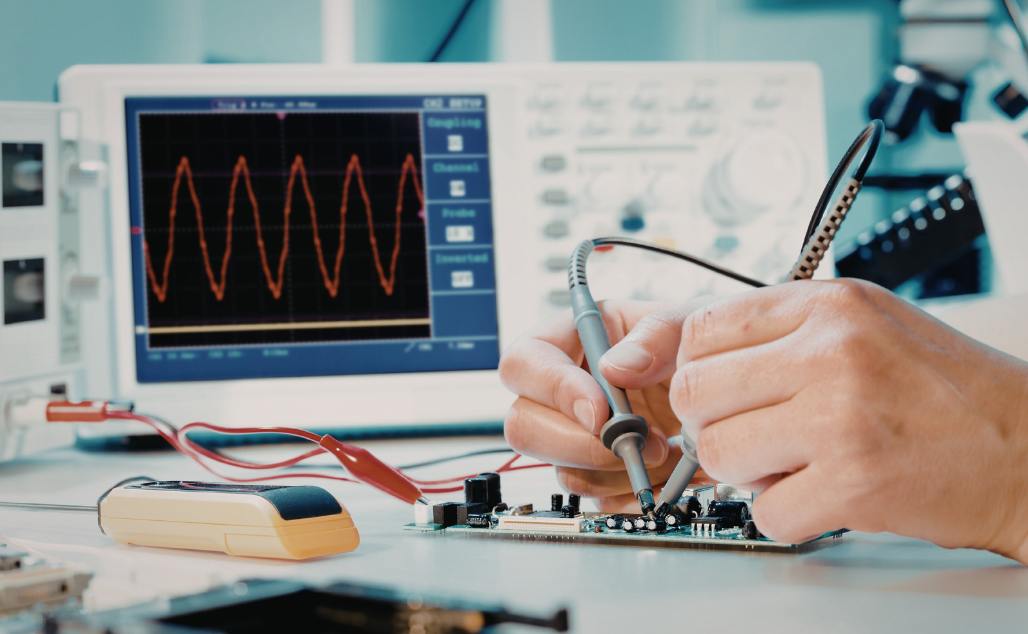
At its heart, piezoelectricity is a fascinating property found in certain materials. When you apply mechanical stress – like squeezing or bending – these materials generate an electric charge. It works the other way too: apply an electric field, and the material will deform, changing its shape. This dual behavior is what makes piezoelectric materials so useful in various technologies, including the specialized actuators we’re discussing.
Structure and Composition of Piezo Bimorphs
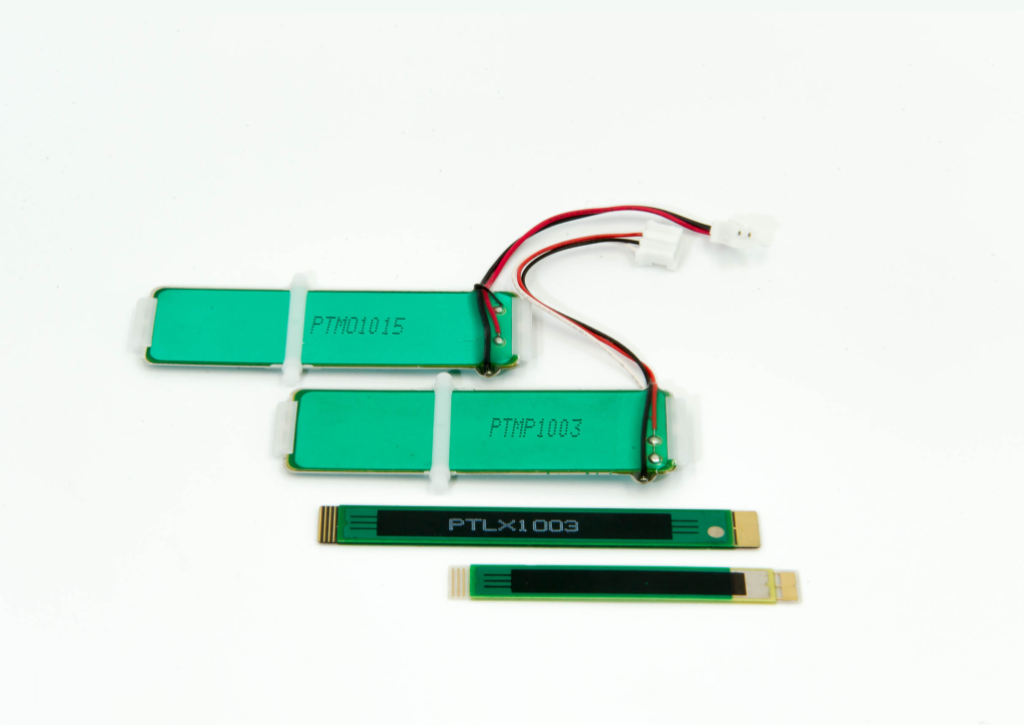
A piezoelectric bimorph isn’t just a single piece of material; it’s typically made of two active piezoelectric layers bonded together. These layers are often made from ceramics like PZT (lead zirconate titanate), which are known for their strong piezoelectric response. The way these two layers are arranged and connected electrically is key to how the bimorph functions. Think of it like two strips of material stuck back-to-back, but with a twist: when voltage is applied, one strip wants to expand while the other wants to contract.
How Piezoelectric Bimorphs Generate Motion
This difference in expansion and contraction between the two bonded layers is what causes the bimorph to bend. If you apply a positive voltage, one layer might expand, pushing against the other, causing the whole structure to curve in one direction. Reverse the voltage, and the layers swap their behavior – one contracts, the other expands – making the bimorph bend the opposite way. This bending motion, though small for a single layer, is amplified in a bimorph configuration, allowing for a much larger displacement and making them suitable for actuating tasks. It’s this controlled bending that’s exploited in many applications, from creating sound to precise movements in machinery.
The Mechanics Behind Piezoelectric Bimorphs
Piezoelectric Effect in Bimorph Actuation
The way a piezoelectric bimorph works is pretty neat, really. It all comes down to that core piezoelectric effect we talked about. When you apply a voltage across the two piezoelectric layers that make up the bimorph, something interesting happens. One layer tries to expand, while the other tries to contract. Since they’re stuck together, this push and pull forces the whole assembly to bend. This bending is the key to how bimorphs create motion. It’s not just a little wiggle, either; this bending can be quite significant, especially when you consider the tiny size of these components. Think of it like two people trying to pull a blanket in opposite directions – the blanket has to buckle in the middle. The amount of bend you get depends on a few things, like the voltage you apply and the specific materials used.
Voltage Control and Bending Amplification
One of the really useful aspects of piezoelectric bimorphs is how you can control their movement with voltage. Apply a positive voltage, and you get a bend in one direction. Reverse the voltage, and it bends the other way. This makes them really good for precise positioning. What’s also cool is how they amplify the motion. A single piezoelectric material might only change its shape by a tiny amount, maybe a few micrometers. But by bonding two of them together in a bimorph configuration, that small change is turned into a much larger bend. This amplification means you can get a noticeable amount of movement from a small voltage input, which is a big advantage in many applications. It’s like using a lever to lift a heavy object – a small effort on one end creates a much larger movement on the other.
Here’s a simple look at how voltage affects bending:
| Applied Voltage (V) | Bimorph Bend Direction |
| +100 | Upward |
| -100 | Downward |
| 0 | Neutral |
Material Considerations for Performance
Choosing the right materials for your piezoelectric bimorph is super important if you want it to perform well. Different piezoelectric ceramics have different properties. Some are better at generating a strong electrical charge when stressed, while others bend more dramatically when a voltage is applied. For bimorphs, you’re often looking for materials that have a high piezoelectric coefficient – that’s a measure of how much they respond to electrical or mechanical input. The way the two piezoelectric layers are bonded together also matters. A strong, consistent bond is needed so that the expansion and contraction of one layer effectively forces the other layer to bend. The thickness of the piezoelectric layers and the substrate material (if one is used) also play a role in how much the bimorph bends and how stiff it is. Getting these material choices right can make a big difference in the performance of your device, whether it’s for precise control in an optical system or generating a specific sound frequency.
The combination of material properties and the layered structure allows piezoelectric bimorphs to convert electrical energy into mechanical motion with remarkable efficiency and precision. This makes them suitable for tasks requiring fine adjustments or rapid movements.
Diverse Applications of Piezoelectric Bimorphs
Sound Production and Micro-Scale Actuation
Piezoelectric bimorphs are really good at making sound. Think about those little buzzers in smoke detectors or simple electronic toys. That’s often a bimorph at work. When you apply a voltage, the two layers of piezoelectric material bend in opposite directions. This rapid bending pushes and pulls the air, creating sound waves. It’s a simple but effective way to generate audible alerts.
Beyond just making noise, this bending action is super useful for tiny movements. In some advanced inkjet printers, for example, a piezoelectric bimorph sits at the base of each nozzle. Applying a voltage causes the bimorph to flex, sending a tiny shockwave that pushes a droplet of ink out. This allows for incredibly precise control over ink placement, making high-resolution printing possible. It’s all about using that amplified bending motion for very specific, small-scale tasks.
Precision Control in Optical Systems
When you need to adjust things with extreme accuracy, like in optical setups, piezoelectric bimorphs are a go-to component. Their ability to produce very fine, controlled movements makes them ideal for tasks where even a tiny shift can make a big difference.
For instance, in laser systems, bimorphs can be used to steer a laser beam. By carefully bending the bimorph, the angle of the laser can be adjusted with incredible precision. This is important for things like laser alignment or directing beams in complex optical paths. Similarly, in fiber optics, aligning the tiny glass fibers so they connect perfectly is critical for signal strength. Bimorphs can make these minute adjustments, ensuring minimal signal loss and better overall performance.
Role in Medical Device Innovations
The precision and small size of piezoelectric bimorphs make them quite useful in the medical field. They can be found in devices where delicate and controlled movements are needed.
Consider micro-pumps for drug delivery. A bimorph can be used to create a tiny pump that dispenses medication in very precise doses. The controlled bending action allows for accurate volume control, which is vital for patient safety and treatment effectiveness. They can also be used in diagnostic equipment for precise sample handling or in surgical tools that require fine manipulation at a microscopic level. The ability to generate motion from an electrical signal without complex mechanical parts is a big advantage in creating smaller, more efficient medical devices.
Piezoelectric Bimorphs in Advanced Technologies
Aerospace and Defense Systems
Piezoelectric bimorphs are finding their way into some pretty high-tech areas, like aerospace and defense. Think about it: in space, things need to be super reliable and work perfectly, often without much chance for repair. Bimorphs can be used for things like adjusting the shape of large antennas on satellites. A small voltage can cause a big bend, which is exactly what you need to fine-tune the antenna’s position for better communication. They’re also being looked at for vibration control in aircraft structures. Imagine a wing that can subtly change its shape to reduce turbulence or noise. That’s the kind of stuff these little devices can help with.
Robotics and Automation Applications
In the world of robotics and automation, precision is key. Piezoelectric bimorphs offer a way to get very fine, controlled movements. This is especially useful in automated assembly lines where tiny adjustments are needed to place components accurately. They can be used in grippers for delicate objects, where a gentle but firm hold is required. The ability to control the bending with voltage means you can adjust the grip strength precisely. This is a big deal when you’re handling sensitive materials or small parts that could easily be damaged by too much force. For tasks requiring consistent, repeatable motion, like precise positioning of tools or sensors, bimorphs are a solid choice. They can help automate processes that used to require a human touch, improving efficiency and reducing errors. For example, in automated inspection systems, a bimorph could precisely position a camera or sensor for a clear view of a product.
Micro-Robotics and Precision Gripping
When we talk about micro-robotics, we’re getting down to incredibly small scales. Piezoelectric bimorphs are perfect for this because they can produce precise, small-scale movements. In micro-robotics, these actuators can be used to create tiny manipulators or grippers that can handle microscopic components. Imagine building tiny machines or assembling micro-electronics; you need actuators that can move with extreme accuracy. The bending motion of a bimorph allows for a gentle yet controlled grip, which is vital when working with delicate micro-parts.
- Precise positioning of micro-tools.
- Gentle manipulation of microscopic objects.
- Actuation for micro-pumps and valves.
The ability of piezoelectric bimorphs to translate electrical signals into controlled physical movement at a micro-level opens up possibilities for creating highly sophisticated micro-machines. Their compact size and low power consumption make them ideal for battery-operated or remote applications where space and energy are limited.
These devices are also being explored for use in micro-fluidic systems, controlling the flow of tiny amounts of liquid with great accuracy. This has potential applications in lab-on-a-chip devices and drug delivery systems.
Innovations and Future Directions
The world of piezoelectric bimorphs isn’t standing still. Researchers and engineers are constantly pushing the boundaries, looking for ways to make these actuators even better and find new places to use them. It’s a pretty exciting time for this technology.
Emerging Materials for Enhanced Performance
Right now, a lot of work is going into finding new materials. The common ones, like PZT, work well, but they often contain lead, which isn’t great for the environment. So, people are looking into lead-free alternatives. The goal is to get similar or even better performance – think higher displacement, faster response times, and more durability – but without the environmental drawbacks. Some new ceramic compounds and polymers are showing promise, and we might see them in commercial applications soon.
Integration with Artificial Intelligence
This is where things get really interesting. Imagine a system that can learn and adapt on the fly. By combining piezo bimorphs with artificial intelligence, we can create actuators that are incredibly precise and responsive. AI algorithms can analyze sensor data in real-time and adjust the bimorph’s output to optimize performance for a specific task. This could mean finer control in micro-assembly lines or more accurate adjustments in optical systems, all without constant human intervention.
Sustainability and Efficiency Improvements
As industries focus more on being green, the efficiency of components like piezo bimorphs becomes a big deal. The focus is on reducing the energy needed to operate them and making them last longer. This not only cuts down on operational costs but also reduces waste. Think about actuators that can harvest energy from their surroundings or designs that minimize material usage. The drive towards more sustainable and energy-efficient piezoelectric solutions is a major trend shaping their future development.
Here’s a quick look at some areas of focus:
- Energy Consumption: Developing bimorphs that require less voltage for the same output.
- Lifespan: Improving material fatigue resistance and reducing wear.
- Material Sourcing: Prioritizing recyclable or biodegradable materials where possible.
- Operational Optimization: Using AI to ensure actuators only use power when needed.
The ongoing research into new materials, smarter control systems, and more sustainable designs means that piezoelectric bimorphs will likely play an even bigger role in various industries. Their ability to provide precise, controlled motion in small packages makes them ideal for the next generation of technology.
Wrapping Up Piezoelectric Bimorphs
So, we’ve looked at how these piezoelectric bimorphs work, basically using two layers of special material that bend when you apply electricity. It’s pretty neat how this bending motion, which is much bigger than you’d get from a single layer, is used in everything from making sounds in alarms to precisely squirting ink in printers. We also saw how they’re showing up in more advanced tech, like helping guide missiles, making telescopes see clearer, and even in tiny robots. The field is still moving forward, with folks looking into new materials and ways to make them work even better, sometimes with the help of AI. It’s clear these bending wonders are going to keep finding new jobs in technology for a while.
Frequently Asked Questions
What exactly is a piezoelectric bimorph?
Imagine two thin layers of a special material stuck together. This material, called piezoelectric, does something cool: when you squeeze it or stretch it, it creates electricity. And if you apply electricity to it, it changes shape – it either gets a little longer or a little shorter. A bimorph uses two of these layers. When you send electricity through them, one layer might expand while the other shrinks. Because they’re stuck together, this difference makes the whole thing bend, kind of like a bimetallic strip used in thermostats, but driven by electricity!
How does a bimorph bend so much?
A single piece of piezoelectric material only moves a tiny, tiny bit when you apply voltage. But with a bimorph, you have two layers working together. When one layer stretches and the other shrinks, they push and pull against each other. This creates a much bigger bending motion than either layer could do on its own. It’s like having two people pushing a seesaw from opposite ends – the seesaw moves a lot!
Where are these bending things used?
You might be surprised! They’re used in things that make noise, like buzzers in smoke alarms or toys. They’re also used in tiny machines, like inkjet printers, where they help push out precise drops of ink. In cameras, they can help focus lenses very accurately, and in medical devices, they can be part of tiny pumps or tools for delicate operations.
What makes one bimorph better than another?
The materials used are super important. Some piezoelectric materials are stronger or more sensitive than others. For example, a material called PZT is very popular because it works really well. Also, how the two layers are put together and the overall design can affect how much it bends, how fast it responds, and how long it lasts.
Can these bending parts help with big technology too?
Definitely! In airplanes and rockets, they can help steer things precisely or adjust parts that need to be moved very accurately. In robots, they can be used to create grippers that can pick up super small or delicate objects without crushing them. They’re also key in making tiny robots that can go into small spaces.
What’s new or next for piezoelectric bimorphs?
Scientists are always trying to make them even better! They’re looking for new materials that are stronger, bendier, or kinder to the environment. They’re also figuring out how to connect them with smart computer systems, like artificial intelligence, to make them work even more precisely and automatically. The goal is to make them more efficient and useful in even more ways.