Ultrasonic Atomizer
Applications
FAQ
What is a ultrasonic atomizer?
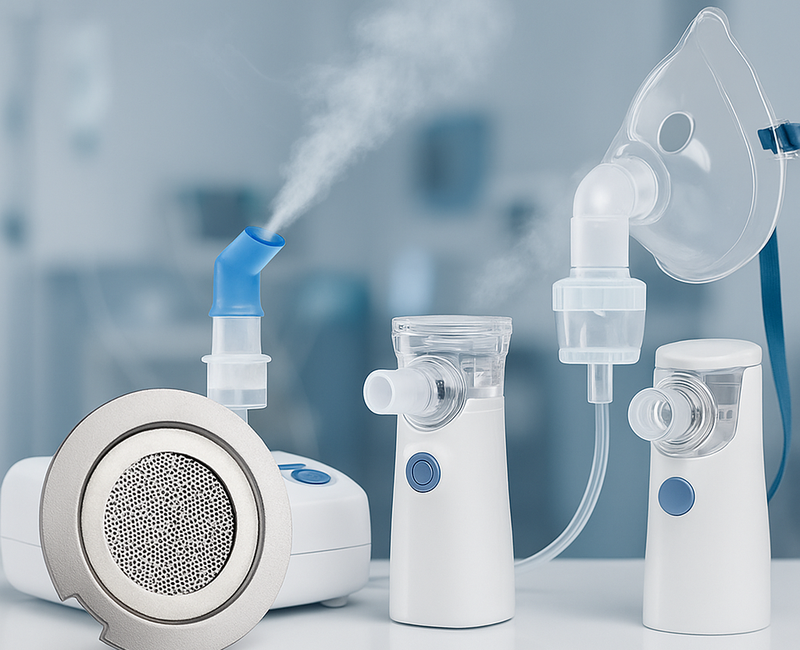
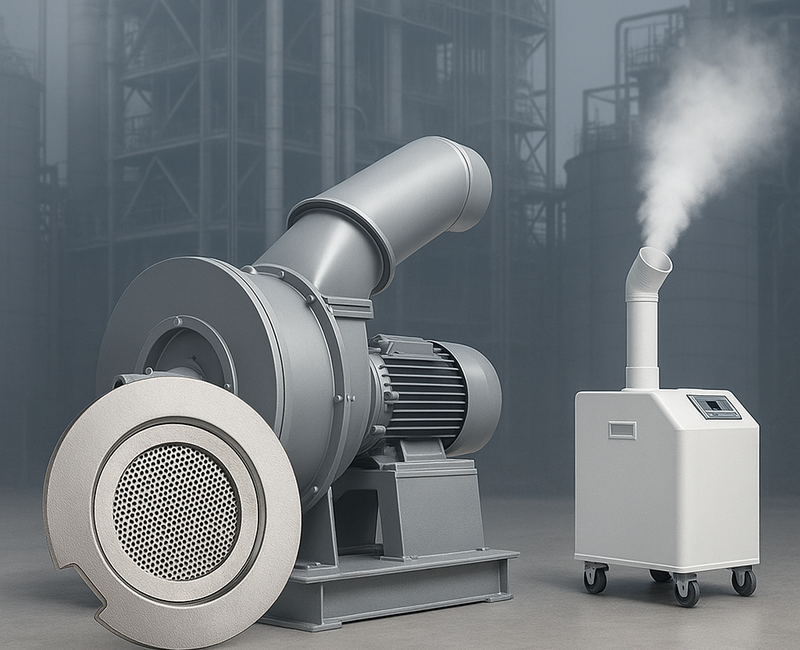
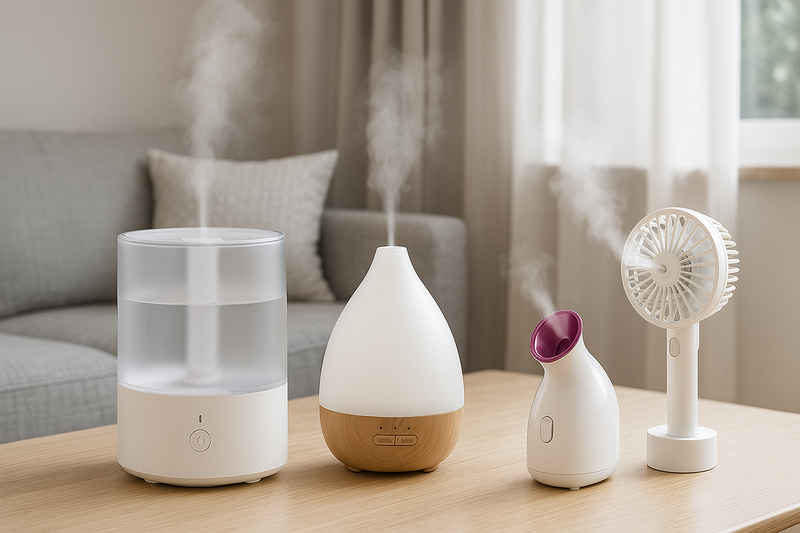
An ultrasonic atomizer uses a piezoelectric transducer to generate high-frequency vibrations that break liquid into a fine mist. It offers stable and efficient atomization and is widely used in humidifiers, aroma diffusers, medical nebulizers, and other misting applications.
How do I choose the right atomizer?
It depends on your application. For medical or pharmaceutical use, select smaller particle sizes (2–5 µm). For home humidifiers or aroma diffusers, 5–10 µm is usually ideal. Contact us if you need guidance.
Are your atomizers safe for medical devices?
Yes, certain models are designed for medical use with strict particle-size control. Please verify product specifications and regulatory compliance in your region.
What particle size (droplet size) do your ultrasonic atomizers produce?
Droplet size varies by model and operating conditions. Typical mist particle sizes range from a few microns to tens of microns. Please refer to the specification sheet for exact values.
What is the flow rate of your ultrasonic atomizers?
Flow rates depend on the model. Ultrasonic atomizers typically support medium-to-high output and can reach dozens of ml/min. Please refer to each product’s specification sheet for exact values.
What liquids can be used with ultrasonic atomizers?
Ultrasonic atomizers work best with water-based liquids. Compatibility depends on viscosity, surface tension, and whether the liquid contains oils or particles. Please check each product’s recommended liquid range in the specification sheet.
How long is the lifespan of an ultrasonic atomizer?
Lifespan depends on working conditions such as liquid type, duty cycle, operating power, and maintenance. Please refer to the product specification or contact us for guidance based on your application.
What power supply is required?
Power requirements vary by model. Please check the product specification for rated voltage, frequency, and power. Using the correct driver/power supply is important for stable atomization.